‘lay on, Macduff’ | ‘lead on, Macduff’
from Shakespeare’s ‘Macbeth’—1814 ‘lay on, Macduff’: go ahead (and give it your best try)—1855 misquotation ‘lead on, Macduff’: let’s get going, start us off
Read More
“ad fontes!”
from Shakespeare’s ‘Macbeth’—1814 ‘lay on, Macduff’: go ahead (and give it your best try)—1855 misquotation ‘lead on, Macduff’: let’s get going, start us off
Read Moreto come to the point—in Shakespeare’s ‘Hamlet’, the title role urges an actor to go straight to Hecuba’s reaction to her husband’s killing
Read Morea break with traditional values—at a performance of Anthony and Cleopatra, a Victorian lady allegedly contrasted Queen Victoria’s homelife to Cleopatra’s
Read MoreUK, 1842—theatre: a long pause during the delivery of a speech—refers to the English actor William Macready (1793-1873), who was given to making long pauses
Read More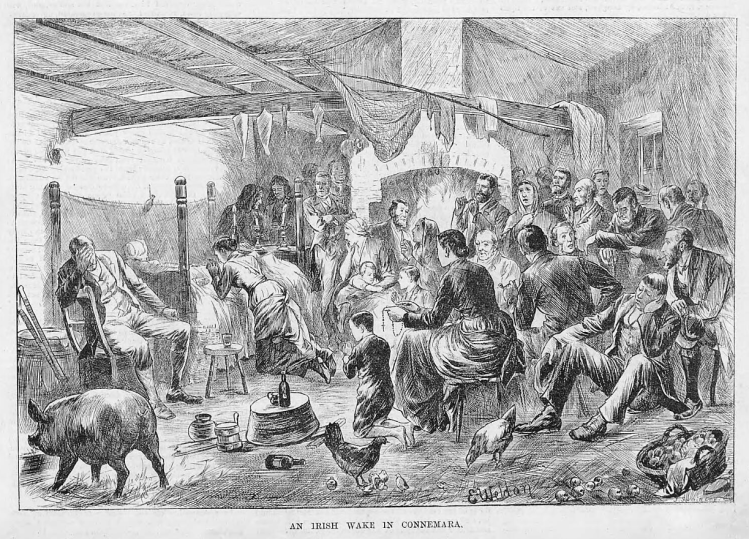
1844—various senses, especially ‘hither and thither’ and ‘lavishly’—from the custom of sharing snuff during a vigil held beside the body of someone who has died
Read More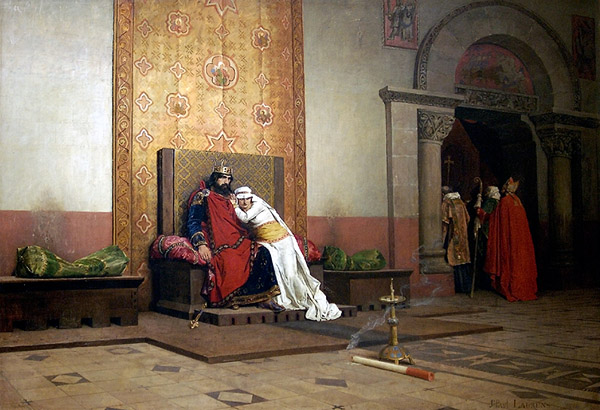
14th century—a form of excommunication from the Catholic Church—by extension any process of condemnation carried out thoroughly
Read More
an extremely beautiful woman—alludes to the description of Helen of Troy in Christopher Marlowe’s ‘Doctor Faustus’—has given rise to countless adaptations
Read More
a man and woman in the act of copulation—English: earliest in Shakespeare’s Othello—perhaps a calque of French: earliest in Rabelais’s Gargantua (1542)
Read MoreUK, 1829—a pejorative appellation of the lower classes by the middle and upper classes, although apparently appropriated by the lower classes
Read Moreconfused activity and uproar—alludes to the frequent collocation of ‘alarum’ and ‘excursion’ in stage directions in Shakespearean drama
Read More word histories