meaning and origin of the phrase ‘alarums and excursions’
confused activity and uproar—alludes to the frequent collocation of ‘alarum’ and ‘excursion’ in stage directions in Shakespearean drama
Read More
“ad fontes!”
confused activity and uproar—alludes to the frequent collocation of ‘alarum’ and ‘excursion’ in stage directions in Shakespearean drama
Read MoreScotland, 1749—from the idea of daring to grab a lion’s “beard” and figurative uses of ‘beard’: (verb) ‘confront’ – (noun) ‘face’
Read MoreUSA, 1797—alludes to legendary outlaw Robin Hood—’barn’ (metaphor for the country as supply of food) was applied to any large space
Read More1868, but late 16th century as ‘care [= disquiet] killed a cat’—the image is perhaps that disquiet would exhaust the nine lives allotted to a cat
Read More
to be sensible and intelligent—1784 in a US publication, but attributed to “a gentleman from abroad”—‘blue’, meaningless fanciful intensive, sometimes before ‘beans’
Read More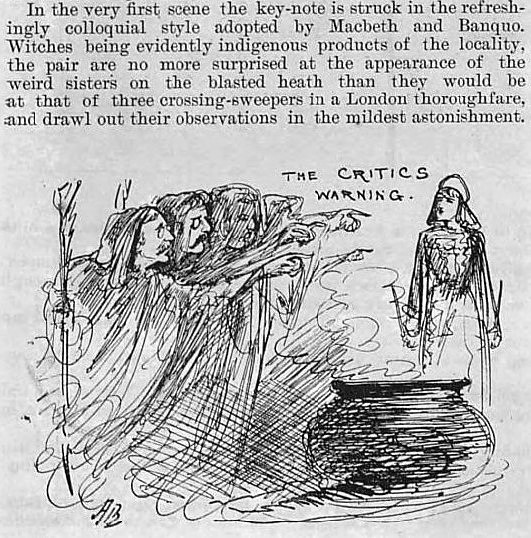
early 20th century—according to theatrical superstition, ‘Macbeth’ is a very unlucky play—the origin of this belief is unknown
Read Moreoriginally a kind of horse chase in which the second horse had to follow the course of the leader, like a flight of wild geese
Read Morepayday—UK, 1831, theatrical slang—from ‘Hamlet’, where Horatio asks the Ghost if he walks because he has “hoorded treasure in the wombe of earth”
Read Moreprimary meaning of ‘boggle’ was ‘to start with fright’, originally with reference to horses—probably related to the nouns ‘bogle’ and ‘bogey’, denoting an evil spirit such as horses are reputed to see
Read More
to be insane—late 19th century—originated in the fact that in 19th-century productions of Shakespeare’s ‘Hamlet’, Ophelia appeared with straws in her hair in her ‘mad scene’
Read More
