‘to go to Lilywhite’s party’: meaning and origin
USA, 1887—of a child: to go to bed—‘Lilywhite’ refers to the whiteness of the bedsheets—from ‘lily-white’, meaning ‘white as a lily’, hence ‘of a pure white’
Read More
“ad fontes!”
USA, 1887—of a child: to go to bed—‘Lilywhite’ refers to the whiteness of the bedsheets—from ‘lily-white’, meaning ‘white as a lily’, hence ‘of a pure white’
Read More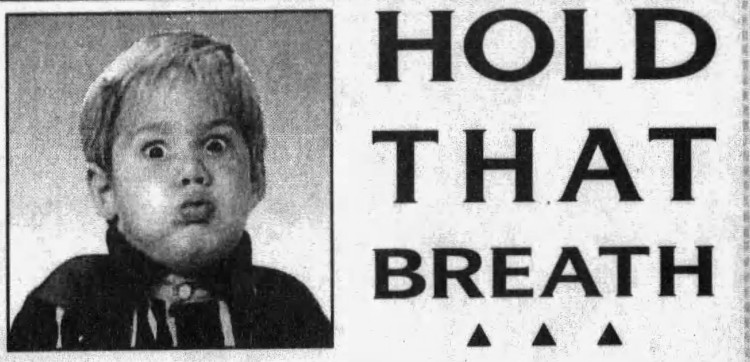
don’t wait in anxious anticipation—USA, 1854—the image is of somebody holding their breath when anxious or excited about something
Read More
used ironically of something regarded as prosaic or even thoroughly vulgar—USA, 1869—‘romance’: romantic love idealised for its purity or beauty
Read More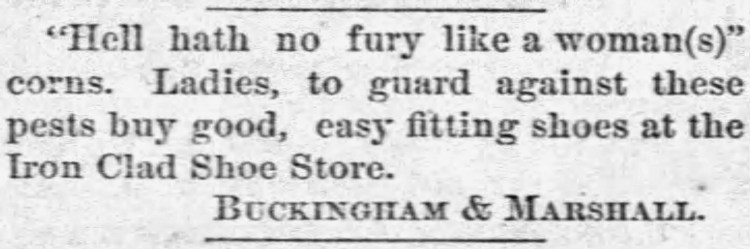
Ireland, 1845: ‘hell has no fury like a woman corned’—puns on ‘hell hath no fury like a woman scorned’, which refers to Congreve’s ‘The Mourning Bride’ (1697)
Read More
USA, 1919—‘spare no expense’—also ‘go all out for it’, ‘hand victory on a platter’, ‘allow yourself more of what you want’ (South Africa)
Read More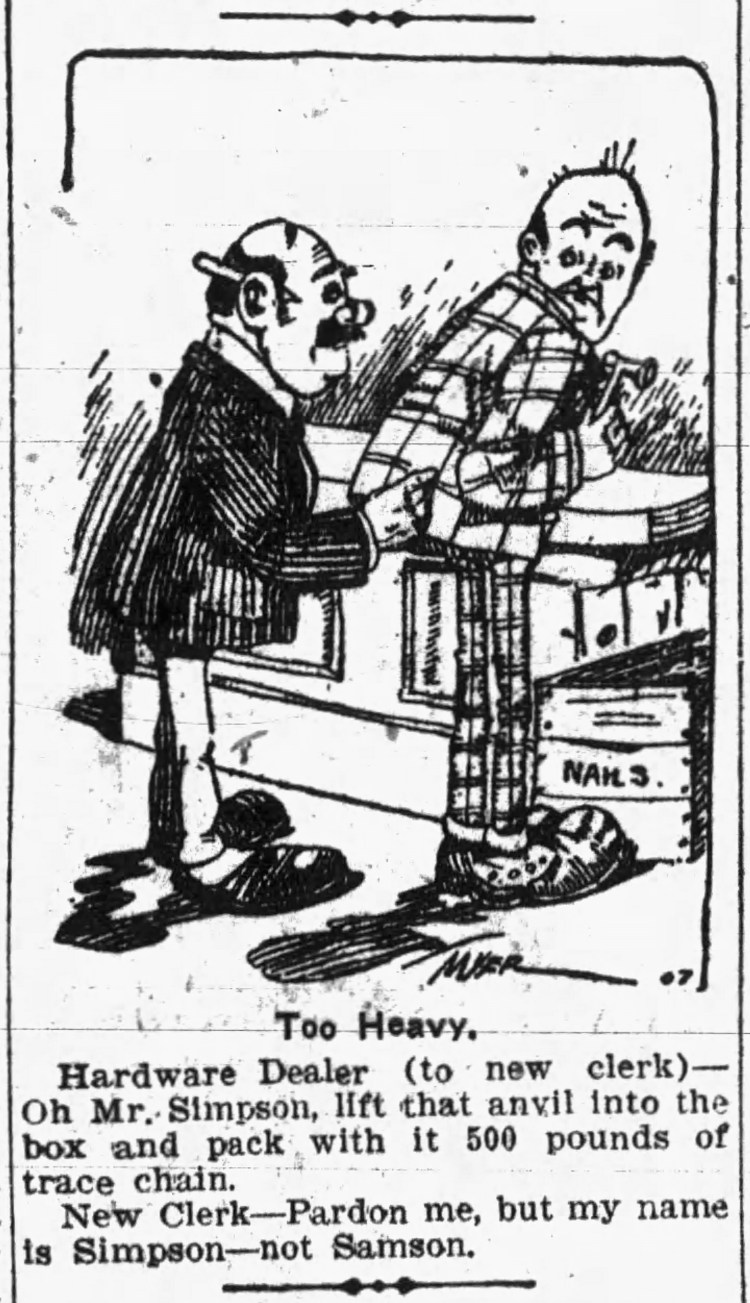
UK, 1906—used by a workman asked to lift too heavy an object—‘Simpson’ chosen for its similarity with ‘Samson’, the name of a biblical hero of enormous strength
Read More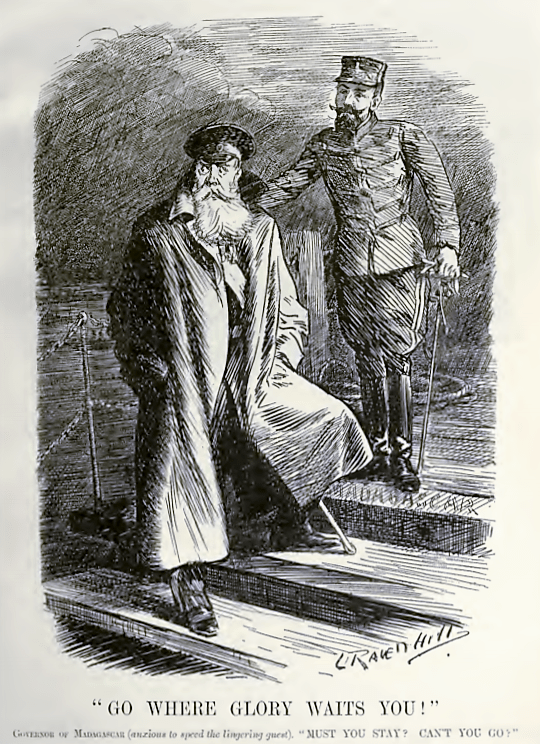
UK, 1897—alteration of ‘must you go? can’t you stay?’ in Collections and Recollections, by G. W. E. Russell—originally used in reference to guests’ departure
Read More
1) a seemingly devout or respectable person who lacks virtue—2) (with a pun on ‘holey’, i.e., full of holes) jocularly applied to holey things such as clothes
Read MoreUK, 1825—the Scots, allegedly verminous, were said to rub themselves against posts erected by the Duke of Argyll and to bless the Duke when doing so
Read More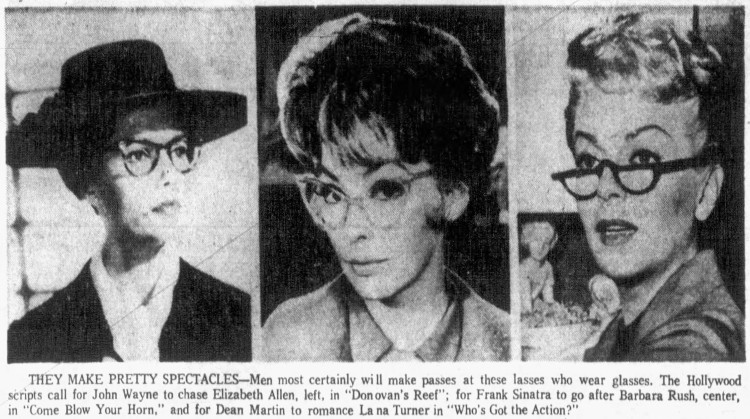
USA—from two-line poem ‘News Item’ (1926), by Dorothy Parker—has given rise to jocular variants, especially playing on ‘glasses’ (eyewear/drinking containers)
Read More word histories