meaning of the phrase ‘awkward turtle’
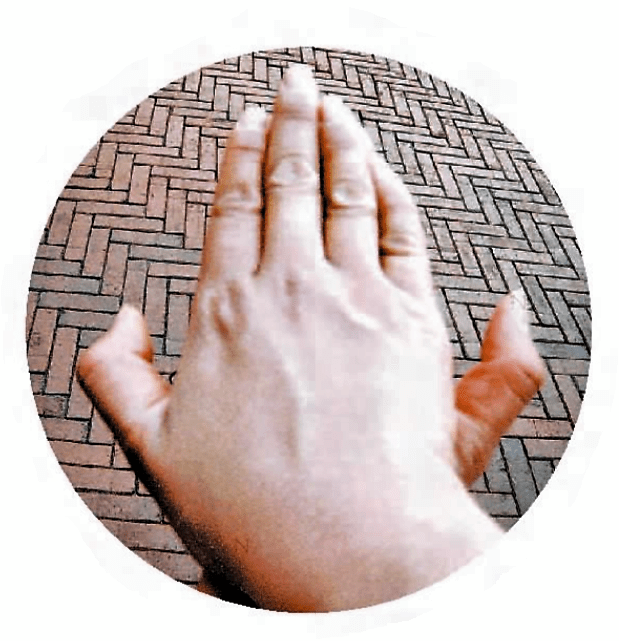
U.S. slang, 2005—a gesture consisting in placing one hand on top of the other and wiggling the thumbs, made to reduce embarrassment
Read More
“ad fontes!”
U.S. slang, 2005—a gesture consisting in placing one hand on top of the other and wiggling the thumbs, made to reduce embarrassment
Read More
used of someone who won’t admit defeat—USA, early 20th century—but used in the late 19th century in reference to physical weakness
Read More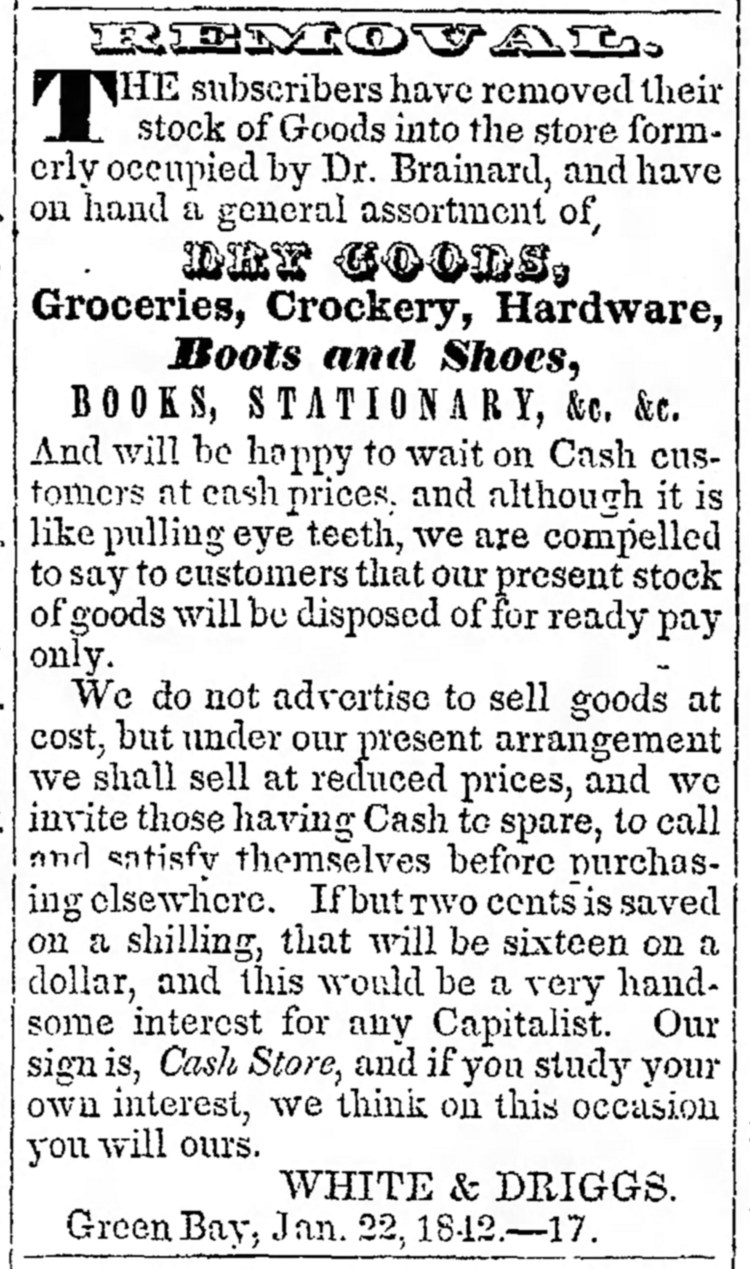
used to convey that something is extremely difficult to do—USA, 1835—also ‘like pulling eyeteeth’, ‘like pulling elephants’ teeth (with a dentist’s forceps)’
Read More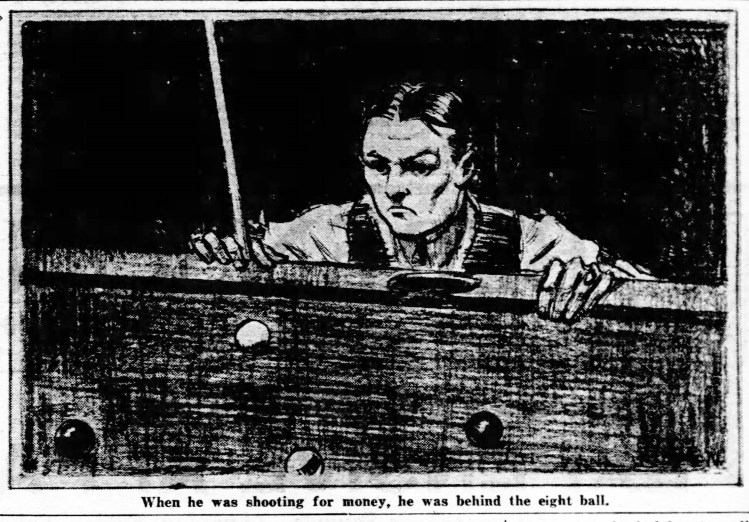
in trouble; at a disadvantage—USA, 1923—refers to a position in a game of pool in which a player cannot make a direct shot at the target ball because the black eight ball obstructs the cue ball
Read MoreUSA, 1938—male-chauvinistic phrase meaning that the place of women is in the home and that their role is to bear children—also ‘pregnant and barefoot(ed)’
Read More
the demand that an extraterrestrial makes to the first human being or animal it encounters after alighting from its flying saucer—USA, 1956—from a cliché in science-fiction stories
Read More
used as a humorous exhortation to a driver (‘James’: generic posh Christian name)—USA—shorter form: late 19th century—extended form: 1911
Read Moresatirical of British insularity (describes Continental Europe as being cut off from the British Isles)—UK 1930, USA 1931—allegedly originated in a newspaper headline, but this is probably apocryphal
Read More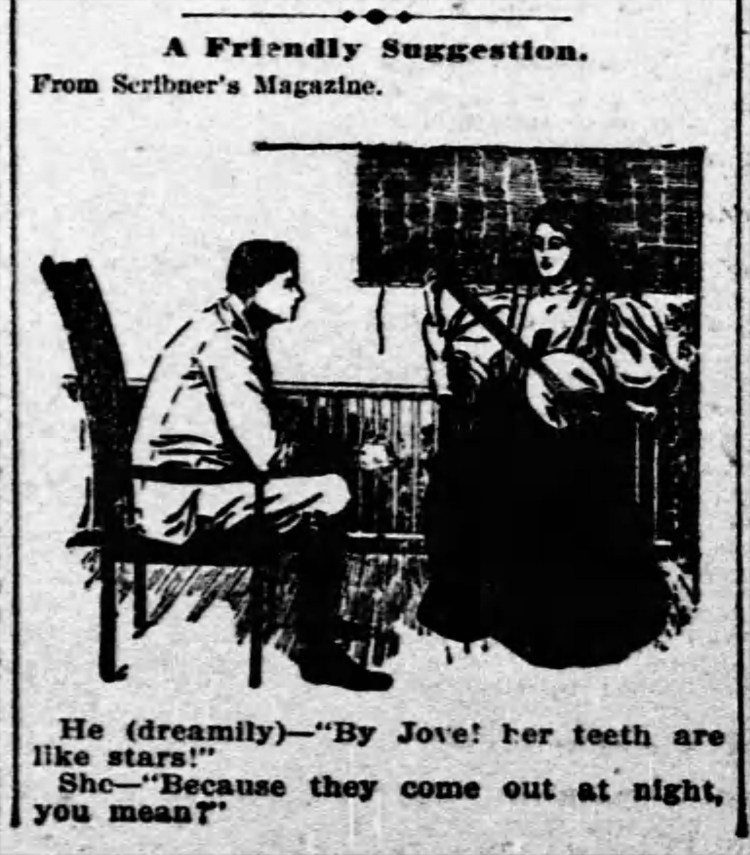
USA, 1893—the phrase ‘teeth like stars’ is applied to false teeth, the image being that they ‘come out’ at night
Read Moreapplied to someone who will drink anything—UK, 1790—from the tale of the sailor(s) who stole spirits from the cask in which a dead Admiral was being preserved for interment in England
Read More word histories