‘La Stupenda’: meaning and origin

the nickname that the Venetian opera audience gave to Joan Sutherland when she sang Handel’s Alcina at the Fenice Theatre on 21 February 1960—Italian ‘è stupenda’ translates as ‘she is stupendous’
Read More
“ad fontes!”
the nickname that the Venetian opera audience gave to Joan Sutherland when she sang Handel’s Alcina at the Fenice Theatre on 21 February 1960—Italian ‘è stupenda’ translates as ‘she is stupendous’
Read Morethe government or its policies viewed as overprotective or as interfering unduly with personal choice; a state characterised as having such a government—first coined in 1952 by U.S. journalist Dorothy Thompson—recoined in 1965 by British politician Iain Macleod
Read MoreUSA, 1975—to be naive, ignorant or gullible—the image is of a country person who has just arrived in town on a turnip truck
Read Moretelevision programmes that are gratuitously shocking or sensational, or of poor quality—from their eliciting in the viewer a similar horrified fascination to that experienced by people watching scenes of cars crashing
Read MoreU.S.—used in reference to several muddy rivers, and, occasionally, to other waterbodies—originally (1890 to 1902) used in reference to the Missouri River
Read More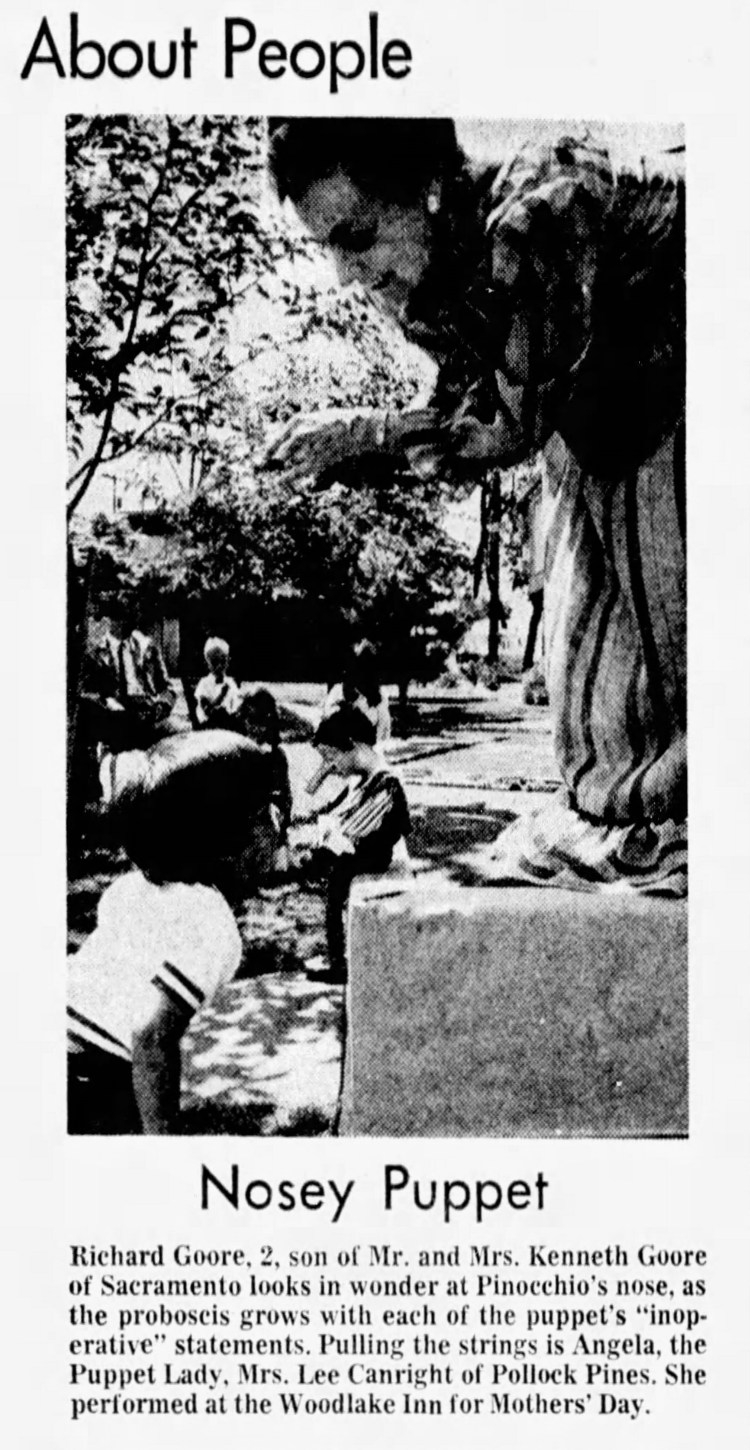
USA, 1973—a euphemism for a lie—coined on 17th June 1973, during the Watergate scandal, by Ronald Lewis Ziegler, President Richard Nixon’s Press Secretary
Read More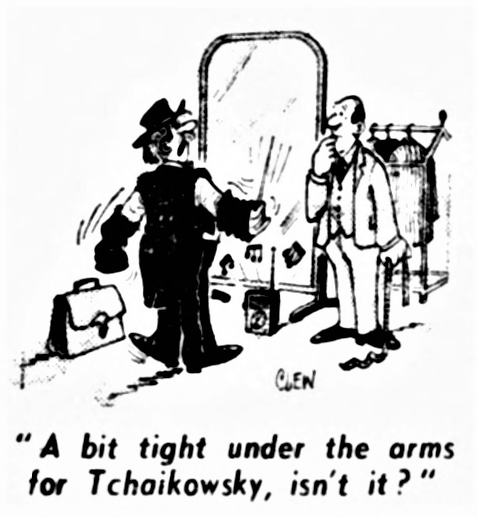
UK and USA, 1908: applied to a pair of trousers much too large for the wearer—later also applied to small cars and to socks much too large for the wearer
Read More
conveys derisive self-congratulation for an action that the speaker has done from a sense of duty rather than for pleasure—from a line uttered by Charles Laughton in the 1933 film The Private Life of Henry VIII
Read Moreused to rebuke an unrealistic conditional—USA, 1808: ‘if my aunt had been my uncle, what would have been her gender?’—France, 1843: ‘si ma tante était un homme, ça serait mon oncle’ (‘if my aunt were a man, that would be my uncle’)
Read More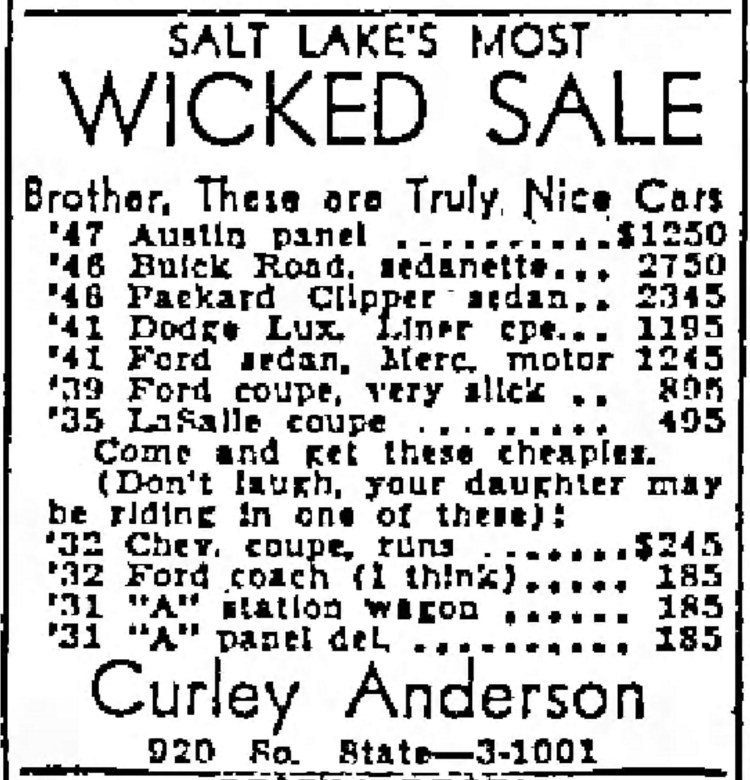
USA, 1938: painted by teenagers on the dilapidated old cars they drove—Australia, 1948: painted on cars, too, but, apparently, not specifically by teenagers—later, on bumper stickers
Read More
