denotes a film, television programme, etc., which adopts the form of a serious documentary in order to satirise its subject—apparently first used (and perhaps coined) in 1952 by the Canadian television producer Ross McLean
USA, 1974—the news media’s practice of giving credence to the other side of an opinion or action in order to seem fair, even though that other side is objectionable
depression suffered by a mother in the period following childbirth—USA, 1940, in Expectant Motherhood, by Nicholson Joseph Eastman—variant: ‘after-the-baby blues’ (USA, 1940)
originally used in 1940 in reference to refuse collection—came to be used in 1970 in reference to the recycling of waste materials—then in 1971 in reference to the practice of looking through the garbage of celebrities
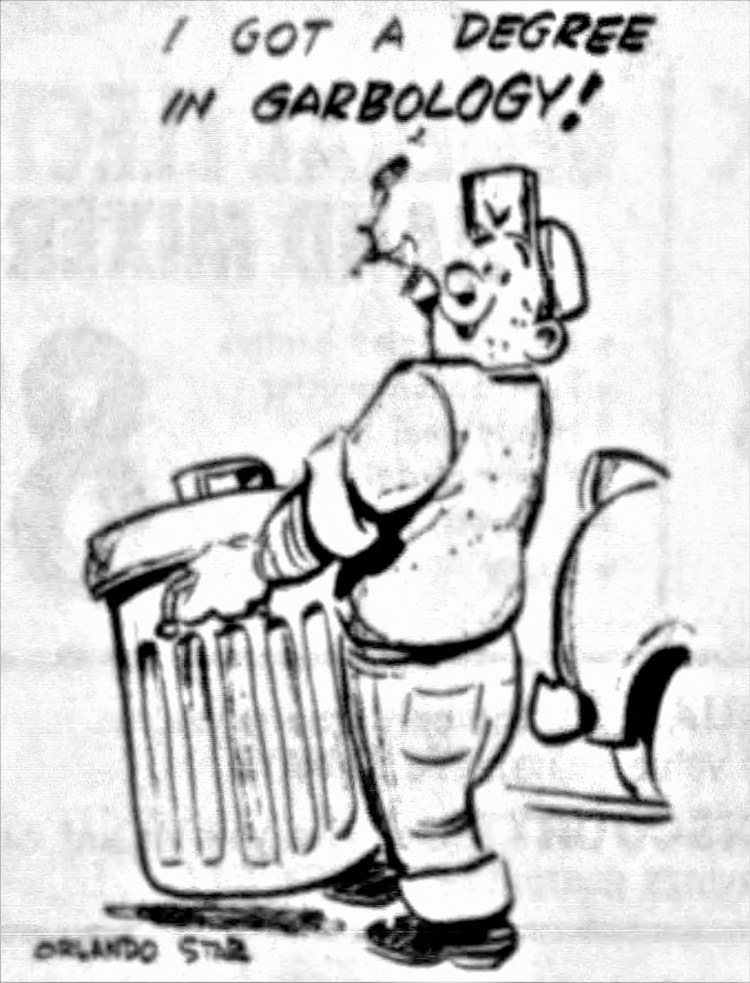
the collection of domestic refuse—USA, 1965—from ‘garb-’ in ‘garbage’, and the combining form ‘-ology’—two oddities: UK, 1914, obscure sense (from ‘garb’, i.e., clothing), and USA, 1944, in the sense of silly terminology
a person whose job is to collect domestic refuse—also, an expert in the treatment of refuse—USA, 1946—from ‘garb-’ in ‘garbage’, and the combining form ‘-ologist’
personifies the winter season as an army commander, especially in reference to winter as detrimental or destructive to a military campaign—UK, 1777, in reference to the War of American Independence
18th century—used humorously and ironically to denote old news, usually with the implication that the person whom the speaker is referring to is simply stating the obvious or restating a well-worn or accepted truth

 word histories