genetically modified food—but had been used earlier by members of Weight Watchers in the sense of food one is addicted to—in reference to ‘Frankenstein; Or, The Modern Prometheus’ (1818), by Mary Shelley
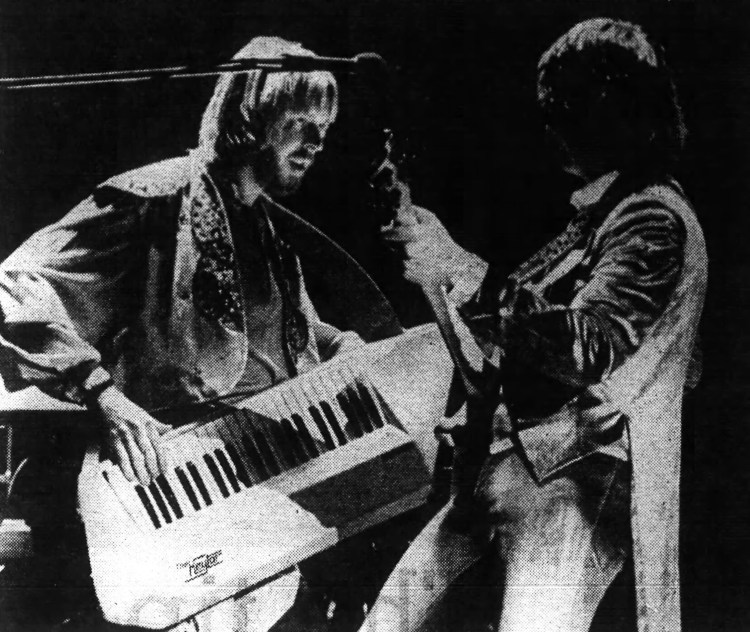
a synthesizer designed to be held in the manner of a guitar, with one hand playing a keyboard while the other operates controls on an extended handle—USA, 1979—from ‘key-’ in ‘keyboard’ and ‘-tar’ in ‘guitar’
a factor speculatively included in a hypothesis or calculation, especially to account for some unquantified but significant phenomenon or to ensure a desired result—USA, 1947
to set someone thinking very hard or seriously, to give someone much food for thought—UK, 1889—loan translation from French ‘donner furieusement à penser’
the only option worth considering—USA, 1904—from the story (1894) of a man who is so addicted to faro that he takes part in a game despite knowing it to be rigged, because it is the only game available in town
USA—(1957) of computer data: incorrect or poor-quality input will produce faulty output—also applied (1964) to processes likened to computerised data processing
expresses indignation, disbelief or amazement—USA, 1818—expanded form of the exclamation ‘ye gods’—perhaps a reference to the miracle of the loaves and fishes fed to the five thousand in the gospel of Matthew
used of something impossible to obtain or achieve—1796—the image is of an illusory quest for the treasure supposed to lie where the rainbow appears to touch the ground

 word histories