‘To sell down the river’ originated in the history of American slavery.

This phrase originated in the history of American slavery: the river was the Mississippi and down implied the transfer of slaves from north to south.
Read More
“ad fontes!”
This phrase originated in the history of American slavery: the river was the Mississippi and down implied the transfer of slaves from north to south.
Read More
‘merrythought’, late 16th century— the forked bone between the neck and breast of a bird—so called from its resemblance to a woman’s external genitals
Read More
‘to pull the wool over someone’s eyes’, US, 1830s—perhaps from sheep farming: the hair that grows around a sheep’s eyes can get into them and blind the animal.
Read More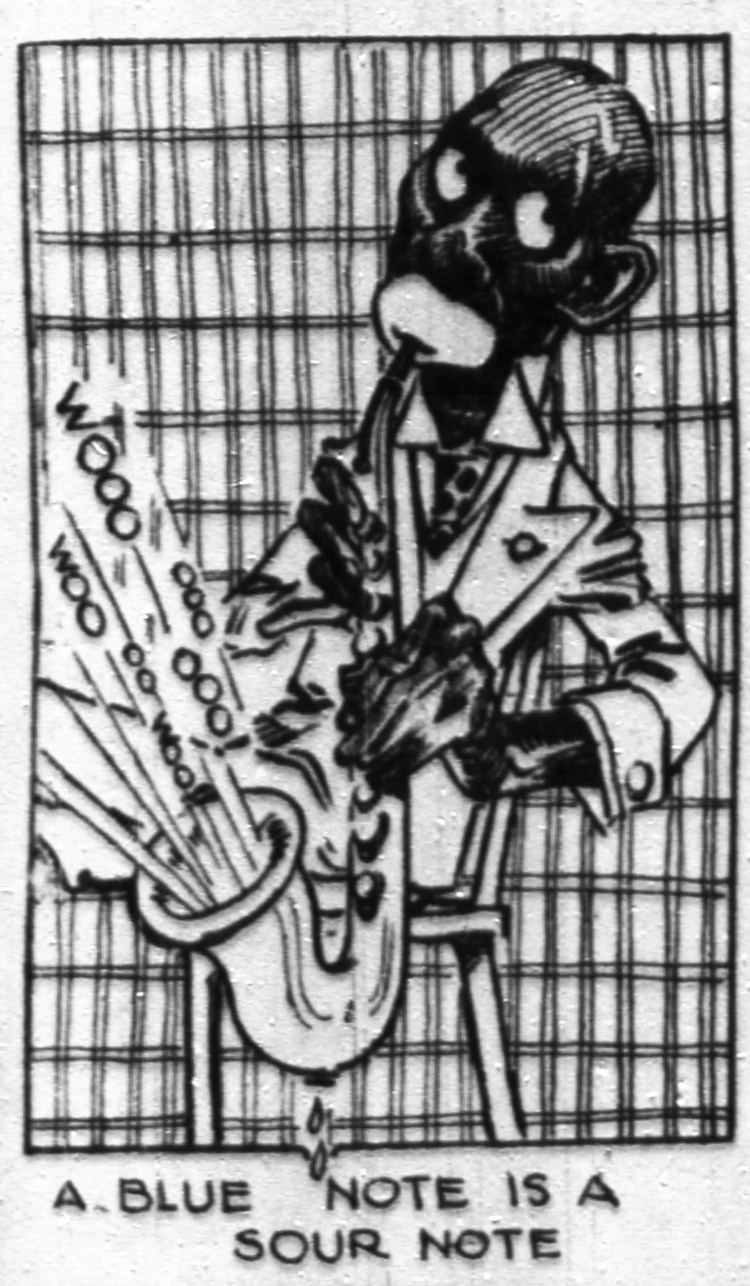
‘blues’—from ‘blue’ (‘sorrowful’) and elliptically from ‘blue devils’ (‘depression’)—originally a metaphorical use of ‘blue’ (‘bruised’), as in ‘black and blue’
Read More
used by Abraham Lincoln to indicate that he was renominated for President because the Republicans did not want to take a risk during the American Civil War
Read More
‘pin-up’—US, 1941, in ‘pin-up girl’, denoting a woman being the subject of a picture that a serviceman displays on a locker-door, on a wall, etc.
Read Moreearly 19th century—shortening of ‘to turn the deaf ear and the blind eye’ and variants
Read More
a game in which the player who has the role of Tom Tiddler defends his territory against the others, who try to steal his money—hence a source of easy money
Read More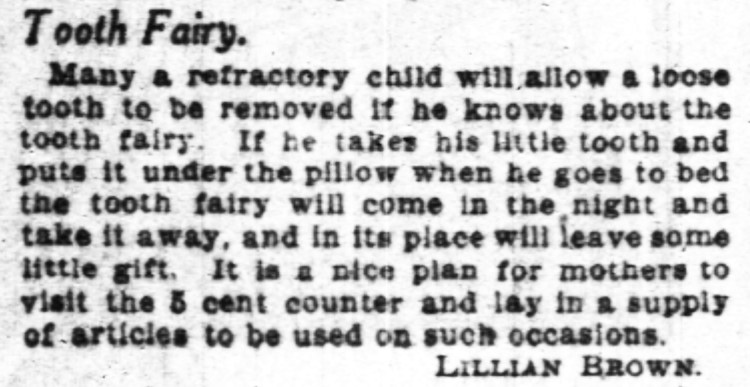
‘tooth fairy’—USA, 1908: a fairy believed by children to take away milk teeth and leave a small sum of money or a small gift under the child’s pillow
Read More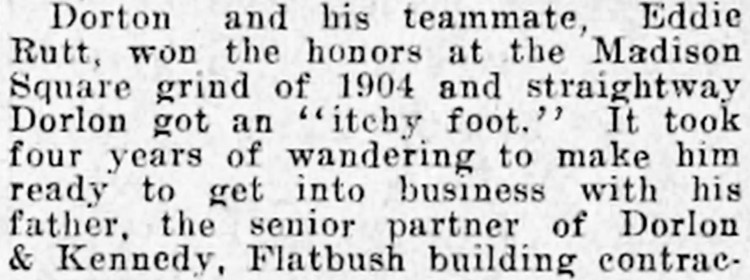
As qualifiers of nouns denoting bodily organs, ‘itchy’ and ‘itching’ denote a restless desire—‘itchy feet’, US, 1900s—‘itching palm’, Shakespeare, circa 1599
Read More word histories