origin of ‘to be born with a silver spoon in one’s mouth’
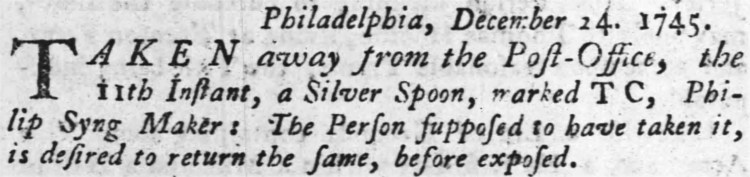
alludes to the gift of a spoon to a child at its christening—1762 as ‘one man is born with a silver spoon in his mouth, and another with a wooden ladle’
Read More
“ad fontes!”
alludes to the gift of a spoon to a child at its christening—1762 as ‘one man is born with a silver spoon in his mouth, and another with a wooden ladle’
Read More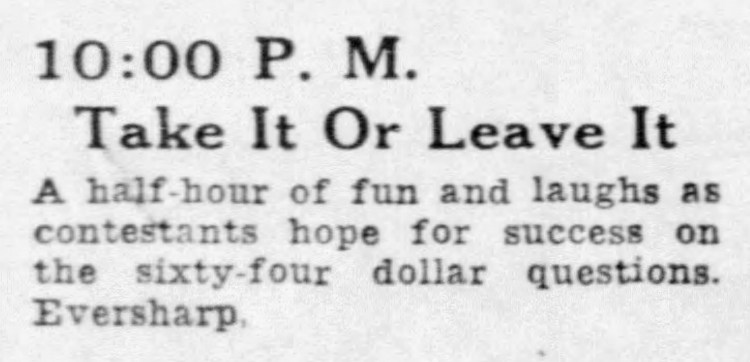
US, 1941—originated in ‘Take It or Leave It’, a radio quiz for a prize of sixty-four dollars—developed to ‘sixty-four thousand dollar question’ as early as 1943
Read More‘the rough end of the pineapple’: harsh or unfair treatment—said to be an Australian phrase, but may have originated in the USA in the mid-20th century
Read More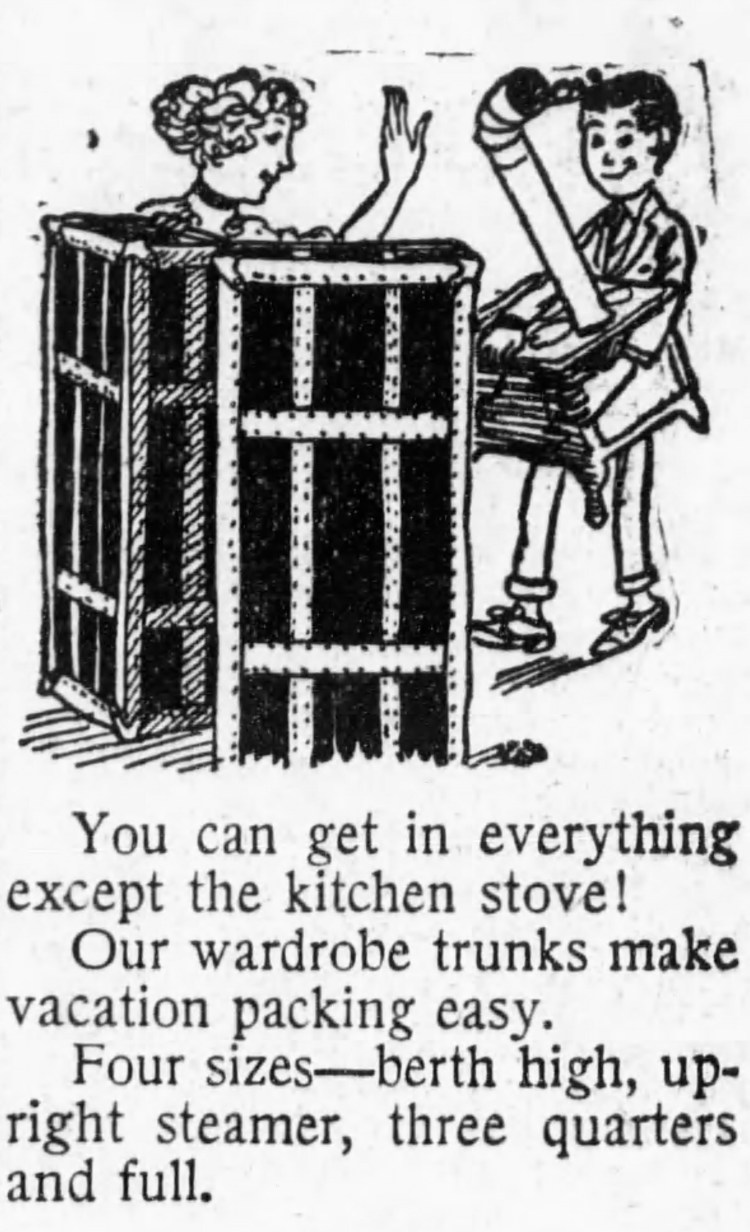
The phrase ‘everything but the kitchen sink’, or ‘the kitchen stove’, and variants mean ‘practically everything imaginable’—origin: USA, early 20th century
Read More
original meaning of ‘kidnap’, late 17th century—to steal or carry off children or others in order to provide servants or labourers for the American plantations
Read More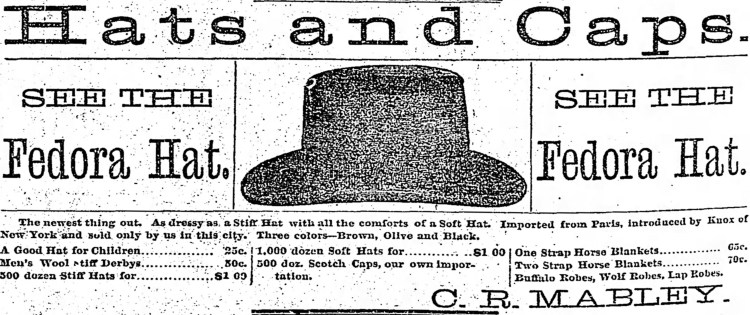
US, 1883—from the craze generated by ‘Fédora’, an 1882 drama by Victorien Sardou and the name of its heroine, played in early productions by Sarah Bernhardt
Read Moreto get credit or money by using a fraudulent financial instrument; to send an illicit or secret note; to find out in what direction affairs are tending
Read More
19th century, northern England—apparently a variant of ‘geck’, of Germanic origin, meaning ‘a fool’, ‘a dupe’, ‘an oaf’
Read More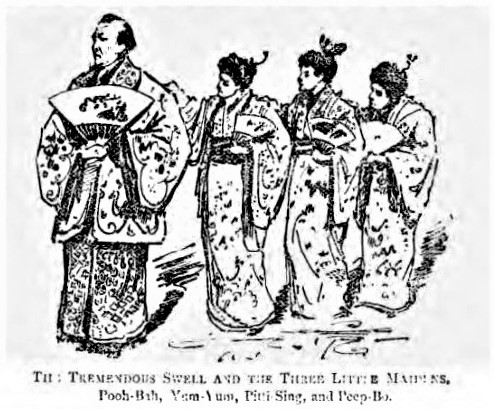
from the name of a character who holds many high offices in ‘The Mikado’ (1885), an operetta by Gilbert and Sullivan
Read More
obsession—from Dickens’s ‘David Copperfield’, in which Mr. Dick is unable to write his memoirs because of the intrusive image of King Charles the First’s head
Read More word histories
