The phrase ‘footloose and fancy-free’ means ‘not committed or tied to anyone or anything’—it appeared in the 1860s only, in U.S. political contexts, although each of its elements dates from the 17th century.
USA, 1917 (with ‘footie’): to touch somebody’s foot lightly with one’s own foot, especially under a table, as a playful expression of romantic interest—hence also, figuratively: to have underhanded dealings with somebody
used to convey that something is unvaryingly familiar or drearily predictable—first recorded (USA, 1963) as the title of a song by Roger Kellaway, American jazz pianist and composer
USA, 1910s—originated in horse racing: ‘under wraps’ is used of a horse that the rider is holding back and intentionally keeping from running at top speed—not from the wrapping placed over newly developed machines before their official launch
USA, 1930—‘to crawl, or to come, out of the woodwork’: of an unpleasant or unwelcome person or thing, to come out of hiding, to emerge from obscurity; the image is of vermin or insects crawling out of crevices or other hidden places in a building
USA—‘apple polisher’ (1918): a person who curries favour with a superior; ‘apple polishing’ (1926): (an instance of) currying favour—with reference to the former practice of bringing a shiny apple as a gift to one’s teacher
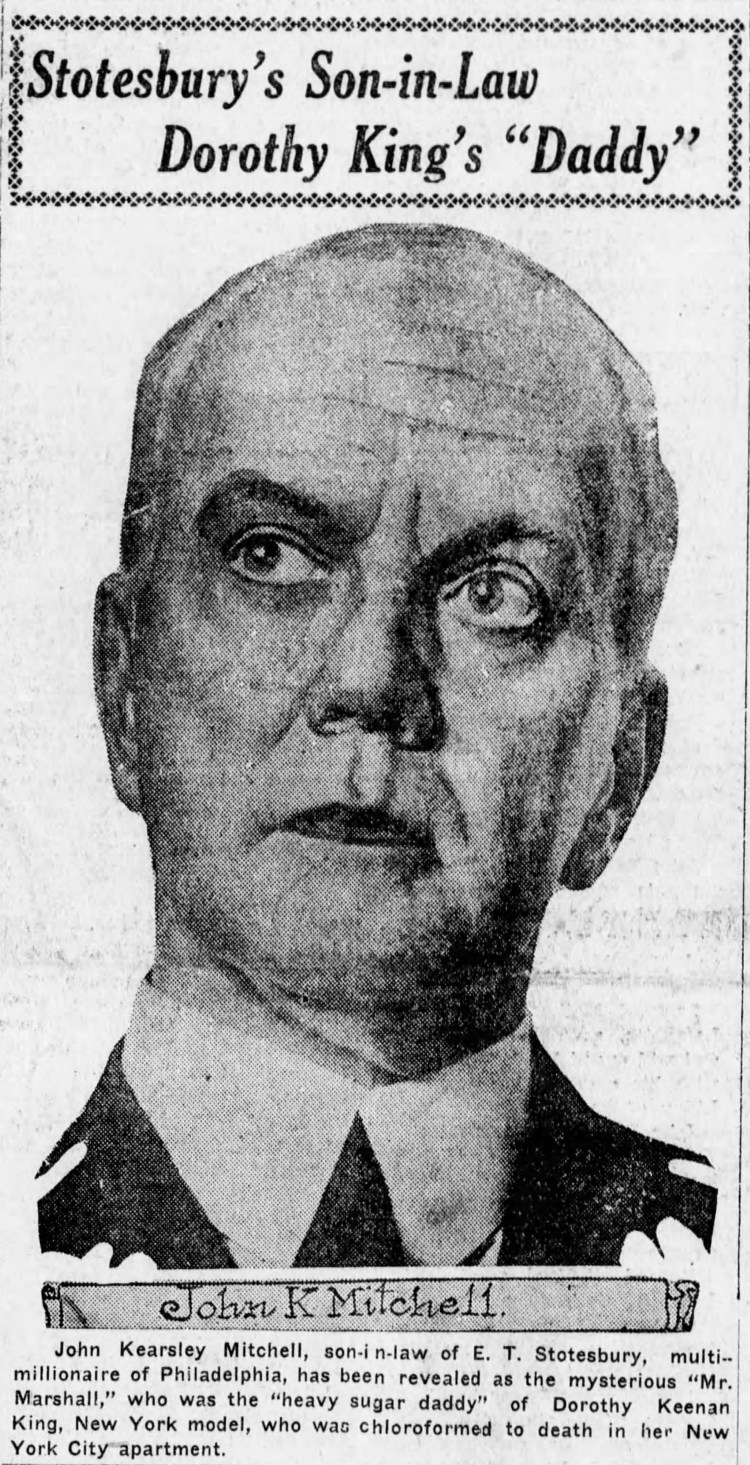
from ‘heavy-sugar daddy’ (USA, 1923), popularised by the murder of Anna Keenan (a.k.a. Dorothy King), who was a ‘heavy-sugar baby’, i.e., a woman ‘coated’ with ‘sugar’ (i.e., money) by a ‘daddy’ (i.e., an older man)
USA, 1911—‘to be decent’: ‘to be sufficiently clothed to see visitors’; often as a coy or jocular enquiry ‘are you decent?’—originated in the question asked when knocking at the door of an actor’s or actress’s dressing room in a theatre
first recorded in the United Kingdom in 1914, with reference to the civilizational implication of the German invasion of Belgium at the beginning of World War One; therefore, not first used by Orson Welles in Citizen Kane (1941)
USA—‘to go Dutch’ (1907): to have every participant pay their own expenses, or share expenses equally—via ‘to go Dutch treat’ (1887), from ‘Dutch treat’ (1873): a meal, etc., at which each participant pays their share of the expenses—from a German practice