the Roman origin of ‘Punic faith’
from Latin ‘Pūnica fidēs’, literally ‘Phoenician faith’, meaning ‘perfidy’, with reference to Carthage, the enemy of Rome over several centuries
Read More
“ad fontes!”
from Latin ‘Pūnica fidēs’, literally ‘Phoenician faith’, meaning ‘perfidy’, with reference to Carthage, the enemy of Rome over several centuries
Read More
UK, 1972—‘XXXX’: a euphemistic substitute for a four-letter swear word, usually ‘fuck’—it did not originally refer to the Australian lager Castlemaine XXXX
Read Morefrom Spanish ‘vamos’, ‘let us go’—first recorded as ‘vamos’ in ‘Every Night Book; or, Life after Dark’ (London, 1827), by the English author William Clarke
Read More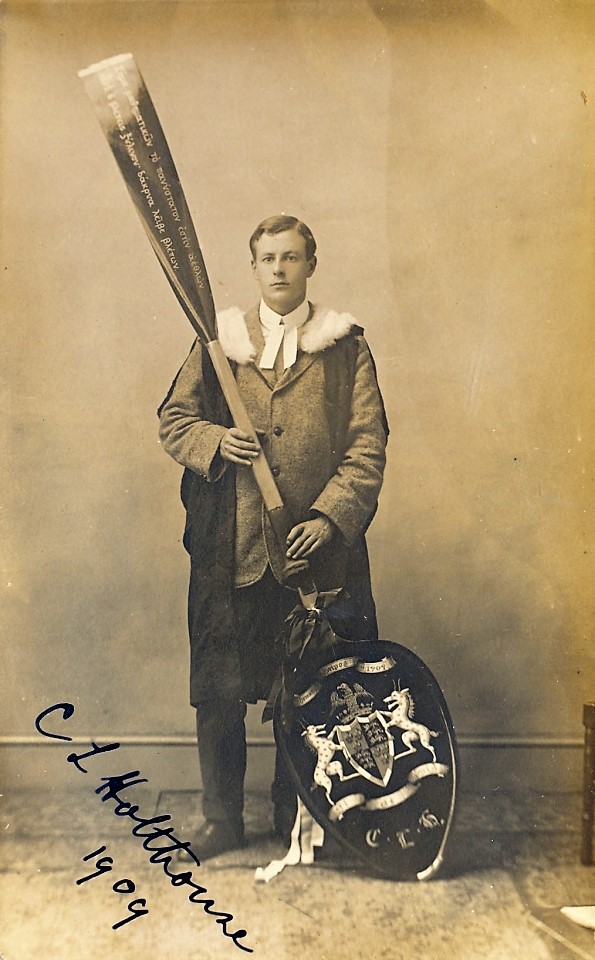
originally, at Cambridge University: oversized wooden spoon given to the candidate coming last in the mathematical tripos (BA-degree final honours examination)
Read More
from ‘Full Fathom Five’, Ariel’s song to Ferdinand in ‘The Tempest’, by Shakespeare, where ‘sea change’ denotes a change brought about by the action of the sea
Read More‘salad days’: days of youthful inexperience—coined by Shakespeare in ‘Antony and Cleopatra’—alludes to the raw (green and cold) vegetables used in a salad
Read Morefrom ‘Don’t Bogart That Joint’ (1968), song by Fraternity of Man—alludes to the way Humphrey Bogart held a cigarette for long dialogues without smoking it
Read More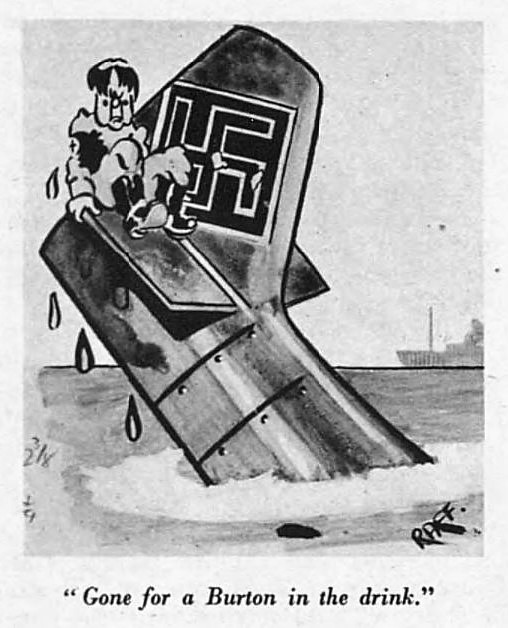
to meet with disaster; to be ruined, destroyed or killed—UK, 1941, RAF slang: (of an airman) to be killed—perhaps from ‘to go for a drink (of Burton ale)’
Read Morefirst recorded in ‘As You Like It’, by Shakespeare—from the former practice of hanging a branch or bunch of ivy as a vintner’s sign in front of a tavern
Read More
‘take the cake’ (US, 1839) alludes probably to cake as the prize in a contest, but maybe not to cakewalk—‘take the biscuit’ (US, 1879) used in British English
Read More word histories