‘God slot’: meaning and origin
UK, 1970—colloquial expression denoting a period in a broadcasting schedule regularly reserved for religious programmes
Read More
“ad fontes!”
UK, 1970—colloquial expression denoting a period in a broadcasting schedule regularly reserved for religious programmes
Read More
UK, 1969—a young man of a working-class subculture, characterised by close-cropped hair, heavy boots and functional clothing, and behaving in an aggressive or violent way—‘bovver’ represents a nonstandard pronunciation of ‘bother’
Read Moreto refuse to face up to unpleasant or awkward realities—refers to the practice traditionally attributed to the ostrich of thrusting its head into the sand when being overtaken by pursuers, supposedly through an incapacity to distinguish between seeing and being seen
Read More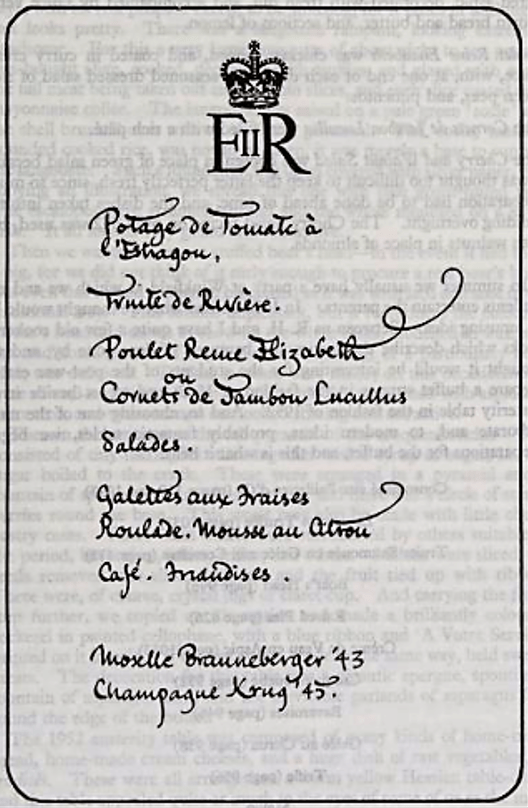
a dish of cold cooked chicken served in a mild creamy curry sauce—so named because created for a lunch held to mark the coronation of Queen Elizabeth II in June 1953, at which it was called ‘Poulet Reine Elizabeth’—also USA, April 1953: a dish created when the Poultry and Egg National Board organised Coronation Chicken Day
Read MoreUK, 1872—meaning: ‘it would be good if something (stated or implied) were true or likely, but it is not’
Read More‘Auntie’: familiarly used to denote a publication, an institution, etc., which is considered to be conservative or staid in style or outlook, or, alternatively, which is viewed with affection—especially applied, in Britain, to the London newspaper The Times and to the BBC
Read More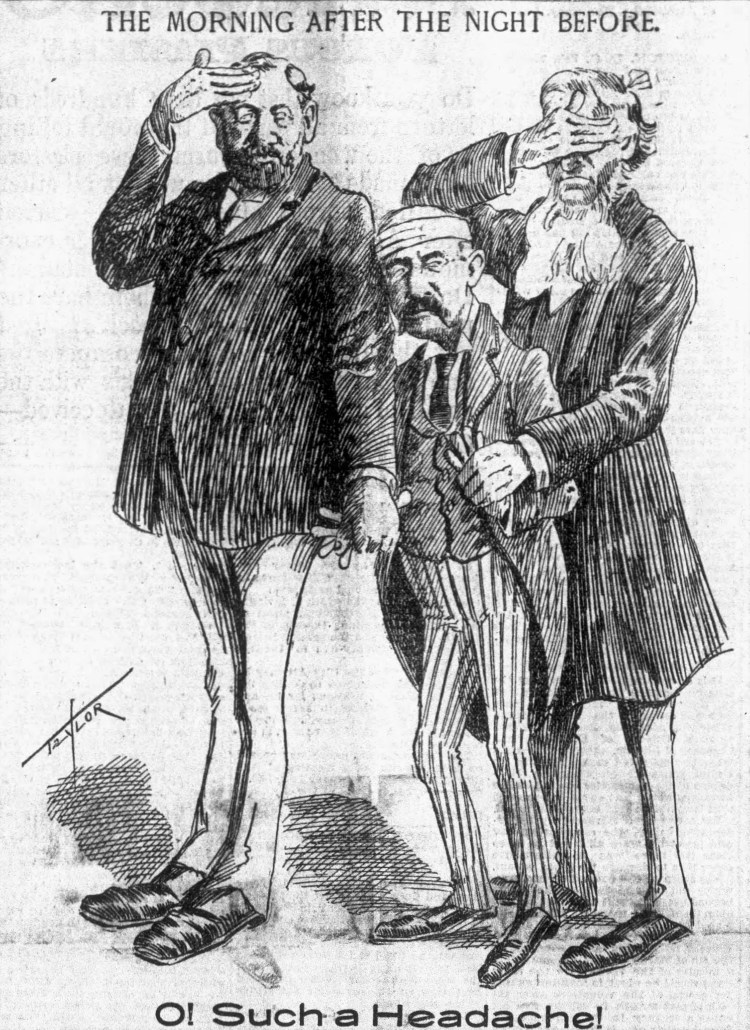
UK, 1860—the morning after an evening of drinking, when one has a hangover—in extended use: the morning after any night of excessive revelry
Read More1607, as ‘as snug as pigs in pease-straw’—especially in ‘(as) snug as a bug in a rug’, phrases built on the pattern ‘(as) snug as [animal name] (in —)’ mean ‘in an extremely comfortable position or situation’
Read Moreto upset, to overturn—1777—origin unknown—perhaps based on Spanish ‘capuzar’, meaning ‘to sink (a ship) by the head’—or perhaps based on a Provençal compound of ‘cap’, meaning ‘head’
Read More1922—‘like death warmed up’ (also ‘like death warmed over’): extended form of ‘like death’, attested in the mid-17th century and meaning ‘extremely ill’, or ‘exhausted’
Read More word histories