‘kerb-crawl’: meaning and origin
to drive slowly along the edge of a road (UK, 1924)—specifically: with the intention of soliciting people for casual sexual activity (Canada, 1926)
Read More
“ad fontes!”
to drive slowly along the edge of a road (UK, 1924)—specifically: with the intention of soliciting people for casual sexual activity (Canada, 1926)
Read More(of a group) to demonstrate loyalty to the nation or to a cause, especially at a time of perceived threat—UK, 1793, as ‘to rally round the standard’
Read Morea marriage for love, or a romantic relationship, faced with insufficient financial means—UK, 1745
Read Morea fantastical or idealised story, situation, etc., involving romance—USA, 1928—a blend of either the noun ‘romance’ or the adjective ‘romantic’, and of the noun ‘fantasy’
Read Moreof a person or thing: irretrievably defunct or out of date—UK, 1905—perhaps originally in allusion to ‘Diplodocus Carnegii’, named after Andrew Carnegie, who, that year, presented the skeleton of that diplodocus to the Natural History Museum of London
Read More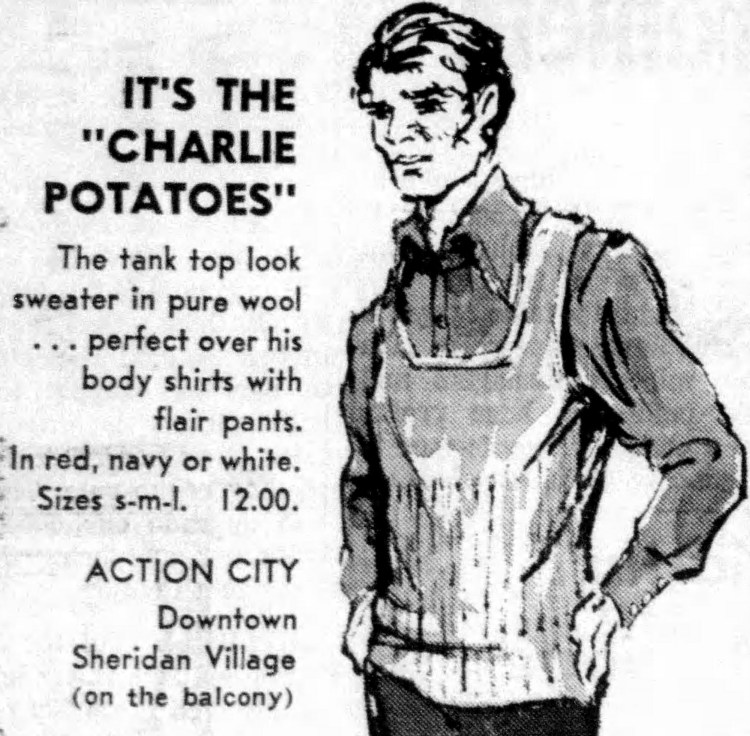
a rich and important man—USA, 1958, as ‘Charlie Potatoes’—UK, 1995, as ‘Charlie Big Potatoes’— ‘Charlie’: generic term for a man—‘potatoes’: perhaps slang for ‘money’, ‘dollars’
Read Moreto make a mess of (something)—UK, 1970—used in reference to the trade-name of a malted milk-powder—perhaps as a euphemism for some crude word
Read Morea person in authority who insists on adhering to rules even at the expense of common sense—1965, in the British pop-music milieu—from ‘job’s worth’ in the phrase ‘to be more than one’s job’s worth’
Read More‘I feel intense dislike or contempt for (a person)’—USA, 1950—also occasionally used of miserliness
Read More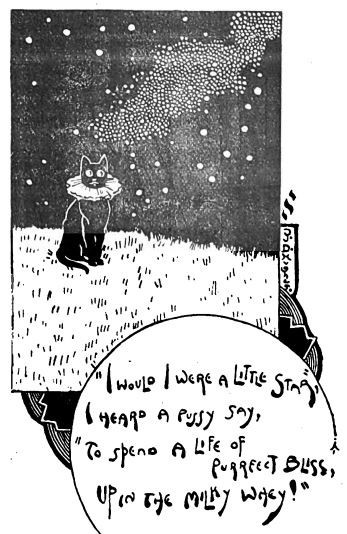
USA, 1876—perfect, especially in cat-related contexts—colloquial, humorous blend of ‘purr’ and ‘perfect’
Read More
