the probable origin of ‘one over the eight’ (‘one drink too many’)
UK, 1919—possibly a mere euphemism for having too much to drink, regardless of the actual number of drinks that have been consumed (‘eight’ probably arbitrary)
Read More
“ad fontes!”
UK, 1919—possibly a mere euphemism for having too much to drink, regardless of the actual number of drinks that have been consumed (‘eight’ probably arbitrary)
Read More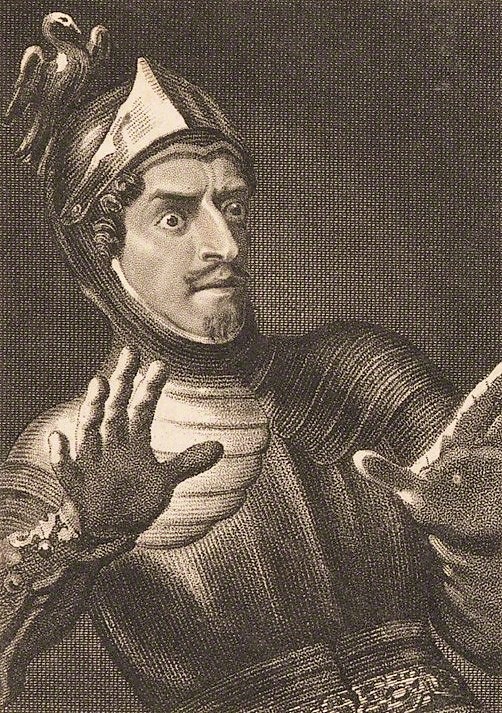
first half of the 18th century—‘clap trap’: a use of language designed to capture (i.e. trap) a theatrical audience’s applause (i.e. clapping)
Read More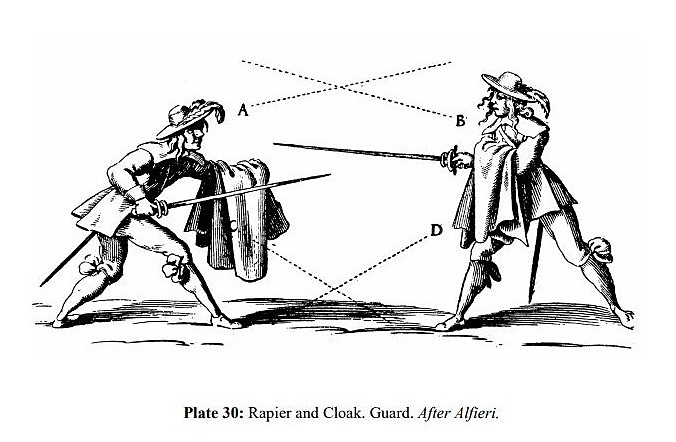
possibly from ‘cloak and sword’, from Spanish ‘(comedia) de capa y espada’, a type of dramas in which the main characters wore cloaks and swords or daggers
Read More
UK, 1972—‘XXXX’: a euphemistic substitute for a four-letter swear word, usually ‘fuck’—it did not originally refer to the Australian lager Castlemaine XXXX
Read More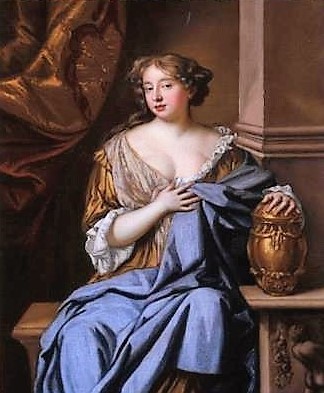
‘miss’: unmarried woman or girl; 17th cent., short for ‘mistress’—‘Ms’: title free of reference to marital status; 20th cent., blend of ‘Mrs’ and ‘Miss’
Read More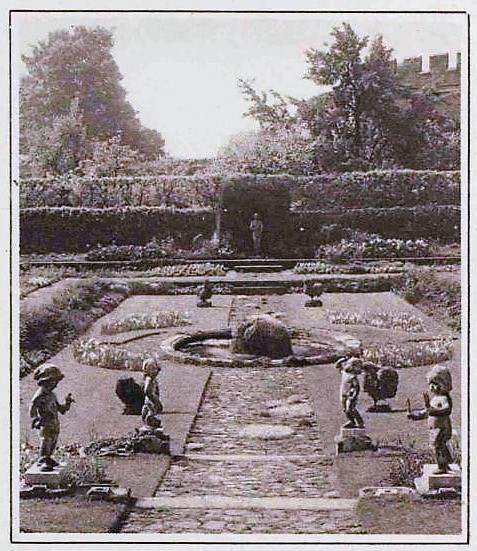
from Speed the Plough (1798), by Thomas Morton; Dame Ashfield is constantly fearing to give occasion for the sneers of Mrs Grundy, her unseen neighbour
Read More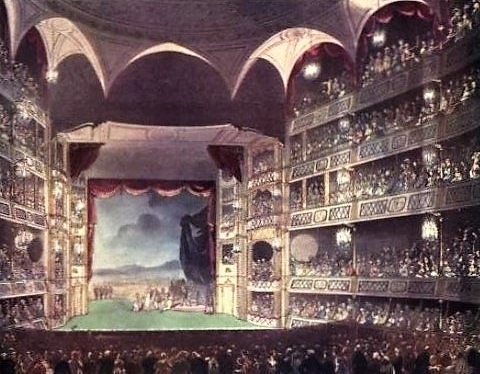
UK, 1784—elaborated on the archaic ‘on the spur’, which meant ‘in great haste’ and referred to the use of spurs to urge a horse forward
Read More
The spelling ‘ache’ (erroneously derived from Greek ‘ákhos’) instead of ‘ake’ is largely due to Samuel Johnson in A Dictionary of the English Language (1755).
Read More
UK, 1826—from the eponymous character played by John Liston in a comedy by John Poole, which premiered at the Haymarket Theatre, London, on 13th September 1825
Read MoreWith words denoting some specified deficiency in a desirable or standard quantity of something, ‘short of a ——’ means ‘mentally deficient’, ‘slightly crazy’.
Read More word histories