‘quoth the raven’: beware of these lodgings

UK, 1899—warning that touring actors wrote in the visitors’ books of low-quality lodgings—alludes to ‘Quoth the raven, “Nevermore.”’ in Edgar Poe’s ‘The Raven’
Read More
“ad fontes!”
UK, 1899—warning that touring actors wrote in the visitors’ books of low-quality lodgings—alludes to ‘Quoth the raven, “Nevermore.”’ in Edgar Poe’s ‘The Raven’
Read MoreUK, 1888—a holiday spent doing the same sort of thing as one does at work—apparently from the busmen’s habit of spending their days off riding on friends’ buses
Read More
UK, 1973—refers to a woman’s breasts as revealed e.g. by a very low-cut dress, or to (the contours of) a woman’s genitals as revealed e.g. by a very short skirt
Read More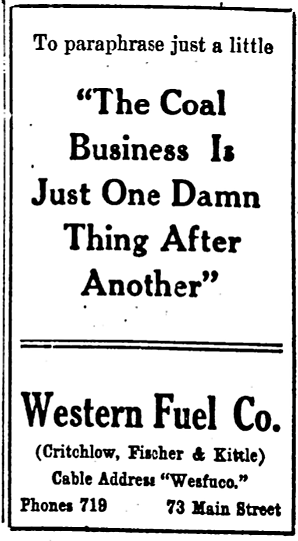
USA, 1909—first with grammatical subject ‘life’, meaning ‘life consists of a succession of unpleasant or unlucky events’—then with other grammatical subjects
Read More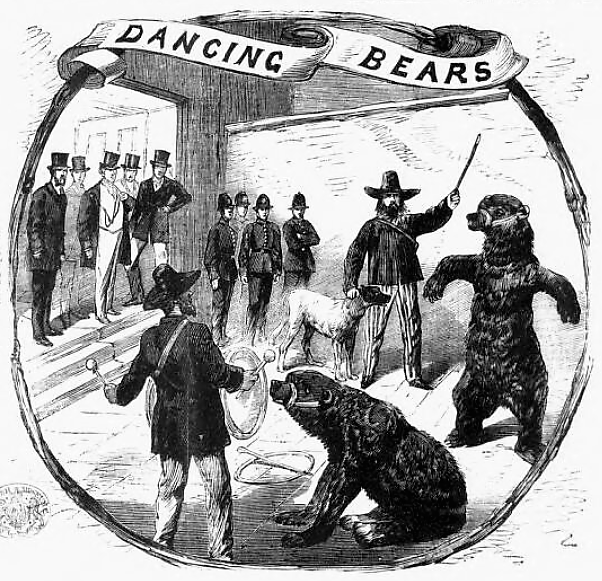
16th century—exclamation of annoyance at the reappearance of someone or something—from bear-leaders’ regular visits or from story of Elisha and the bears
Read More1911—‘Damaged Goods’, translation of ‘Les Avariés’, by French dramatist Eugène Brieux, about the dangers of ignorance concerning sexually transmitted diseases
Read More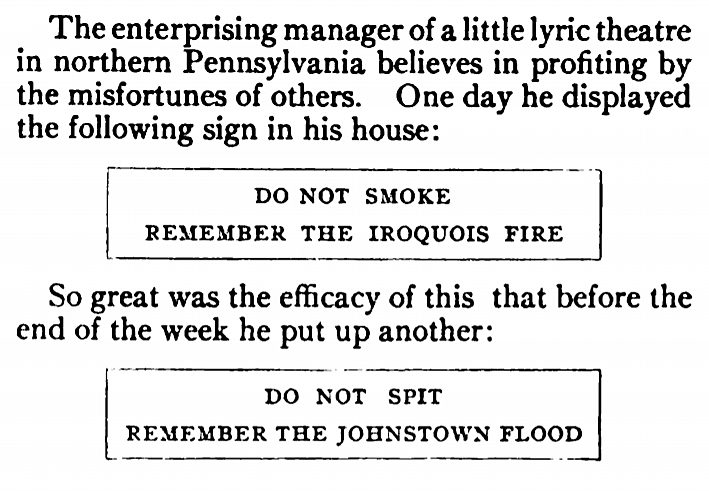
1908—jocular cautionary advice in theatres, saloons, hotels, etc.—refers to the flooding of the town of Johnstown, Pennsylvania, in 1889
Read More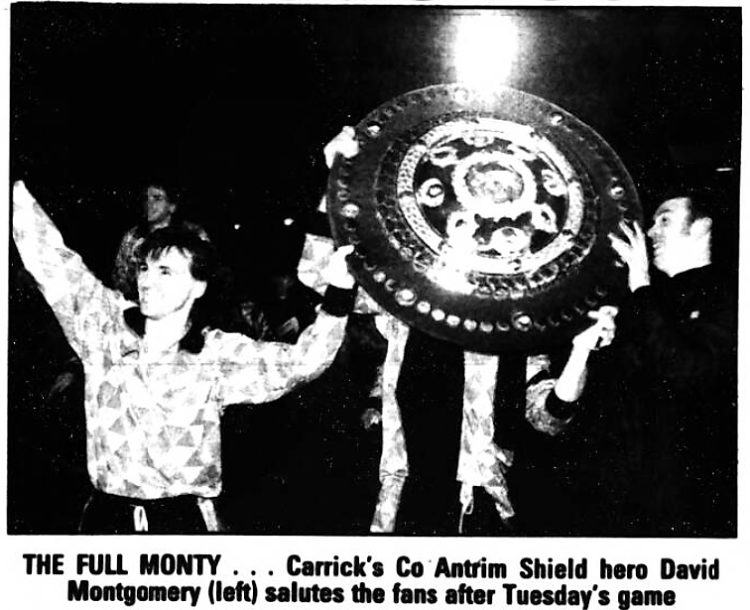
used to mean ‘everything which is necessary, appropriate or possible’, sometimes with punning reference to the British comedy group ‘Monty Python’
Read More
UK, 1899—to comply with someone else’s option—title of a song from musical comedy ‘A Runaway Girl’ (1898) with reference to travel agency Thomas Cook and Son
Read More‘upstairs to bed’—UK, 1923: title of a song by Nixon Grey—‘Bedfordshire’ jocular extension of ‘bed’ (1665)—‘the wooden hill’ metaphor for ‘the stairs’ (1856)
Read More word histories