meaning and origin of the phrase ‘a nod is as good as a wink’
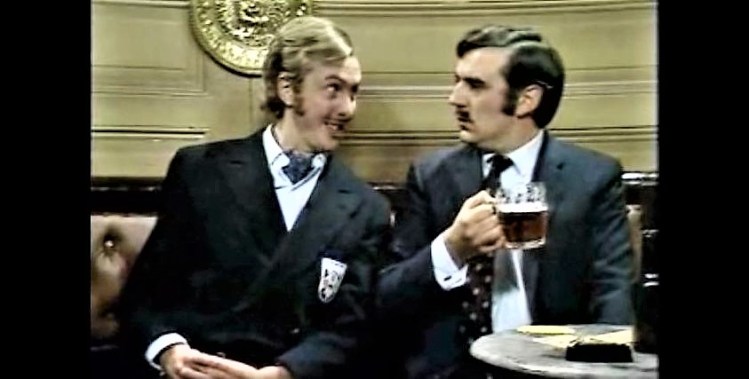
‘a nod’s as good as a wink (to a blind horse)’ 18th century—acknowledges that a hint or suggestion has been understood without the need of further elaboration
Read More
“ad fontes!”
‘a nod’s as good as a wink (to a blind horse)’ 18th century—acknowledges that a hint or suggestion has been understood without the need of further elaboration
Read More
The phrase ‘to have someone’s guts for garters’, used as a hyperbolical threat, is first recorded in the late 16th century.
Read More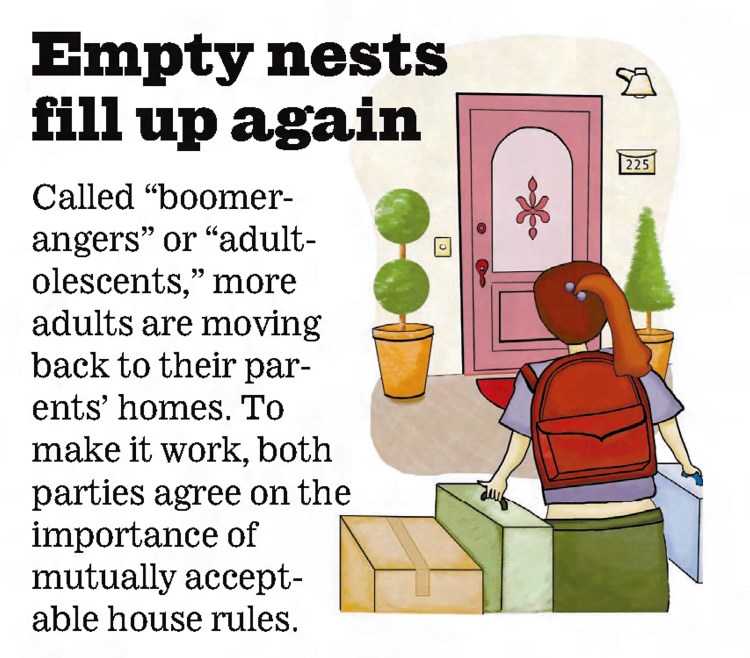
blend of ‘adult’ and ‘adolescent’: adult who has retained the interests, behaviour or lifestyle of adolescence — origin USA, first attested in 1945
Read More
This advertisement for the second season (2014) of comedienne Amy Schumer’s sketch show, Inside Amy Schumer, highlighted both the “hot” and “mess” sides of her personality — photograph: Jamey Welch Creative The primary meanings of the noun mess are a serving of food, a course, a meal, a prepared dish of a specified […]
Read More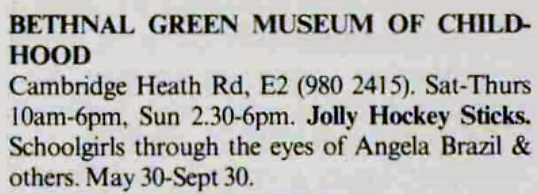
BETHNAL GREEN MUSEUM OF CHILDHOOD Cambridge Heath Rd, E2 (980 2415). Sat-Thurs 10am-6pm, Sun 2.30-6pm. Jolly Hockey Sticks. Schoolgirls through the eyes of Angela Brazil¹ & others. May 30-Sept 30. from The Illustrated London News – May 1984 (¹ Angela Brazil (1868-1947), British author of schoolgirls’ stories) The exclamation jolly hockey stick(s) is […]
Read More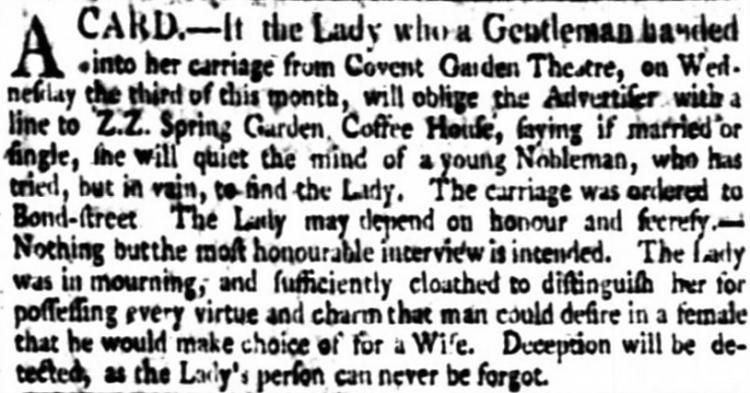
advertisement published in The Times (London) on 18th December 1800: A CARD.—If the Lady who a Gentleman handed into her carriage from Covent Garden Theatre, on Wednesday, the third of this month, will oblige the Advertiser with a line to Z. Z., Spring Garden Coffee House, saying if married or single, she will […]
Read MoreThe primary meaning of the humorous pseudo-French British-English expression nul points is: a score of zero points in the Eurovision Song Contest, in which the points awarded by each country are announced in both English and French. This expression is composed of: – the French adjective nul, meaning no (that is, not one); the choice of […]
Read More
L’astucieuse Viviane était étendue aux pieds de Merlin, by Gustave Doré (1832-1883) from Les Idylles du roi (Paris – 1868), translation of Idylls of the King by Alfred Tennyson The phrase rift in the lute means sign of disharmony between persons, especially the first evidence of a quarrel that may become worse. A rift is a crack in an object, […]
Read More
The proper noun Disgusted (with initial capital D) was originally used as a self-designation by a member of the public writing anonymously to a newspaper in order to express outrage about a particular issue—cf. also meaning and history of ‘to write to The Times about it’. The earliest instance of this noun that I have found is […]
Read MoreThe phrase trick or treat is a traditional formula used at Hallowe’en by children who call on houses threatening to play a trick unless given a treat or present. In early use, the phrase was also tricks or treats, treat or trick, and variants. This phrase seems to have originated in Ontario (capital: Toronto), a province of […]
Read More
