the melodramatic origin of ‘cloak-and-dagger’
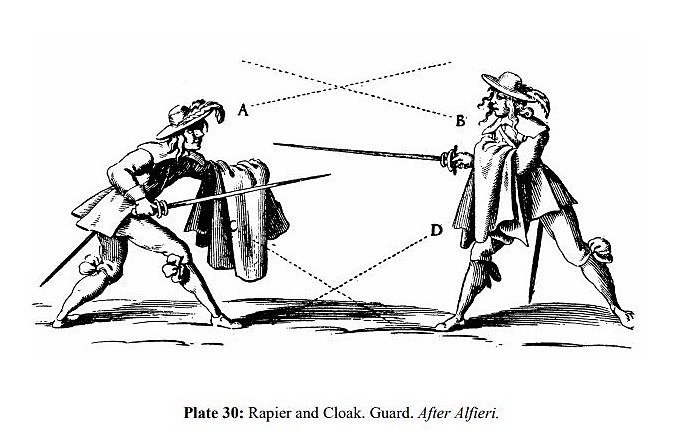
possibly from ‘cloak and sword’, from Spanish ‘(comedia) de capa y espada’, a type of dramas in which the main characters wore cloaks and swords or daggers
Read More
“ad fontes!”
possibly from ‘cloak and sword’, from Spanish ‘(comedia) de capa y espada’, a type of dramas in which the main characters wore cloaks and swords or daggers
Read More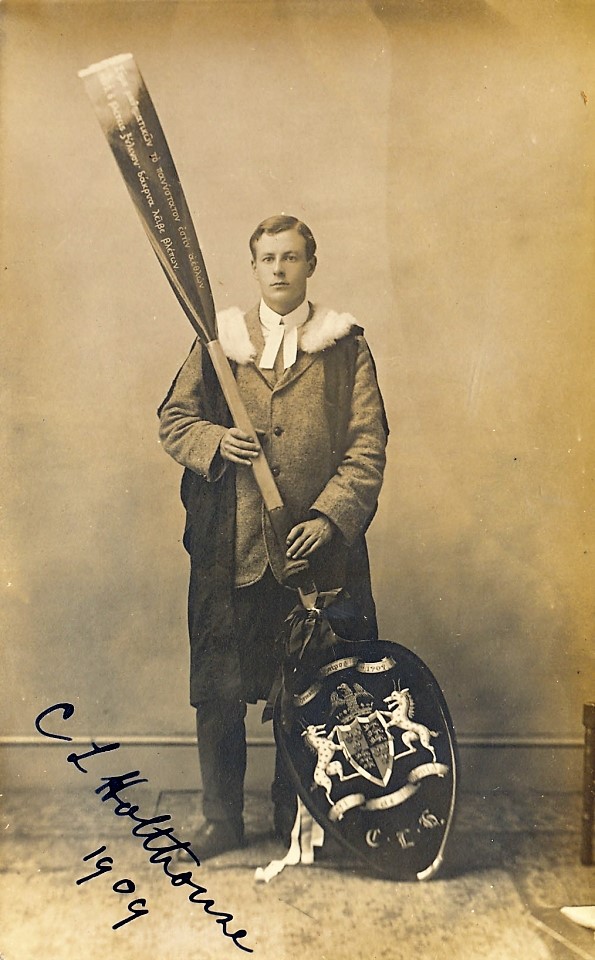
originally, at Cambridge University: oversized wooden spoon given to the candidate coming last in the mathematical tripos (BA-degree final honours examination)
Read More
‘take the cake’ (US, 1839) alludes probably to cake as the prize in a contest, but maybe not to cakewalk—‘take the biscuit’ (US, 1879) used in British English
Read More
in full ‘Quasimodo Sunday’: the Sunday after Easter—from the opening words of the Latin introit for that day, ‘quasimodo geniti infantes’, ‘as newborn babies’
Read MoreUK, 1891—‘to take the mickey (or ‘the mike’) out of’: ‘to tease or ridicule’—probably after ‘Mickey (or ‘Mike’) Bliss’, rhyming slang for ‘piss’
Read More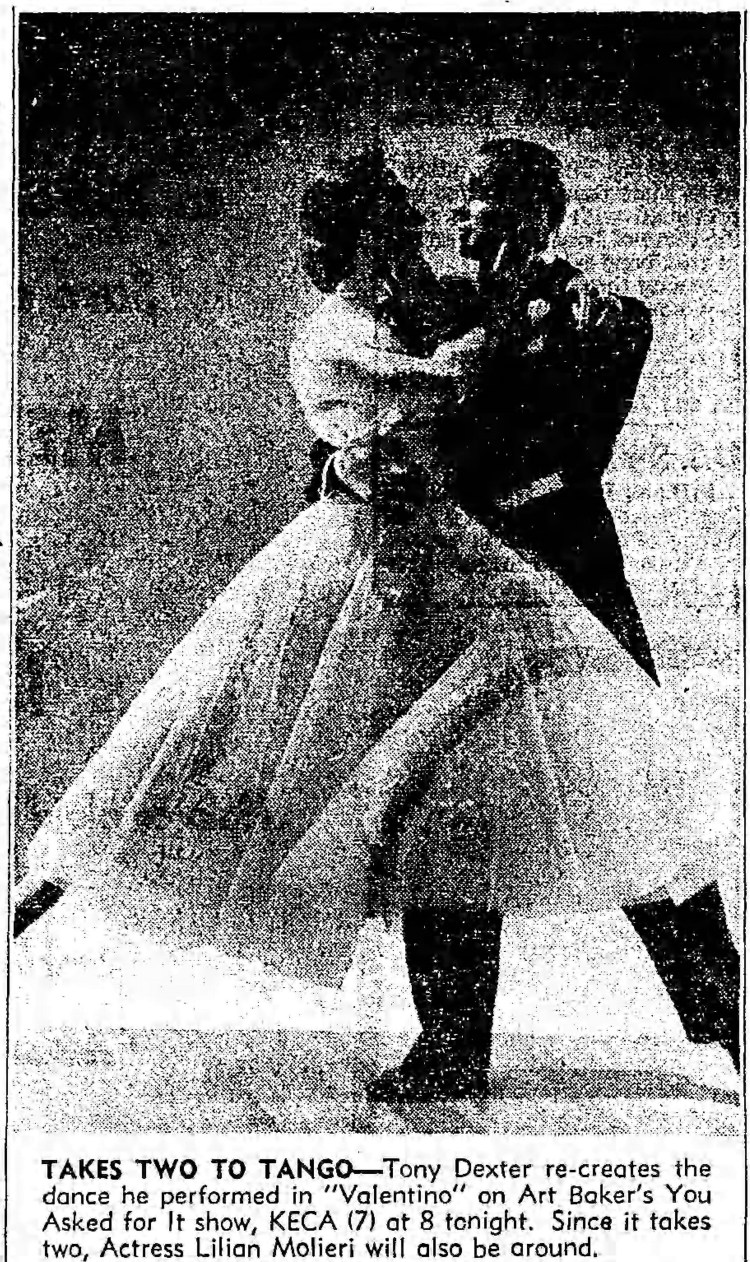
both parties involved in a situation or argument are equally responsible for it—USA, 1952—from ‘Takes Two to Tango’ (1952), a song by Hoffman and Manning
Read More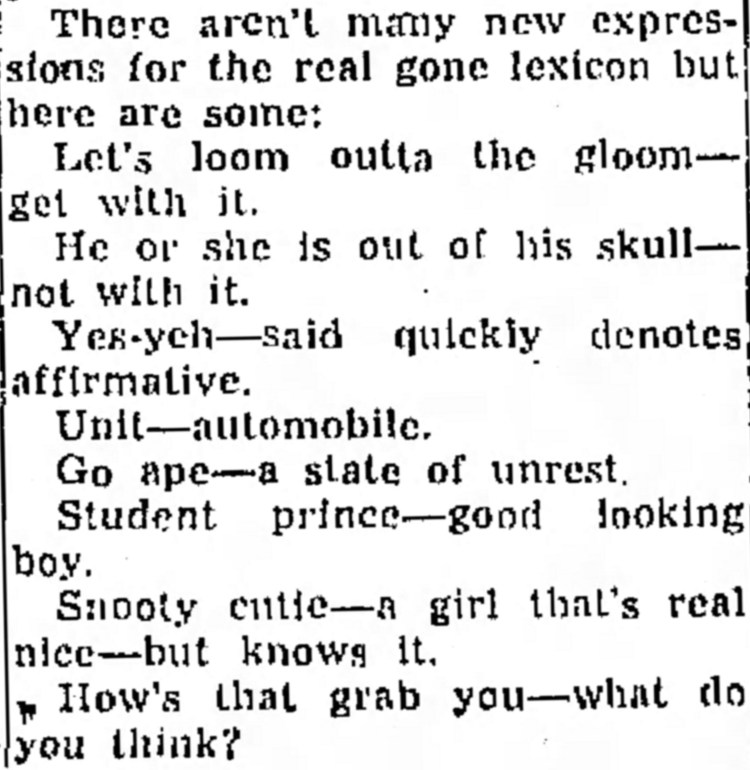
USA—‘not part of a particular exclusive group’, 1955—‘out of one’s mind’, 1958—‘smashed out of one’s skull’ (= ‘drunk’, 1963)—‘bored out of one’s skull’, 1967
Read More‘with minute exactness’—UK, 1693—probably a shortening of synonymous ‘to a tittle’ (1607), ‘tittle’ meaning ‘a small mark used in writing or printing’
Read More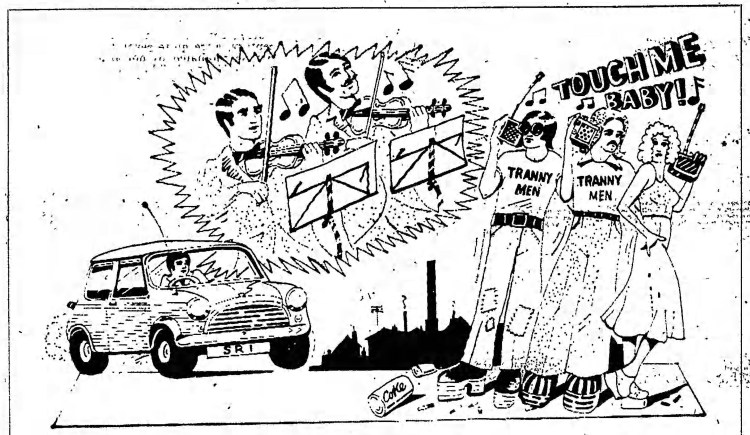
UK, 1971, in graffiti—preceded by a proper or common noun in the singular or plural; used to assert the pre-eminence of a specified person or thing
Read More‘blanket’: from Old-Northern-French and Anglo-Norman forms such as ‘blankete’ (white woollen material), composed of ‘blanc’ (white) and the diminutive suffix ‘-ette’
Read More
