The 1776 French translation of Laurence Sterne’s ‘The Life and Opinions of Tristram Shandy’ gave to French ‘dada’, a child’s noun for ‘horse’, the figurative meaning of ‘favourite pastime’ or ‘pet idea’.
‘baloney’ or ‘boloney’: ‘humbug’ and ‘nonsense’—USA, 1922—American-English alteration of ‘bologna (sausage)’, a large smoked sausage made of seasoned mixed meats, from the name of Bologna, a city in northern Italy, where these sausages were first made
‘queen’s’, or ‘king’s’, ‘cushion’: a seat made by two people who cross arms and hold each other’s hands to form a support for another person—Scotland and northern England, 19th century
UK, early 19th century—an imaginary street where people in difficulties, now especially financial ones, are supposed to reside—urban counterpart of ‘Dicky’s meadow’
19th century—The adverb ‘hands down’ originated in horse racing: a jockey who is winning comfortably is able to lower his hands and relax his hold on the reins.
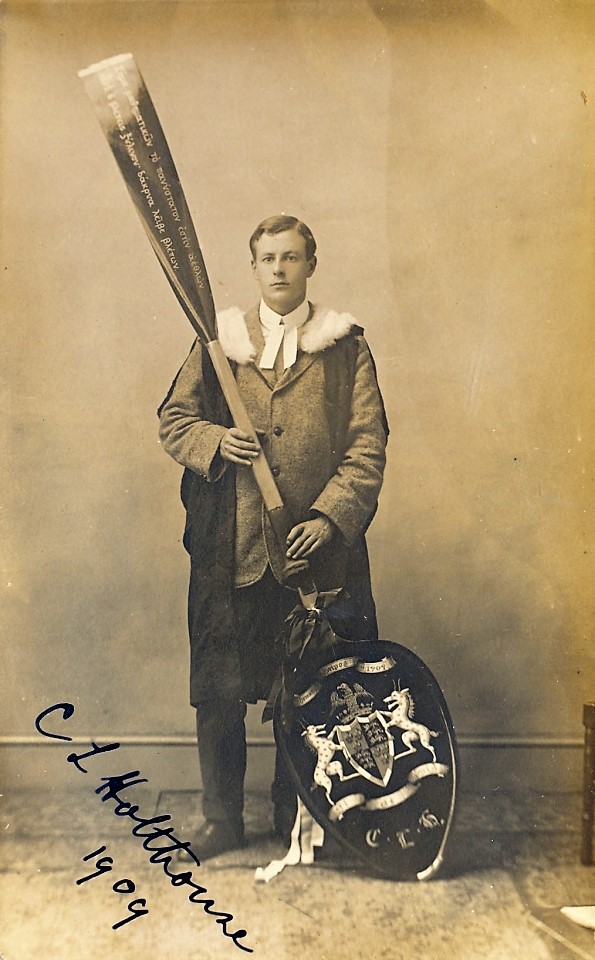
origin: a rower who does not pull the oar with a force appropriate to his or her weight fails to make the contribution expected by the rest of the crew
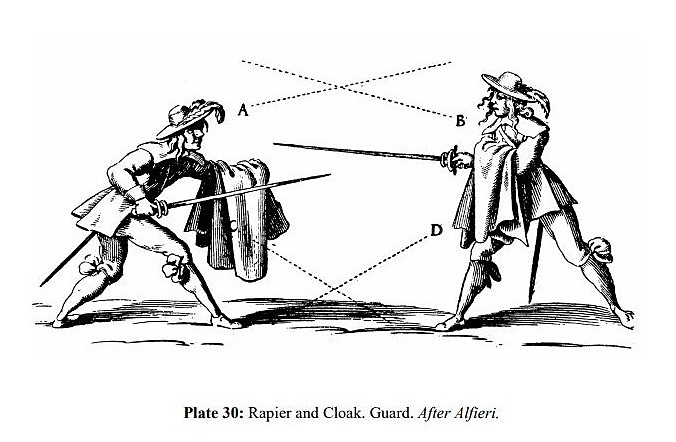
possibly from ‘cloak and sword’, from Spanish ‘(comedia) de capa y espada’, a type of dramas in which the main characters wore cloaks and swords or daggers
originally, at Cambridge University: oversized wooden spoon given to the candidate coming last in the mathematical tripos (BA-degree final honours examination)