‘all duck or no dinner’: meaning and origin
all or nothing—Australia, 1895—the image is of a dinner composed entirely of duck, i.e. of choice food, as opposed to no dinner at all
Read More
“ad fontes!”
all or nothing—Australia, 1895—the image is of a dinner composed entirely of duck, i.e. of choice food, as opposed to no dinner at all
Read More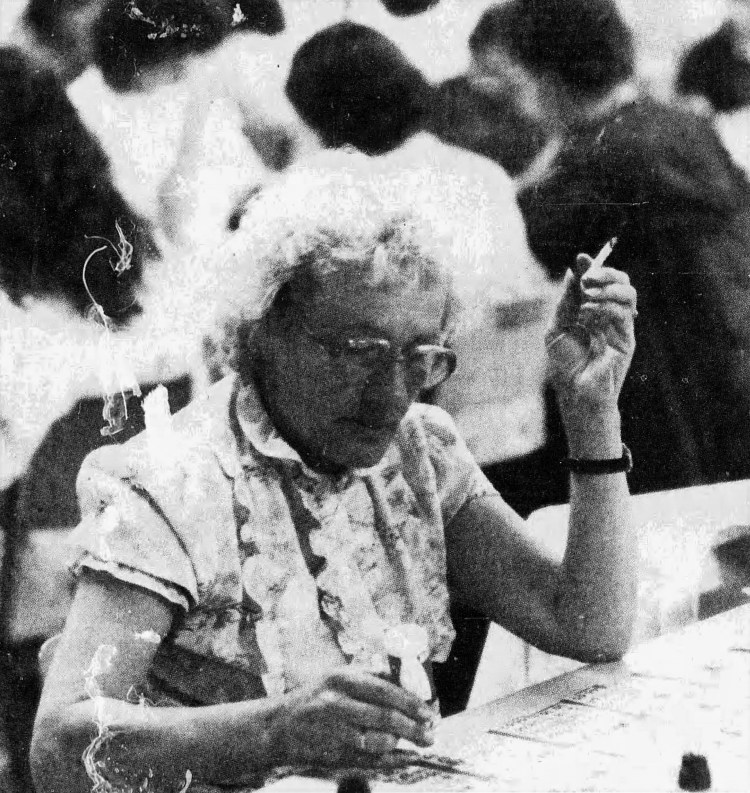
USA, 1992—the folds of loose skin or fat which hang from the undersides of a person’s upper arms—so named because they are common in older women, who are regarded as the type of person most likely to play bingo
Read More
USA, 1938—UK, 1961—satirical phrase referring to the addiction to bingo, a game in which players mark off numbers on cards as the numbers are drawn randomly by a caller, the winner being the first person to mark off all their numbers
Read MoreUSA, 1947—a mild insult perhaps alluding to impecuniousness—seems to have originated amongst teenagers and young adults
Read More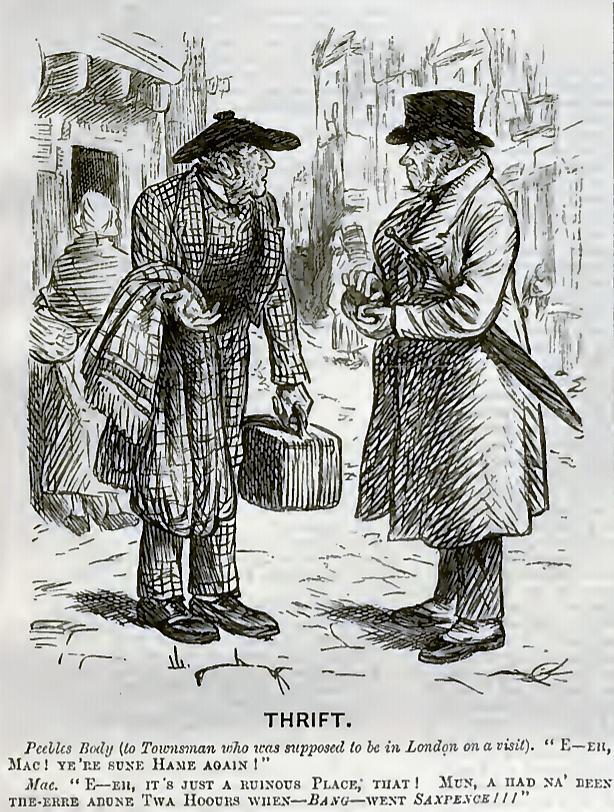
UK, 1870—based on the stereotype of Scots being miserly—from the story of the Scotsman who complained that he had to spend, in London, the small sum of sixpence
Read More
USA, 1830—used in association with ‘see’, ‘said the blind man’ puns on this verb’s primary meaning (‘to perceive with the eyes’) and secondary meanings (‘to understand’, ‘to find out’, ‘to examine’)
Read Morepersonifies the highest degree of disability or incompetence—Sydney, Australia, 1910s—variant, probably referring to a local individual, of the earlier synonymous phrase ‘blind man’
Read MoreUK, 1904—punning extension (in which ‘time’ is a verb, and ‘flies’ a noun) of the cliché ‘time flies’
Read More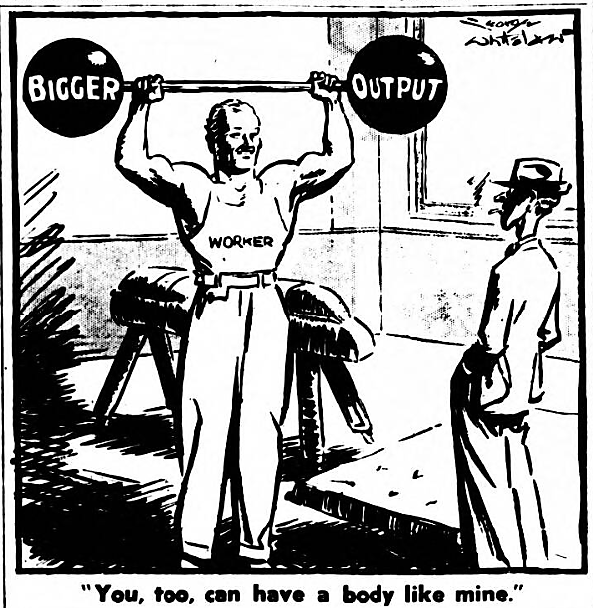
originated in magazine advertisements for the bodybuilding course created and marketed by Italian-born U.S. bodybuilder Charles Atlas (Angelo Siciliano – 1892-1972)
Read More
used of someone who won’t admit defeat—USA, early 20th century—but used in the late 19th century in reference to physical weakness
Read More word histories