‘loony bin’: meaning and origin
1909 to 1923 in stories by English author P. G. Wodehouse—a facetious appellation for a home or hospital for people with mental illnesses—‘loony’: shortened form of ‘lunatic’
Read More
“ad fontes!”
1909 to 1923 in stories by English author P. G. Wodehouse—a facetious appellation for a home or hospital for people with mental illnesses—‘loony’: shortened form of ‘lunatic’
Read MoreUK, 1824—thoroughly or perfectly right—‘trivet’: a metal tripod for a cooking pot or kettle to stand on—the phrase refers to a trivet’s always standing firm on its three feet
Read MoreUK, 1860—very much, very intensely—‘billy-o’ occurs only in this phrase—it is apparently composed of ‘Billy’, pet form of the male forename ‘William’, and the suffix ‘-o’, used to form slang and colloquial nouns, adjectives and interjections
Read MoreUSA, 1890—to regain one’s energy by resting after a period of exertion—the image is of restoring an electric charge to a battery
Read MoreUK—‘the Beast from the East’ (2011): polar continental air mass, which brings wintry conditions—‘the Pest from the West’ (2012): mild air from the Atlantic, which brings strong winds and heavy rainfalls
Read More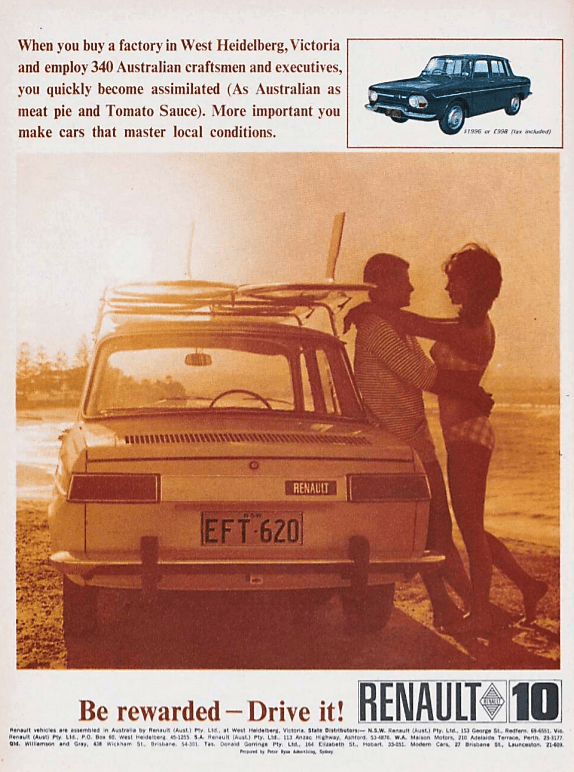
Australia, 1966—typically Australian in character—alteration of the phrase ‘as American as apple pie’, with reference to the prominence of meat pie in Australian diet
Read MoreAustralia, 1918—dazed and uncomprehending—from the image of a mullet that has been stunned
Read MoreUSA, 1976—the outcome of a situation cannot be assumed—may allude to the stereotype of a large female soprano singing the final aria of an opera—from ‘church ain’t out ’till the fat lady sings’ (1976), itself from ‘church ain’t out until the singing is over’ (1872)
Read Morecolloquial, Australia, 1910—‘the night’s (only) a pup’, or ‘the day’s (only) a pup’, means the night, or the day, is young—refers to ‘pup’ in the sense of a young dog
Read MoreAustralia, 1960—very fit and well, in robust health—the image is of a bull strengthened by his living in one of the semi-desert areas of Australia in which the principal vegetation is mallee, i.e., low-growing bushy eucalyptus
Read More
