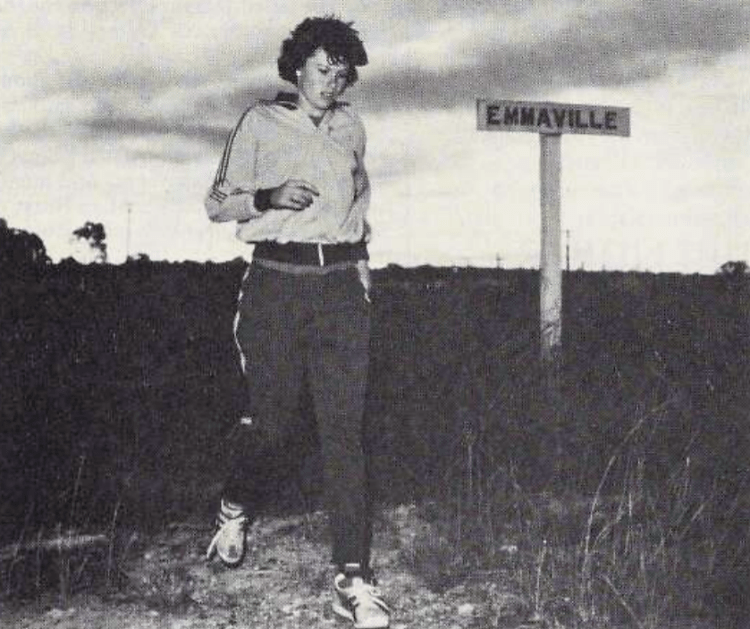
Australia, 1976—nickname of Australian sprinter Debbie Wells (born 1961), who is from Emmaville, in New South Wales—alludes jocularly to ‘express (train)’, denoting a train that stops at few stations and travels quickly
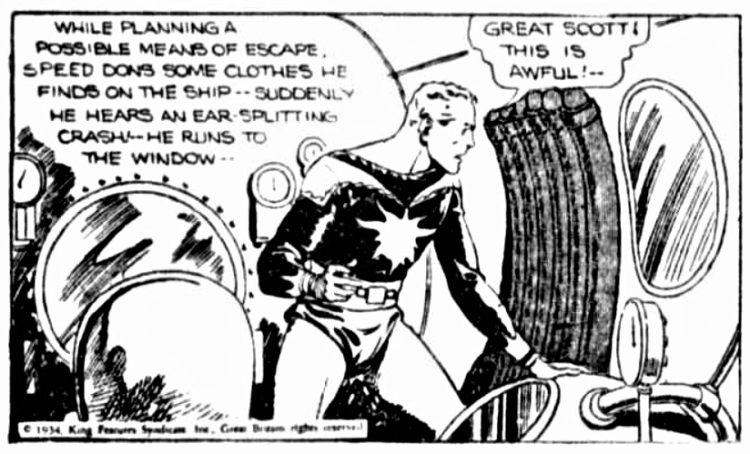
Australia, 1938—beset with extraordinary difficulties—refers to Speed Gordon, the Australian name of Flash Gordon, the hero of the eponymous space-opera comic strip first published in 1934
Australia—to test somebody’s fortitude; to put pressure on somebody—coined in 1983 by Neville Wran, Premier of New South Wales, to characterise the inexperience of Nick Greiner, the newly elected Leader of the Opposition
Australia—used to express unluckiness or unhappiness—first recorded in The Four-legged Lottery (1958), by Australian novelist Frank Hardy, who later often reused it
Australia, 1946—to return to one’s profession after retirement; of a singer or other performer: to make frequent comebacks—from the repeated farewell performances given by Australian opera singer Dame Nellie Melba
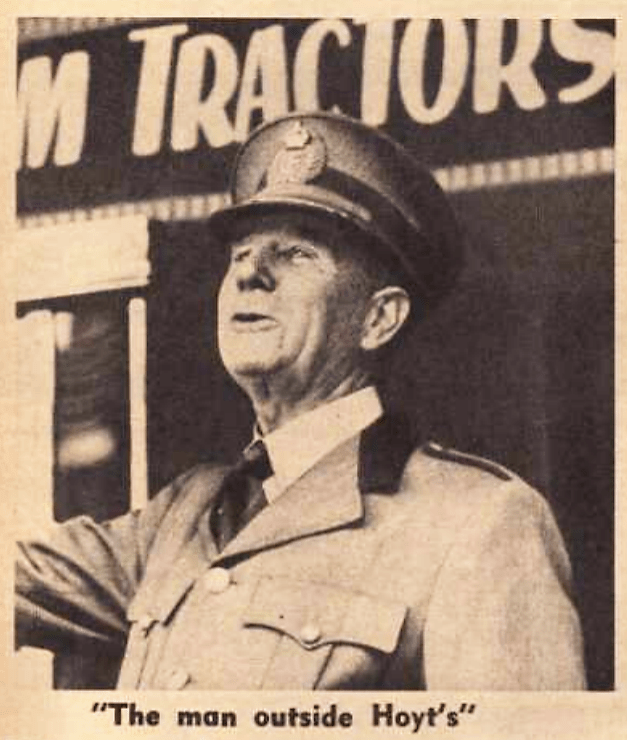
Australia, 1935—a person with extensive knowledge—originally the announcer outside Hoyt’s Theatre in Melbourne, Victoria, who wore a most elaborate uniform
France, 1891; UK, 1908—a sandwich filled with ham and cheese, and toasted or grilled—from ‘croque’, conjugated form of the verb ‘croquer’, to bite, to crunch, and the noun ‘monsieur’ (the reason that this noun was chosen is unknown)
UK, 1909: expresses the speaker’s good faith—literally, in Scouting for Boys (1908), by Robert Baden-Powell: the honour on which a Scout promises to obey the Scout Law


 word histories