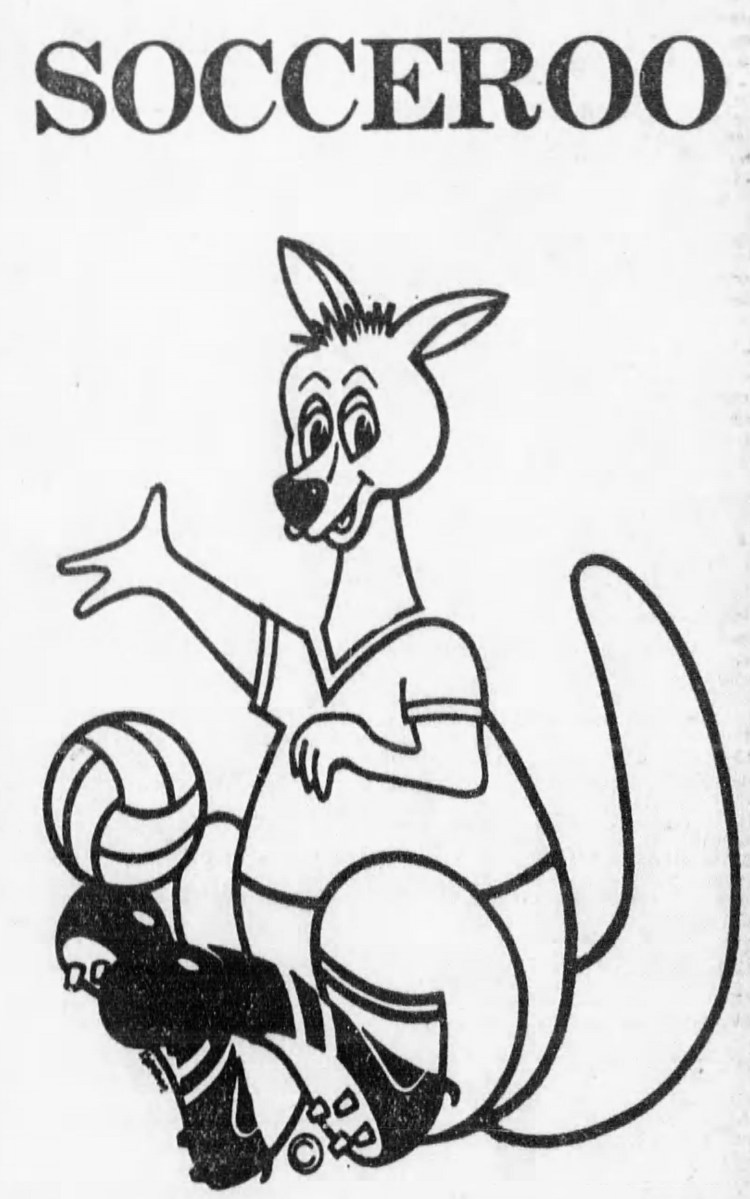
(plural) the Australian men’s national soccer team; (singular) a member of this team—originated in 1972 as the name of the mascot of the Australian men’s national soccer team, created for the 1974 FIFA World Cup
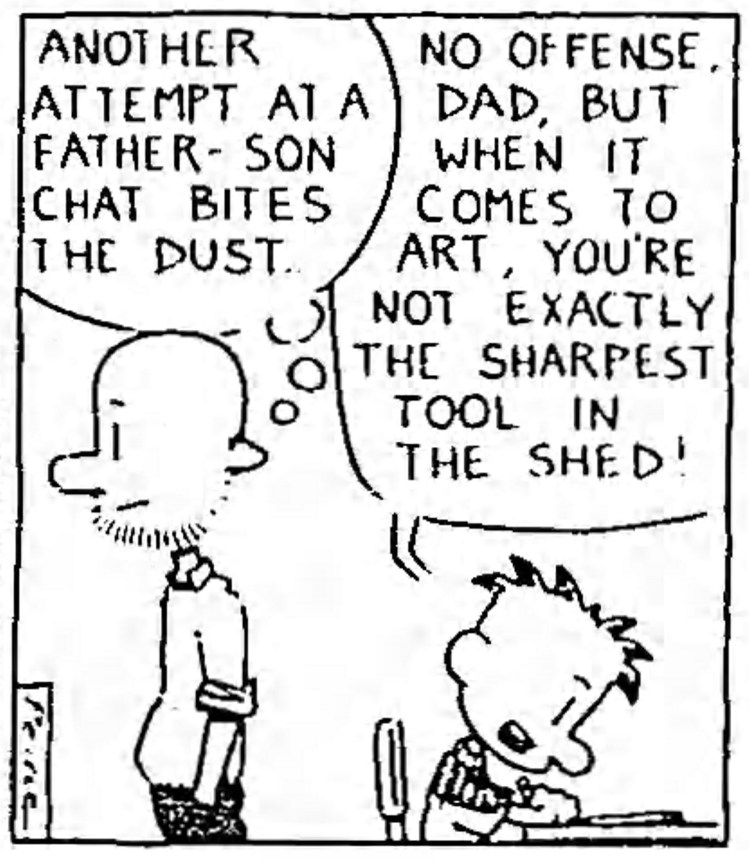
The adjective ‘sharp’ is colloquially used in the superlative, in various phrases of the form ‘not the sharpest —— in the ——’, indicating that a person is not very intelligent or perceptive, especially in comparison to others.
diarrhoea suffered by travellers, especially in Egypt—USA, 1973—does not seem to have been coined after the synonymous ‘Montezuma’s Revenge’—may somehow allude to the legendary curse of the pharaohs
out of one’s mind, extremely annoyed—Australia, 1900; New Zealand, 1907—originally as ‘(as) mad as a snake’, ‘(as) mad as snakes’ and variants—later as ‘(as) mad as a cut snake’
left-handed: ‘molly-handed’, ‘mauldy’, ‘molly-dooked’—a left-handed person: ‘molly-hander’, ‘mauldy’, ‘molly-dook’—‘molly’ and ‘mauldy’ may derive from ‘mauley’, denoting the hand or fist; ‘dook’ is ‘duke’, denoting the hand or fist
a chaotic or disastrous situation that holds a ghoulish fascination for observers—UK, 1980, as ‘like viewing a car crash in slow motion’—USA, 1991, used without ‘like’ by George Colony, president of Forrester Research
Australia, 1885; New Zealand, 1894—indicates that a person is suffering from bad luck—the implication is that this bad luck is punishment for a crime committed by the person
Australia, 1878—a knockout blow; anything of exceptional size or force—allegedly alludes to a boxer called Dinny Hayes—but no evidence supports this allegation