‘not to put a foot wrong’: meaning and origin
to make no mistakes at all—UK, 1864—this phrase was originally used of racehorses and hunting horses
Read More
“ad fontes!”
to make no mistakes at all—UK, 1864—this phrase was originally used of racehorses and hunting horses
Read Morealso ‘to be all thumbs’—to be extremely clumsy (i.e., lacking in manual dexterity)—19th century—variants of the original phrase ‘each finger is a thumb’, already proverbial in the mid-16th century
Read Moreto get a severe beating—popularised in UK & Ireland in the 2nd half of the 20th century through its use in chants by supporters at Association-Football matches, chiefly to threaten opposing away supporters
Read More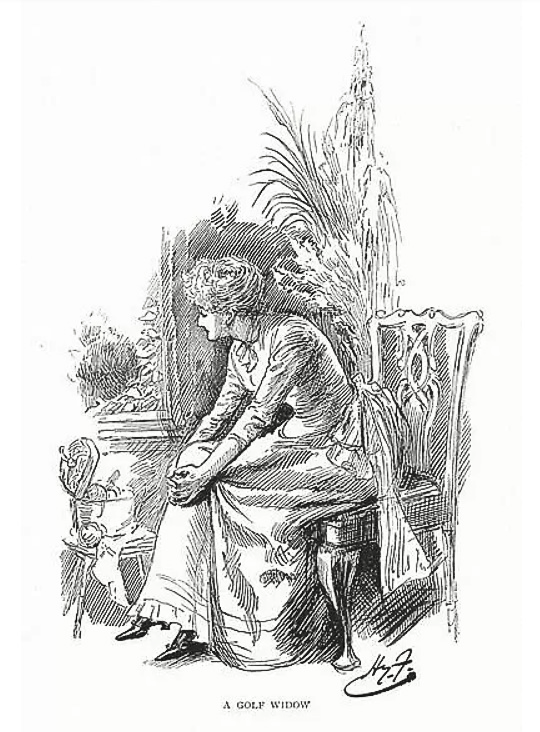
a woman whose husband spends much of his spare time playing golf—UK, 1890—refers to the fact that the husband’s repeated absences from the marital home leave his wife feeling neglected
Read Morethe only option worth considering—USA, 1904—from the story (1894) of a man who is so addicted to faro that he takes part in a game despite knowing it to be rigged, because it is the only game available in town
Read Morea person who seems eager to take on difficult or unpleasant tasks—UK, 1829—originally, in pugilistic slang, a fighter who “takes a deal of punishment before he is satisfied”
Read Moreoriginally “If the Hill will not come to Mahomet, Mahomet wil go to the hil” in Of Boldnesse (1625), an essay by the English philosopher and statesman Francis Bacon (1561-1626)
Read More(literally): to fall heavily; (figuratively): to fail completely—UK, 1847—‘cropper’ may be derived from ‘crop’ in the phrase ‘neck and crop’ (1791), which originally referred to a heavy fall
Read Morea person with facial acne—Californian high-school slang, 1963—in this expression, the pimples caused by facial acne are likened to slices of pepperoni on a pizza
Read Moreto criticise or attack somebody aggressively or decisively; to target an adversary’s weakest or most vulnerable point—USA, 1879—the image is of attacking a person fatally in the throat or neck, where the jugular vein runs
Read More
