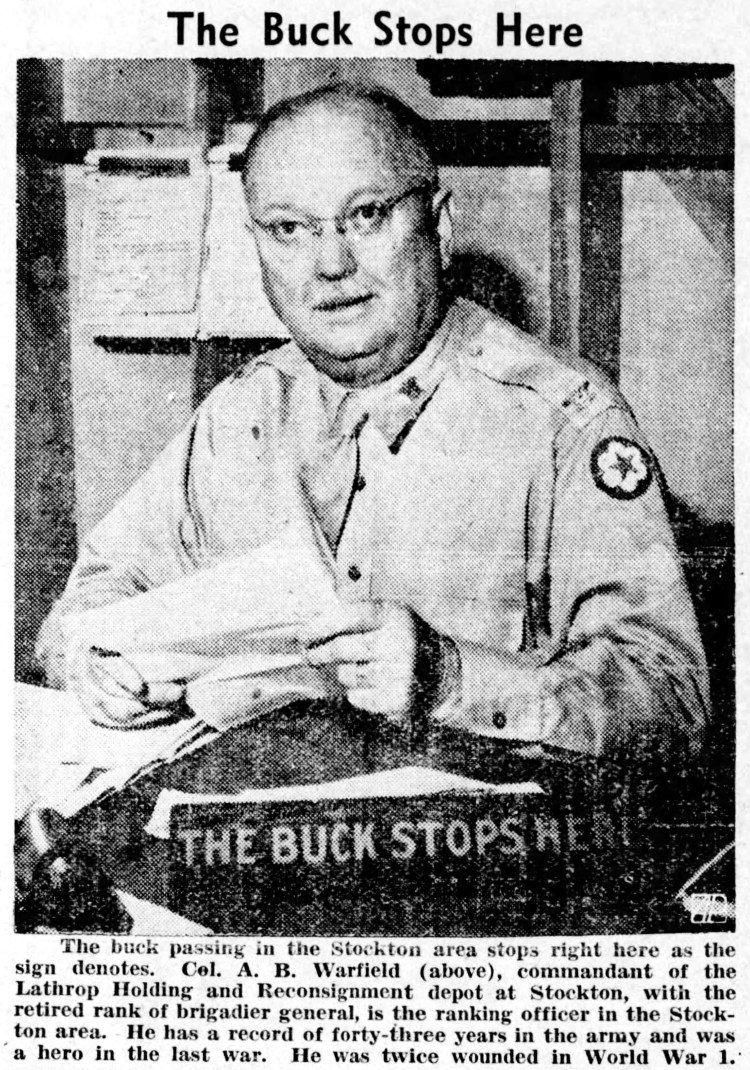
USA, 1929—the final responsibility lies with a particular person—from ‘to pass the buck’—‘buck’: in the game of poker, any object in the jackpot to remind the winner of some obligation when his or her turn comes to deal
USA, 1967—a person with a need to exercise tight control over their surroundings, behaviour or appearance—‘freak’ is used as the second element in compounds designating a person who is obsessed with the activity, interest or thing denoted by the first element
Australia, 1932: to attract unwelcome attention or criticism—originally, WWI slang: to draw artillery fire from the enemy, in reference to crab shells, used with punning allusion to artillery shells
Australia—in Australian Rules football: used as a call to discourage or distract a player in a rival team attempting to kick for goal—more widely: used to deride a person or organisation deemed to be performing poorly, or to wish someone bad luck—‘chewy’ = ‘chewing gum’
Australia, 1953—to flatter someone or to (seek to) ingratiate oneself with someone, to curry favour with someone—cf. 19th-century British phrase ‘to piss down someone’s back’ (to flatter someone)
Australia & New Zealand, early 1970s—‘Pommy’: a British immigrant to Australia or New Zealand; a British (especially an English) person—‘-bashing’: the activity of abusing or attacking the people mentioned just because they belong to a particular group or community
Australia & UK—denotes physical ugliness; also used of temporary states such as tiredness, hangover, anger, etc. (Australia, 1946)—also denotes rapidity (Australia, 1947)