‘to shoot the breeze’: meaning and early occurrences
USA, 1909—to converse idly, to gossip; to talk nonsense or to exaggerate the truth
Read More
“ad fontes!”
USA, 1909—to converse idly, to gossip; to talk nonsense or to exaggerate the truth
Read More
also ‘to throw a wobbler’—New Zealand, 1964—to lose one’s self-control in a fit of nerves, temper, panic, etc.—‘wobbly’, also ‘wobbler’, denotes a fit of temper or panic
Read Morea person who struggles for a livelihood, and who displays great determination in so doing—Australia, 1974—originally applied to the Australian television host, radio presenter and singer Ernie Sigley
Read Moreto delay dealing with a difficult situation—USA, 1983—may refer to toying idly with a discarded can while walking down a road or street
Read MoreUSA, late 19th century—to give up, to retire, also, occasionally, to die—from the image of a billiard-player putting the cue back in the rack when the game is over
Read More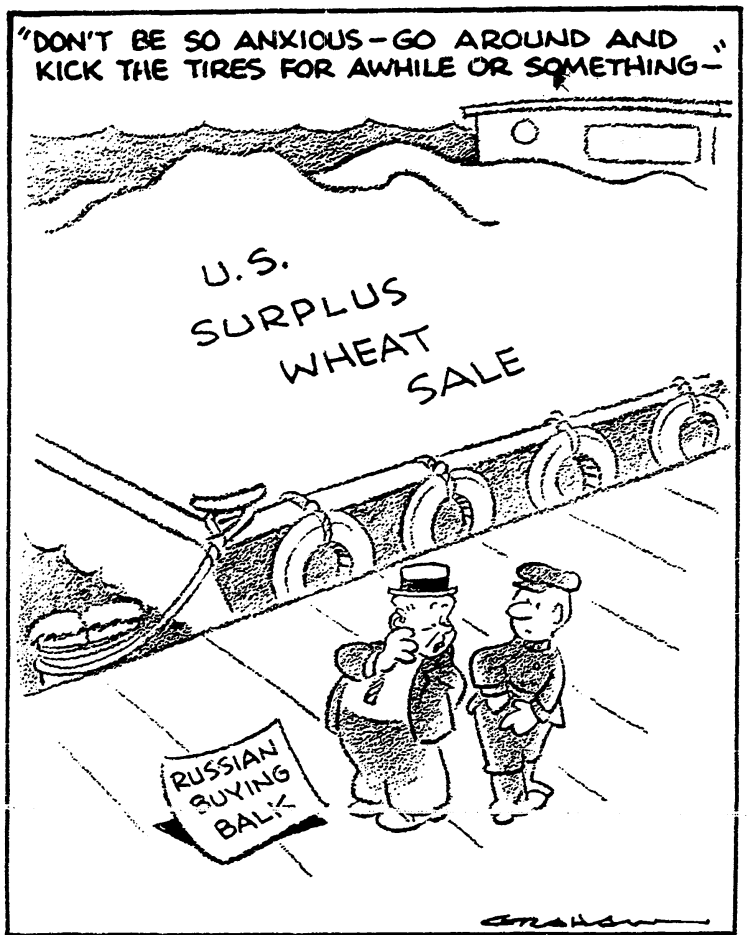
USA, early 1960s—to test, check or research the condition or quality of a product, service, etc., before purchase or use—alludes to the practice consisting for a prospective buyer in kicking the tyres of a motorcar when inspecting it
Read MoreUK politics, 1962—to delay dealing with something, in the hope that it will be forgotten—from the image of sending a ball into the tall grass off the playing field during a sporting event, which interrupts this event
Read MoreUK, 1879—when matters become difficult or serious—of obscure origin—perhaps originally in reference to a music-hall song of that title, interpreted from 1870 onwards by Annie Adams
Read MoreUSA, 1930—used either literally or of something that should not or cannot be named or mentioned—alludes to ‘The Greeks Had a Word for It’, the title of a 1930 stage play by Zoe Akins
Read Morevery cunning—New Zealand, 1908—‘Māori dog’: a dog of Polynesian origin; also any mongrel dog associated with Māori settlements or living in a wild state
Read More
