notes on ‘ping-pong’ (parliamentary term)
UK Parliament, 1902: rapid verbal exchanges between two parties—Queensland Parliament, 1902: the to and fro of amendments to bills between two Houses of Parliament
Read More
“ad fontes!”
UK Parliament, 1902: rapid verbal exchanges between two parties—Queensland Parliament, 1902: the to and fro of amendments to bills between two Houses of Parliament
Read Moreindicates that a place or event is one to which guests may or should bring their own alcoholic drink—UK, 1858—USA, 1910—in early U.S. use, often referred to the prohibition of alcohol
Read More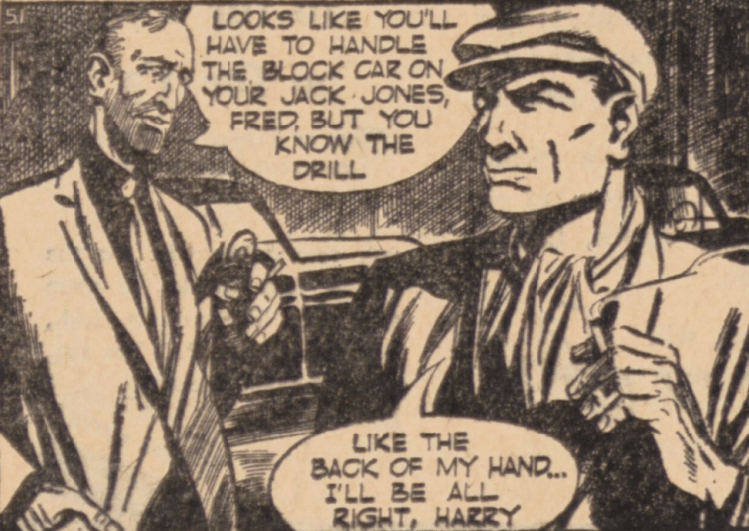
‘on one’s own’—UK, 1926—‘Jack Jones’ is rhyming slang for ‘alone’, or for ‘own’ in ‘on one’s own’
Read MoreAustralia, 1986—used as an assurance that all is fine, or to express one’s agreement or acquiescence—euphemistic alteration, with switching of the initial consonants, of ‘no fucking worries’
Read Moreto hurry up (1849 in Charles Dickens’s David Copperfield); the image is of a skater gliding rapidly over an ice surface—also, in early use (USA, 1886): to get drunk; the rolling gait of a drunk person is likened to the swaying motion of an ice skater
Read MoreUK, 1856—a talisman associated with a woman—a woman likened to a talisman, especially a female sports player regarded as the leading representative of her team—alteration of ‘talisman’ with substitution of ‘woman’ for the element ‘‑man’
Read More‘cauliflower ear’ (USA, 1887)—French calque ‘oreille en chou-fleur’ (1913)—an ear permanently deformed as a result of injuries from repeated blows, as in boxing
Read Moreto perform outstandingly well—UK, 1902, originally in football: to play an excellent game—the image may be of a footballer whose speed and skill overpower opponents
Read MoreUSA, 1930—a rhetorical question calling attention to a non-sequitur or irrelevant statement or suggestion made by another person—one of the phrases built on the pattern ‘what has that got to do with the price of ——?’
Read MoreUSA, 1969—the phrases ‘off the radar’, ‘under the radar’ and ‘below the radar’ are used of something or someone that cannot be detected—the reference is to an aircraft flying too low to be detected by a radar
Read More
