origin of ‘no-go area’: the Troubles in Northern Ireland
1969 as ‘No Go Land’, proper name of a Catholic ghetto in Belfast—1970 as ‘no-go area’, any Northern-Irish area to which entry was restricted or forbidden
Read More
“ad fontes!”
1969 as ‘No Go Land’, proper name of a Catholic ghetto in Belfast—1970 as ‘no-go area’, any Northern-Irish area to which entry was restricted or forbidden
Read Moreto behave in an unpleasant, aggressive or overbearing manner; to speak in a sarcastic or caustic way—British Army slang, World War I
Read More
to die; to be lost or destroyed; to meet with disaster—1914, Army slang—probably from the notion of the setting sun symbolising disappearance or finality
Read Morewomen regarded collectively as objects of sexual desire; sexual intercourse—first recorded in ‘The Gilt Kid’ (1936), by James Curtis (Geoffrey Basil Maiden)
Read More
USA, 1942, Army slang—popularised in the Army weekly ‘Yank’ by ‘The Sad Sack’, a cartoon strip by George Baker, depicting the misfortunes of an inept private
Read More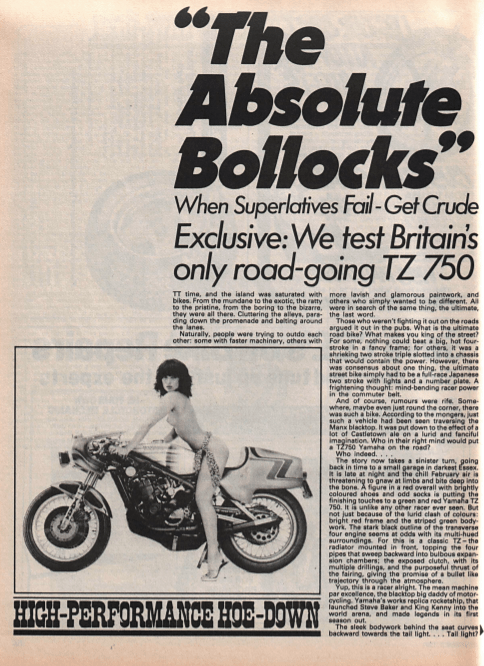
UK, 1980s—the very best—perhaps from ‘it sticks out like a dog’s ballocks’, denoting something obvious, hence someone or something that sticks out from the rest
Read MoreUK, 1988—used in similes to denote something that protrudes—originated in British military slang
Read More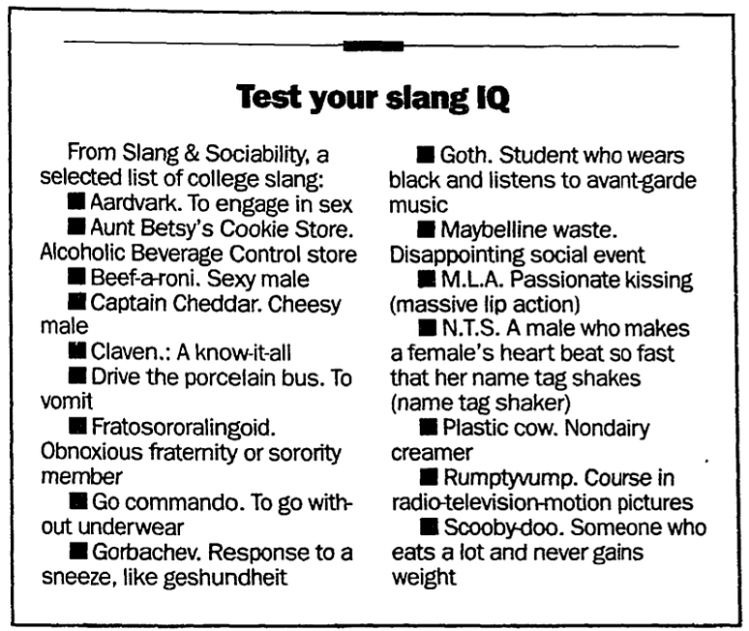
USA, 1974—to wear no underpants—originated in university slang—perhaps because commandos wear no underpants in order to prevent crotch rot and rashes
Read MoreUK, 1915—to be lavish in one’s celebrations or spending—Army and Navy slang: to buy a round of drinks—’a boat’ might be metaphorical for ‘a glass’ (i.e., ‘a drink’)
Read More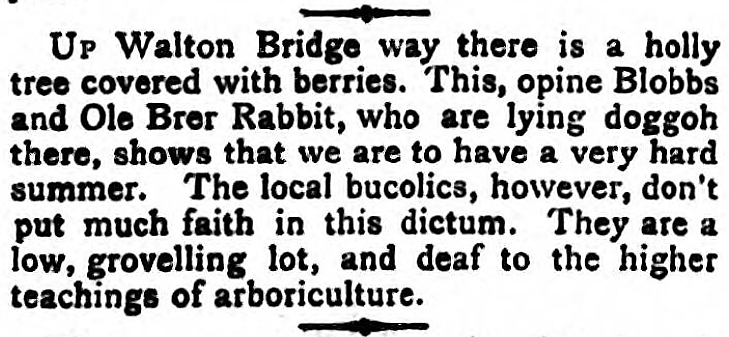
UK, 1882—to remain motionless and quiet; to keep a low profile—probably from ‘dog’ and suffix ‘-o’, with allusion to the characteristically light sleep of a dog
Read More word histories