meaning and origin of ‘Maggie’s drawers’

U.S. Army slang 1936—a red flag waved to indicate a complete miss on a target range—probably from bawdy song ‘Those Little Red Drawers That My Maggie Wore’
Read More
“ad fontes!”
U.S. Army slang 1936—a red flag waved to indicate a complete miss on a target range—probably from bawdy song ‘Those Little Red Drawers That My Maggie Wore’
Read More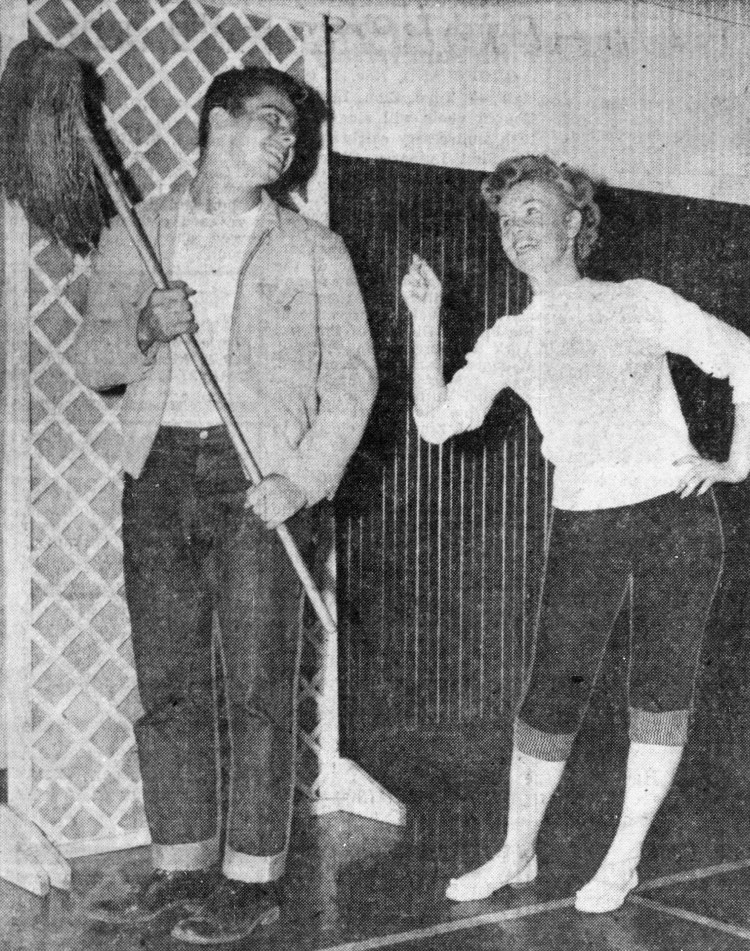
that’s the way the situation is, and it must be accepted, however undesirable—1955, US teenagers’ slang—partially based on identical sounds in ‘mop’ and ‘flop’
Read More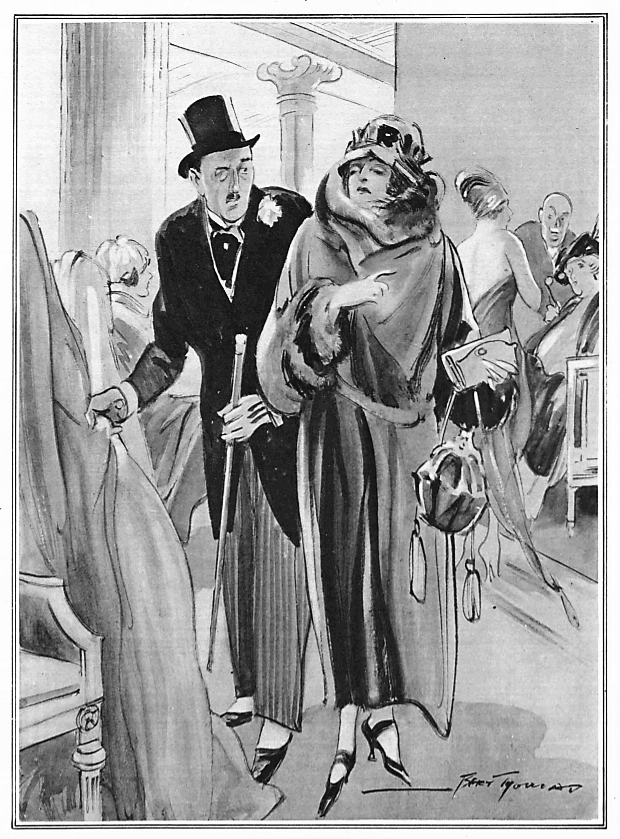
First World War military slang—extended forms of ‘that’s the stuff’—used in approval of what has just been done or said, or to mean ‘that is what is needed’
Read More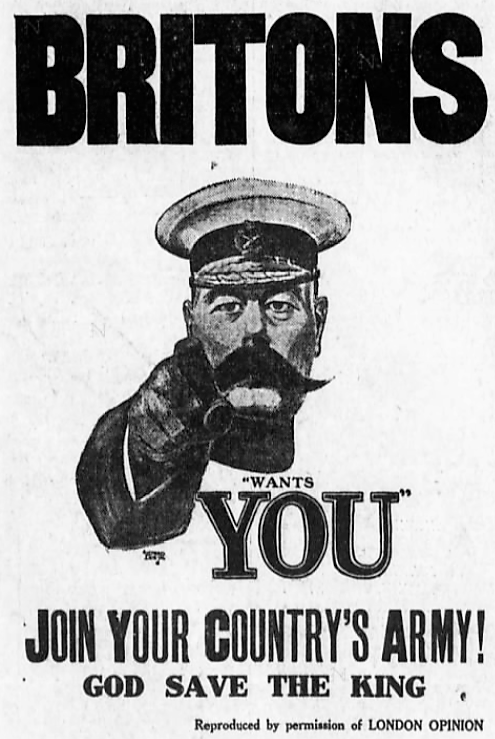
UK, 1914—from a poster showing Lord Kitchener, Secretary of State for War, used in the recruitment campaign at the beginning of World War One
Read MoreAustralia, 1969—used to denote a fast-moving person or situation—alludes to the quickness with which a bride’s nightdress comes off on the wedding night
Read Moreeuphemistic jocular variant of ‘not bloody likely’—UK, 1914—from the sensation caused by the use of the expletive ‘bloody’ in George Bernard Shaw’s ‘Pygmalion’
Read More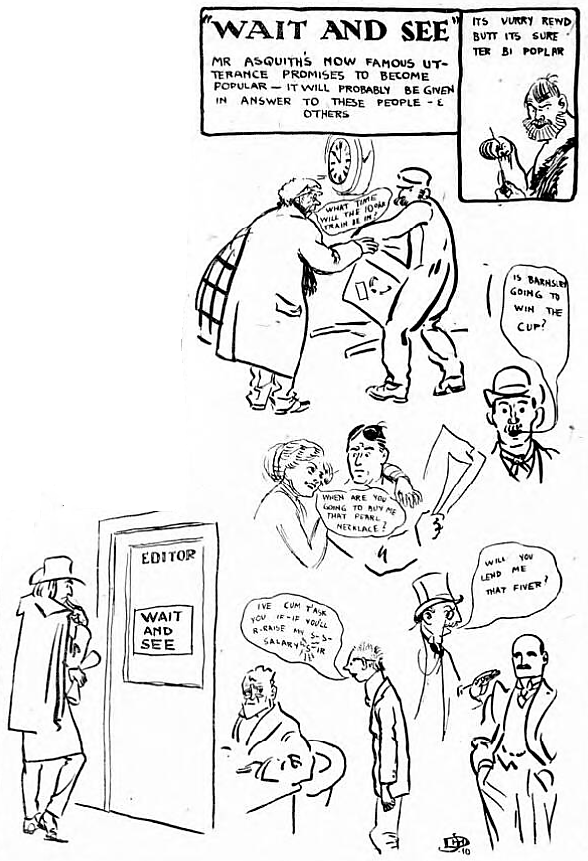
gained currency in 1910 from Prime Minister Asquith’s repeated use in reply to questions in Parliament—hence WWI slang for French matches difficult to ignite
Read Moree.g. ‘one eye at St. Paul’s and the other at Charing-cross’, ‘un œil aux champs et l’autre à la ville’ (one eye at the fields and the other at the town)
Read More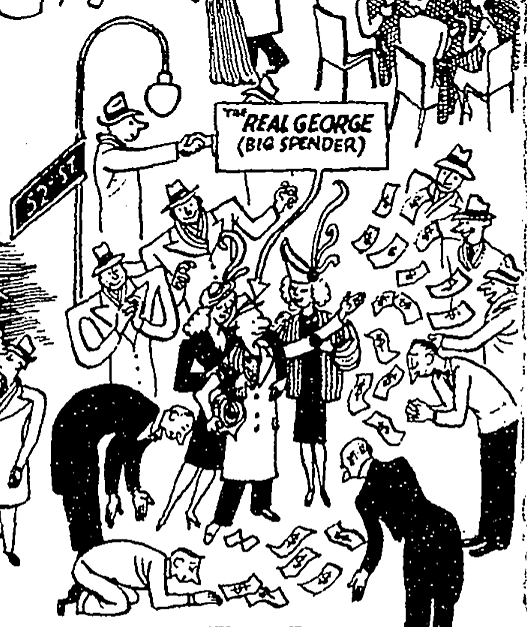
1950, Broadway slang, pejorative—a wealthy man who, in return for their company, lavished money on showbusiness people and those mixing with them
Read More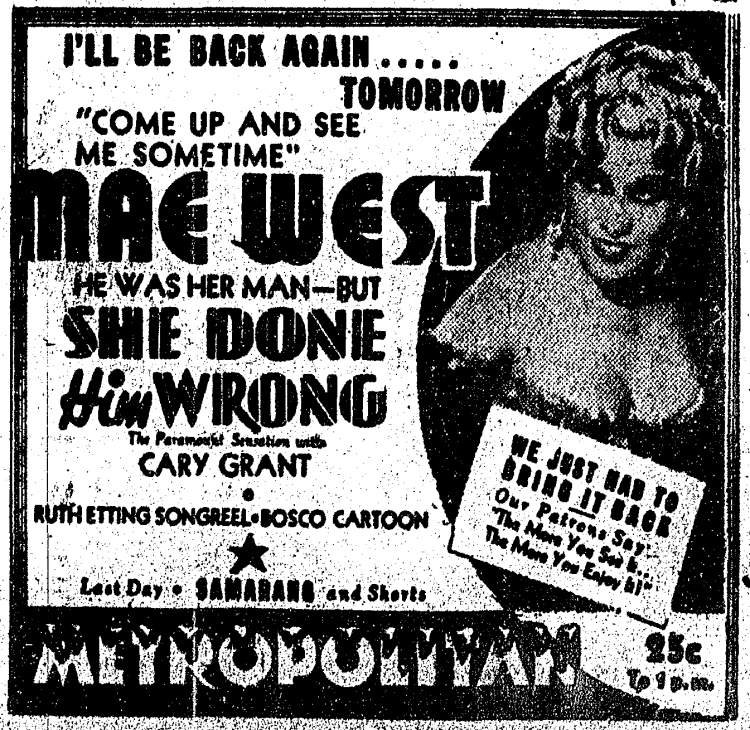
USA, 1933—a famous invitation to sexual dalliance—alteration of ‘come up sometime and see me’, uttered by Mae West in the 1933 film ‘She Done Him Wrong’
Read More word histories