UK, 1997—the title given to the official resident cat of the Prime Minister of the United Kingdom at 10 Downing Street, London—‘mouser’, first recorded circa 1440, denotes an animal that catches mice
a small component of a much larger structure, system or process; an insignificant individual within a large population or community—commonly associated with ‘Another Brick in the Wall’, the title of a three-part composition by the British band Pink Floyd in their 1979 rock opera ‘The Wall’, but has been used since 1867
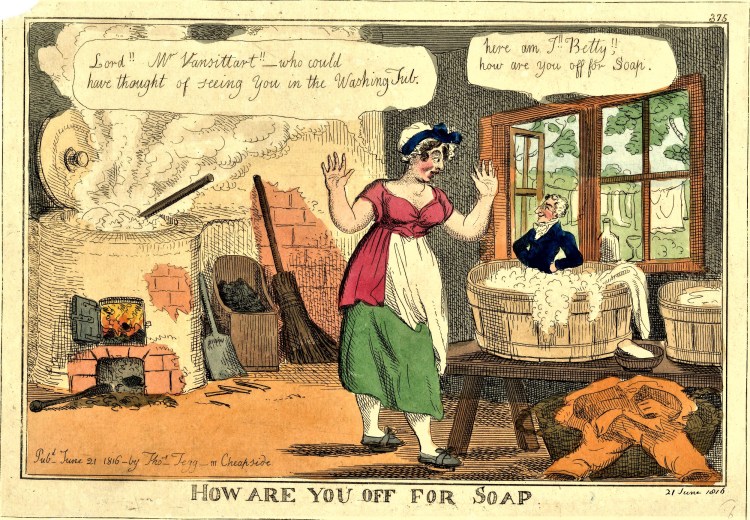
UK, 1816—a meaningless bantering phrase—originated in a print published in June, satirising the fact that a bill on additional taxation on soap had been brought in unobtrusively in May by the Chancellor of the Exchequer
USA—‘in mothballs’ (1892): in a state or period of inactivity, disuse, reserve, storage or postponement—‘out of mothballs’ (1905): back into activity, into use
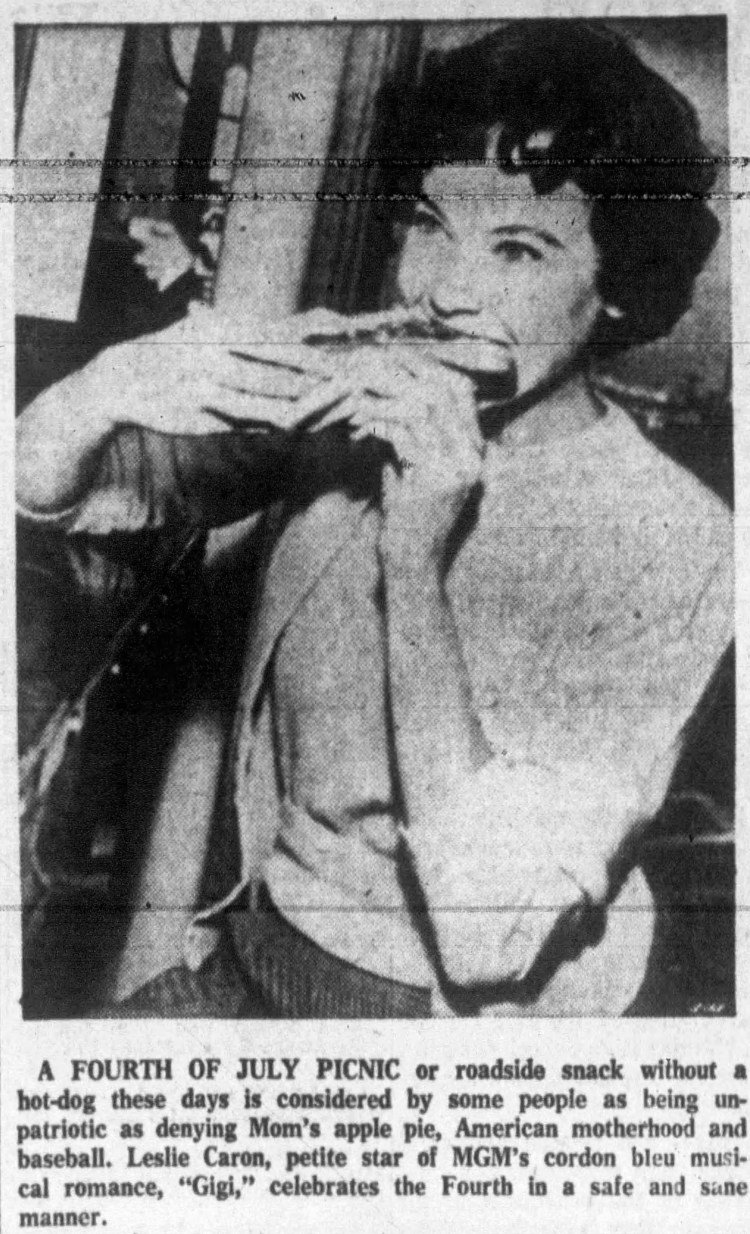
USA, 1956—denotes a core principle, value, belief, characteristic, aspect, etc., of the U.S.A. or its citizens—more generally, the nouns ‘motherhood’ and ‘apple pie’ have been juxtaposed in enumerations of things and persons exemplifying U.S. values
USA, 1936—psychiatrists or psychiatric workers—refers to the traditional use of white coats by medical personnel—often used in the stereotypical image of a mentally-disordered person being borne away to a psychiatric hospital by psychiatric workers
classical Latin ‘mare nostrum’, literally ‘our sea’: one of the names given by the Romans to the Mediterranean Sea—USA, 1824: any sea or other stretch of water belonging to, or under the control of, a nation
UK and USA, late 19th century—‘parlour socialist’: a middle- or upper-class person claiming to be committed to the cause of socialism but not actually involved in the achievement of that cause—‘parlour socialism’: the claimed commitment of a middle- or upper-class person to the cause of socialism without actual involvement in the achievement of that cause
‘parlour patriot’ (1797)—the earliest of the phrases in which ‘parlour’ is a depreciative attributive modifier used of a person claiming to be committed to a cause but not actually involved in the achievement of that cause—‘parlour’ is also used of the claimed commitment to a cause without actual involvement in the achievement of that cause
USA, 1920: ‘wetback’: an illegal immigrant who crossed the Rio Grande from Mexico to the USA—by extension: any illegal immigrant who entered a foreign country by swimming—Mexico and USA, 1994: ‘espaldas secas’, i.e., ‘dry backs’: the U.S. citizens working in Mexico as a result of the North American Free Trade Agreement