UK, 1929—‘glad and sorry’ denotes hire purchase, i.e., a system by which one pays for a thing in regular instalments while having the use of it—the image is that the hire-purchaser is at the same time glad to have the use of the merchandise and sorry to still have to pay for it
used attributively of something that may not have an end for years, if ever—especially used of a loan that the borrower refuses to pay back, and of hire purchase—refers to the line “It may be for years, and it may be for ever” in the song ‘Kathleen Mavourneen’ (1835)
literal meaning (1551): halfway across the sea—figurative meanings (1692): halfway towards a goal or destination, half through with a matter, halfway between one state and another—also (1699): half drunk
In Britain in the 19th and early 20th centuries, the grim proletarian phrase ‘churchyard luck’ denoted the ‘good fortune’ which the parents of a large, poor family experienced by the death of one or more of their children.
UK and Ireland—with reference to the fact that Horatio Nelson was blinded in one eye—(1922) ‘until/when Nelson gets his eye back’ is used of a very long time in the future—(1933) the metaphor of Nelson getting his eye back is used of a very small chance of success
UK and USA, 1889—used of anything that is speciously high-class in appearance, but is commonplace in reality—‘Queen Anne’ means ‘beautiful’, as opposed to ‘Mary Ann’, meaning ‘vile’; ‘low’; ‘mean’
interwar period—Liverpudlian dockers—three days at work and three days on the dole—‘hook’ refers to the dockers’ tool, ‘book’ refers to the unemployment register
UK, 1980—denotes someone or something that is unwelcome, unpopular, etc.—first recorded in a remark by the Scottish comedian Billy Connolly, but perhaps originated in Royal-Navy slang
UK, 1877—humorous: a holiday or period of leisure spent drinking alcoholic liquor—blend of the nouns ‘alcohol’ and ‘holiday’—has, in the course of time, been coined on separate occasions by various persons, independently from one another
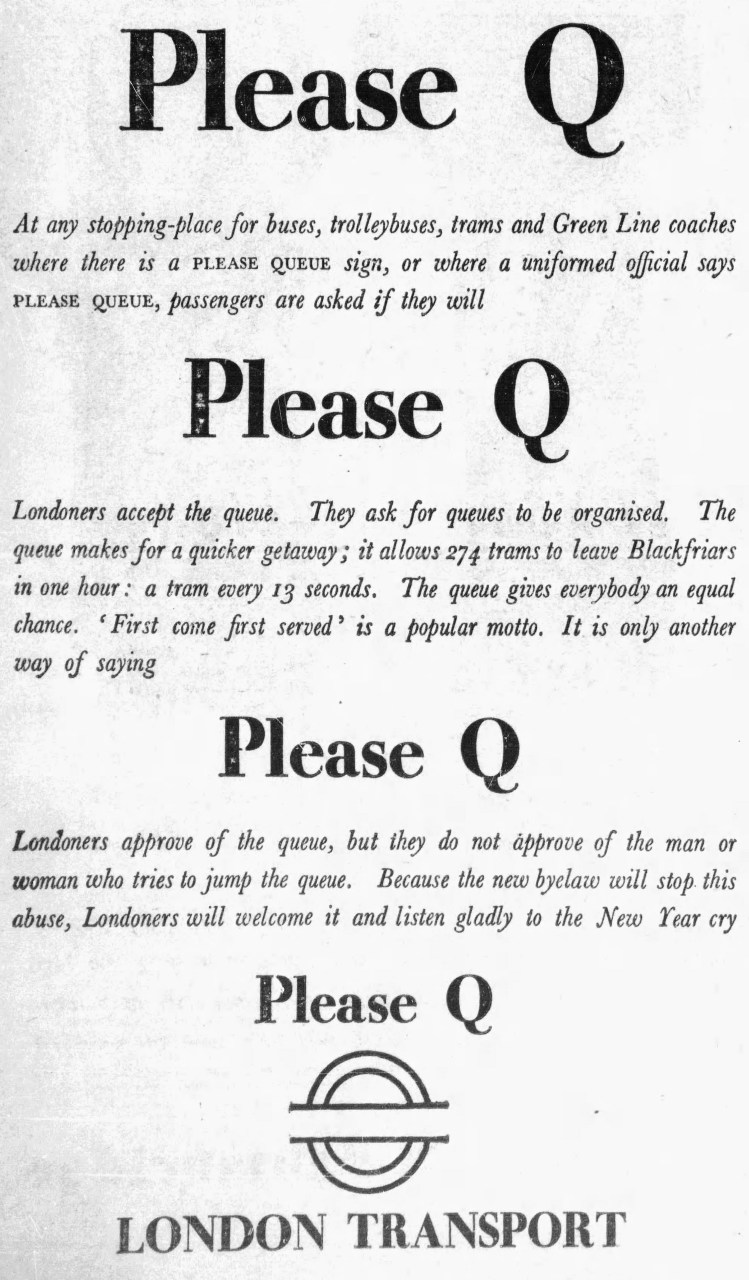
UK, 1920 (‘queue-jumper’)—literally: to push forward out of turn in a queue—figuratively: to obtain unfair priority over others—especially used since the 1930s in relation to compulsory queueing schemes implemented by public-transport authorities