‘butterfingered’, adjective, 1615: having a tendency to let things fall or slip from one’s hands—also (English, regional) unable or unwilling to handle hot items with one’s bare hands—‘butterfingers’, noun, 1835: a butterfingered person, a person with a tendency to let things fall or slip from his or her hands
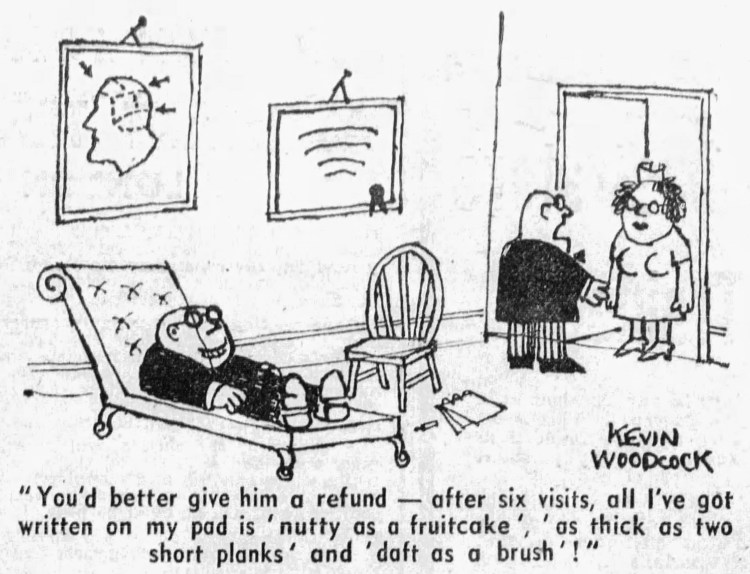
UK, 1985—to be ‘stale’, to be no longer innovative, relevant, or effective—refers to the practice introduced in Britain in the early 1970s of stamping perishable goods with the latest date by which they may be sold
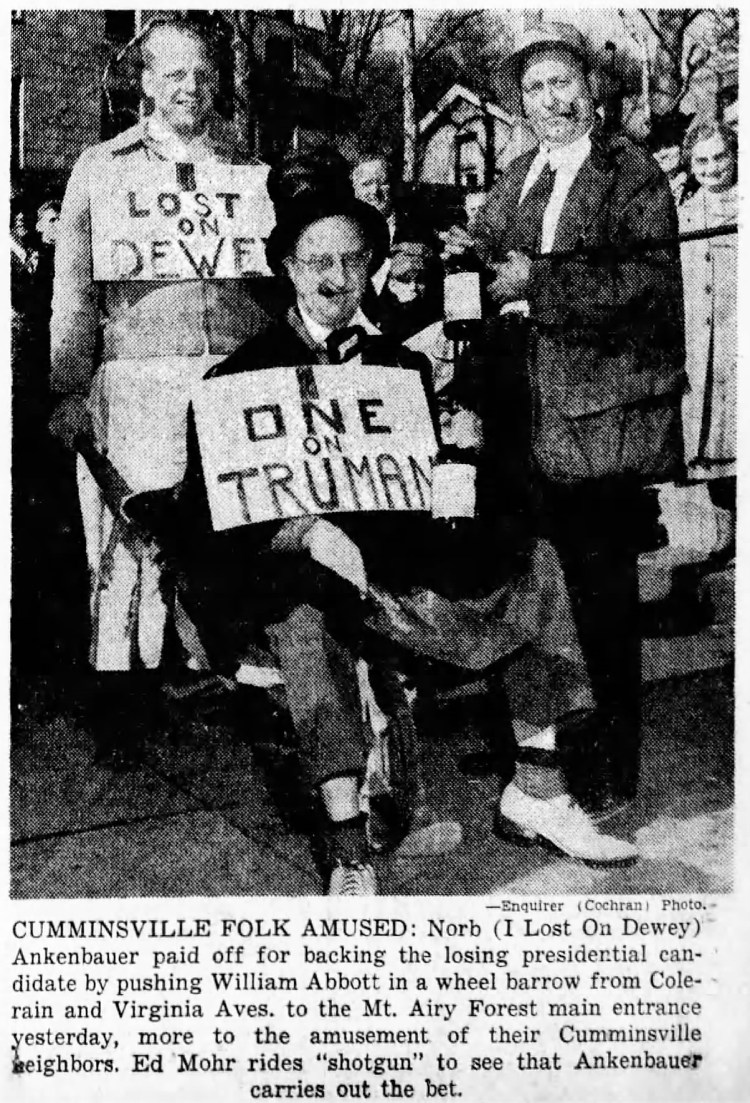
USA—literally (1905): to travel as an armed guard next to the driver of a vehicle—in extended use (1948): to accompany, to escort, especially in ‘to ride shotgun on somebody’—figuratively (1949): to assist, to protect, especially in ‘to ride shotgun on somebody’
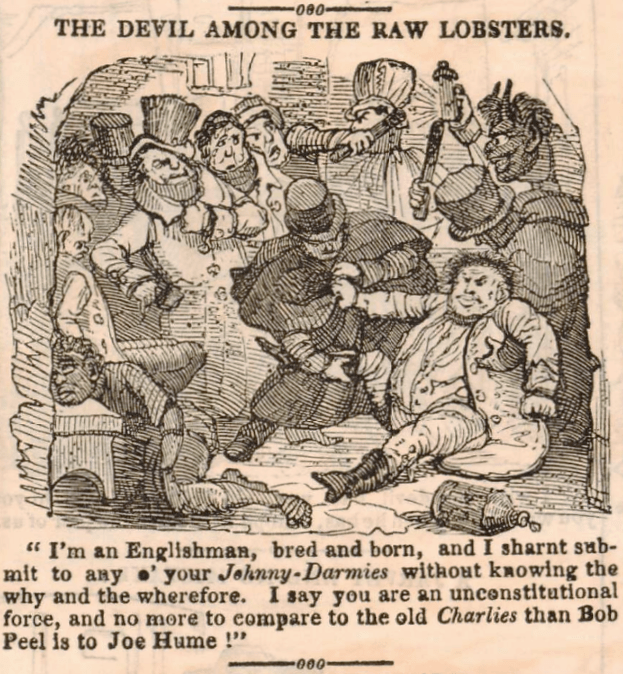
UK, 1830—‘Jenny Darby’, ‘Johnny Darm’, and variants, were originally opprobrious names for any member of the new Metropolitan Police introduced in 1829 by Robert Peel—alterations of ‘gendarme’, with full or partial folk-etymological remodelling variously after the female forename ‘Jenny’, the male forename ‘Johnny’, and the surname ‘Darby’
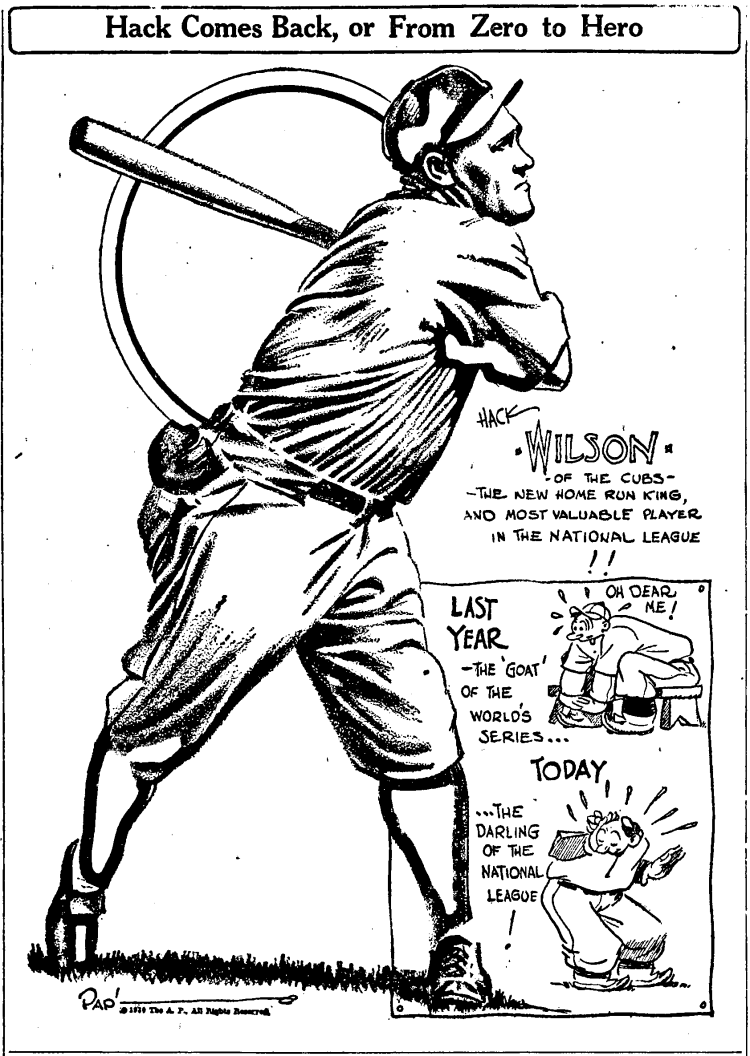
USA—(1893) ‘to go from zero to hero’: to experience a sudden increase in popularity or success, especially having previously been in a position of low achievement or esteem—(1899) ‘to go from hero to zero’: to suffer a sudden decline in popularity or success
1758—humorous exclamation expressing surprise, excitement, etc.—‘star’: a badge in the shape of, or ornamented with, a star, worn as part of the insignia of an order of knighthood or of chivalry—‘garter’: the badge of the highest order of English knighthood, i.e., the Order of the Garter
1747—a small outlay or risk ventured in the hope or expectation of a significant return—a metaphor from fishing, in which sprats are used as bait to catch larger fish—in early use with the words ‘salmon’ and ‘herring’ instead of ‘mackerel’
Scotland, 1806—to make a determined effort to achieve something, whether ending in success or failure—refers to the making of spoons out of the horns of cattle or sheep, which was common in Scotland till late in the 19th century
USA, 1812—UK, 1818—the name of a character proverbially said to have been so great a liar that he was expelled from Hell—hence, frequently in ‘a bigger liar than Tom Pepper’, and variants: an outrageous liar