‘the big smoke’: meanings and origins
Australian English, 1848: any urban area (said to be of Aboriginal origin)—Irish and British English, 1862: Dublin and London—alludes to smoke as characteristic of an urban area
Read More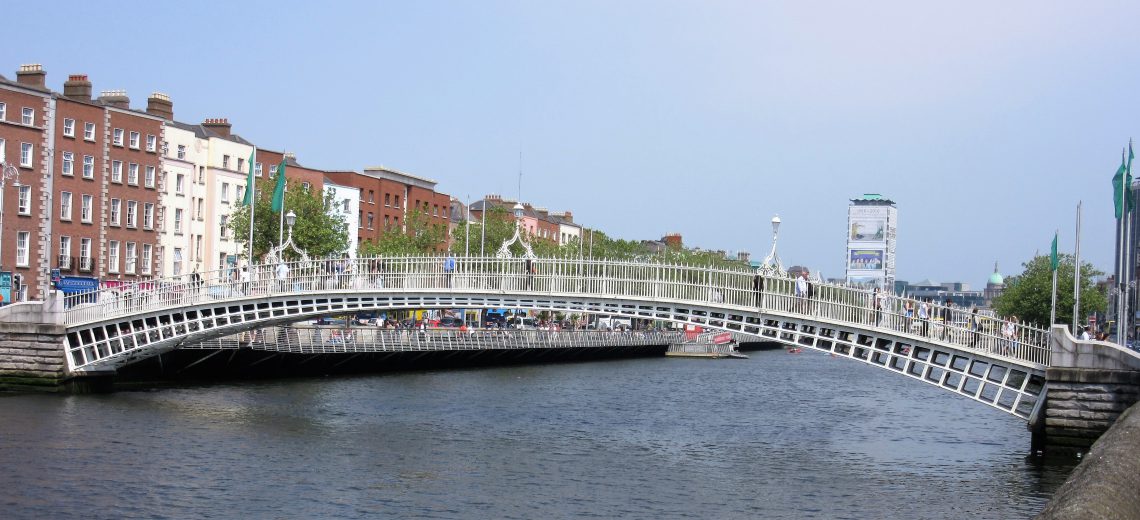
“ad fontes!”
Australian English, 1848: any urban area (said to be of Aboriginal origin)—Irish and British English, 1862: Dublin and London—alludes to smoke as characteristic of an urban area
Read MoreAustralia, 1944—jocular—denotes the Yarra River, which flows through Melbourne, Victoria—alludes to the brownish colour of this river, the image being that the mud is on the top, not at the bottom, of this river
Read MoreAustralia, 1981—very dry—alludes to the alleged poor personal hygiene of the British—here, the Australian noun ‘Pommy’ designates a British person
Read More1950—‘grasshopper’ and its shortened form ‘grassy’, typically used in the plural, denote a tourist, especially a visitor to Canberra—the image is that a coachload of tourists is similar to a swarm of grasshoppers
Read MoreUK, 1830—a happy or positive attitude that fails to notice negative things, leading to a view of life that is not realistic
Read Moreto surpass everything—Ireland, 1821—probably refers to a strong military fort at Banagher, a town in County Offaly, in the province of Leinster, Ireland
Read Morethe very, the real, or the proper person or thing—1830—of Scottish or Irish origin—perhaps an extended form of the synonymous phrase ‘the potato’
Read MoreChina, 1849—extortion—from ‘squeeze’, denoting a forced exaction or impost made by a Chinese official or servant, and ‘pidgin’ in its original sense of business
Read MoreUK, 1857—This phrase was originally used by children to express or encourage an attitude of indifference to taunts, insults or other verbal abuse.
Read MoreUK, 19th century—‘red on the map’: the colonies and dominions of the British Empire—‘to paint the map red’: to expand the territory of the British Empire—from the colour used to represent British colonies and dominions on maps
Read More
