a tax levied on an unforeseen or unexpectedly large profit, especially a profit that is considered to be excessive or unfairly obtained—UK, 1909—apparently coined by the British economist Arthur Cecil Pigou
UK—used by Dominic Cummings, from the fact that Johnson is indecisive and veers all over the place on policy—but first used in 2016 by Johnson to refer to himself—however, the image of the shopping trolley is older in British politics
originally used in 1940 in reference to refuse collection—came to be used in 1970 in reference to the recycling of waste materials—then in 1971 in reference to the practice of looking through the garbage of celebrities
UK—the summer of 2022, during which numerous strikes took place—alludes to ‘winter of discontent’, i.e., the winter of 1978-79, during which widespread strikes took place in protest against the government’s wage limits
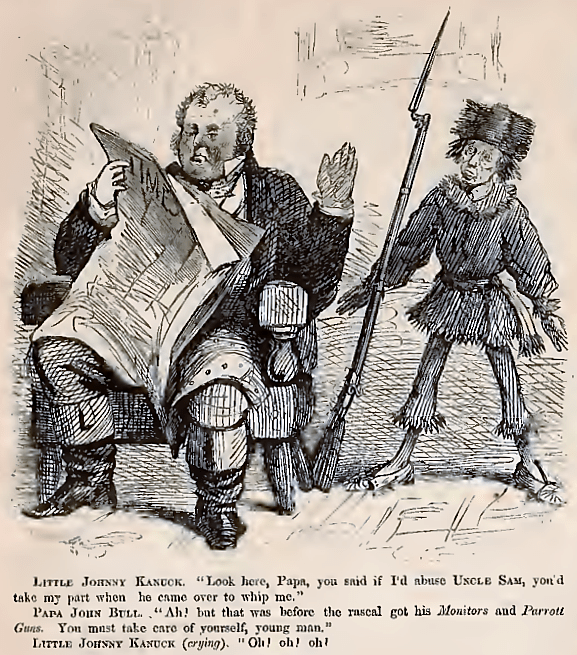
USA, 1858—a personification of the Canadian nation; Canadian people collectively; as a count noun: a Canadian—from ‘Canuck’, meaning Canadian—‘Johnny’ is used with modifying word to designate a person of the type, group, profession, etc., specified
USA, 1973—a suburban mother who spends a lot of time taking her children to play soccer or engage in similar activities—popularised during the presidential election campaign of 1996 as designating an influential voting bloc
Australia, 1834—used in various phrases, in particular as a type of someone or something in a very bad state or condition—also in the phrase ‘all behind like Barney’s bull’, meaning ‘very delayed’ or ‘backward’—origin unknown
a country characterised by absurdity—originally used of Czechoslovakia—the suffix ‘-istan’ (in country names such as ‘Pakistan’) is used as the second element in satirical names denoting, in particular, ‘a country characterised by [the first element]’
suicide committed by a person, especially a child or young adult, as a result of being bullied—blend of the nouns ‘bully’ and ‘suicide’—coined since 2001 on separate occasions by various persons, independently from one another