UK and Ireland—with reference to the fact that Horatio Nelson was blinded in one eye—(1922) ‘until/when Nelson gets his eye back’ is used of a very long time in the future—(1933) the metaphor of Nelson getting his eye back is used of a very small chance of success
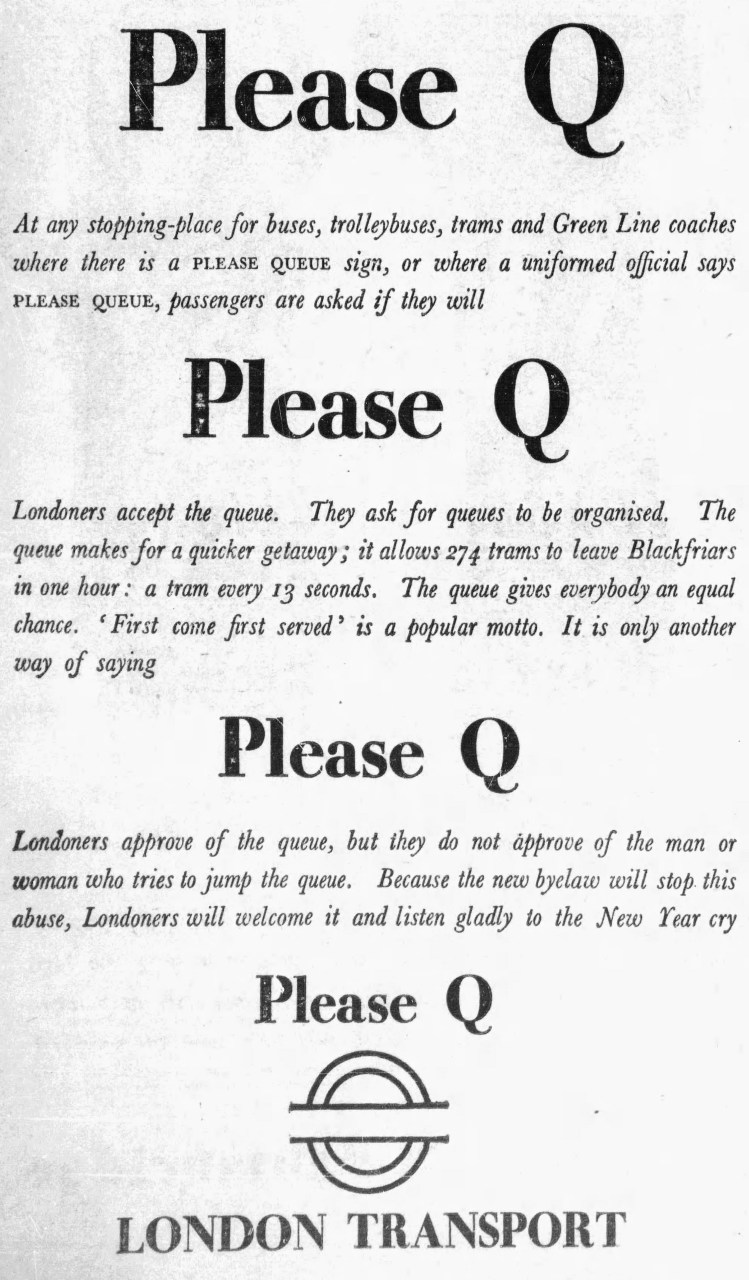
UK, 1920 (‘queue-jumper’)—literally: to push forward out of turn in a queue—figuratively: to obtain unfair priority over others—especially used since the 1930s in relation to compulsory queueing schemes implemented by public-transport authorities
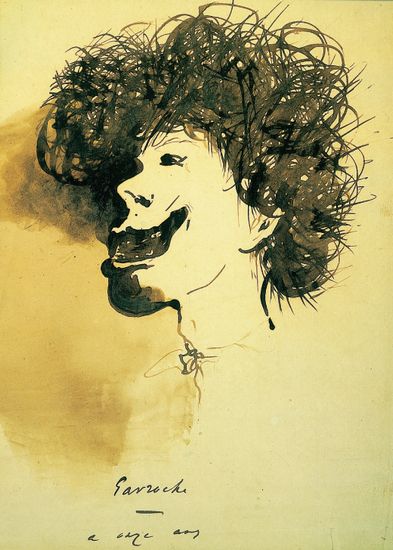
On the pattern of phrases such as ‘nom de guerre’, ‘nom de théâtre’ and ‘nom de plume’, ‘nom de —’ is used, often humorously, to form phrases denoting a pseudonym, an alternative name.
1947—the unauthorised dumping of waste, especially while in the process of transporting it—‘fly’ refers to ‘on the fly’, meaning ‘while in motion or progress’—‘tipping’ is the gerund of the verb ‘tip’, in the sense ‘to dump’
UK, 1972—the offence of taking a car without the owner’s consent, especially for the purpose of joyriding, which was a social phenomenon prevalent in north-eastern England—acronym for ‘taking without owner’s consent’
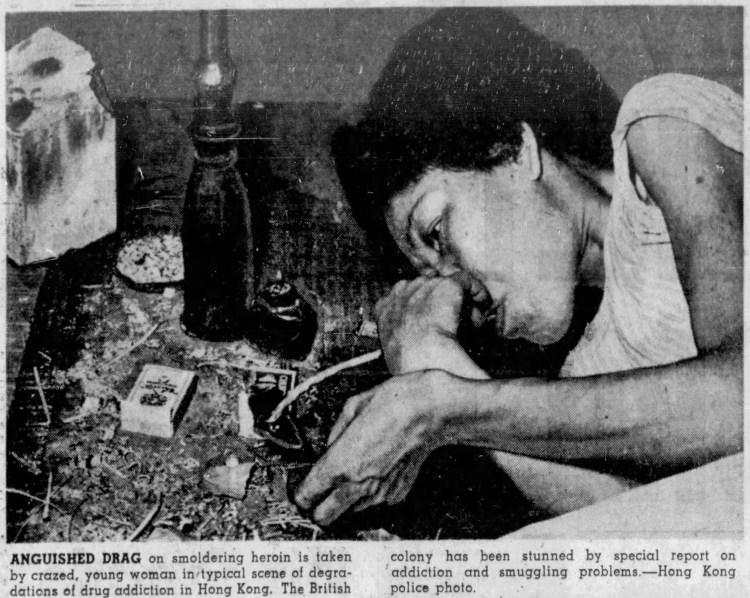
to take heroin by heating it and inhaling the fumes, which form a pattern resembling the tail of a dragon—originated in Hong Kong in the 1950s as a translation of Cantonese slang ‘chui lung’, ‘dragon chasing’
UK, 1836—a person, country, etc., that appears powerful or threatening but is actually weak or ineffective—from Chinese ‘zhǐlǎohǔ’ (‘zhǐ’, paper, ‘lǎohǔ’, tiger)—used in the post-war years by the Chinese Communist Party of the USA and other reactionaries
1909 to 1923 in stories by English author P. G. Wodehouse—a facetious appellation for a home or hospital for people with mental illnesses—‘loony’: shortened form of ‘lunatic’

 word histories