‘Beatlemania’: meaning and early occurrences
UK, 1963—with reference to the Beatles, a pop and rock group from Liverpool: the frenzied behaviour of the Beatles’ admirers; addiction to the Beatles and their characteristics
Read More
“ad fontes!”
UK, 1963—with reference to the Beatles, a pop and rock group from Liverpool: the frenzied behaviour of the Beatles’ admirers; addiction to the Beatles and their characteristics
Read Morevery stupid—popularised by Jethro Tull’s ‘Thick as a Brick’ (1972), but already existed—in early use (19th century) applied to nouns such as ‘skull’ and ‘head’, used metonymically for ‘intelligence’
Read MoreU.S. slang, 1935—a photograph of a person’s face, especially in police or other official records—from ‘mug’ (a person’s face) and ‘shot’ (a single photographic exposure)
Read More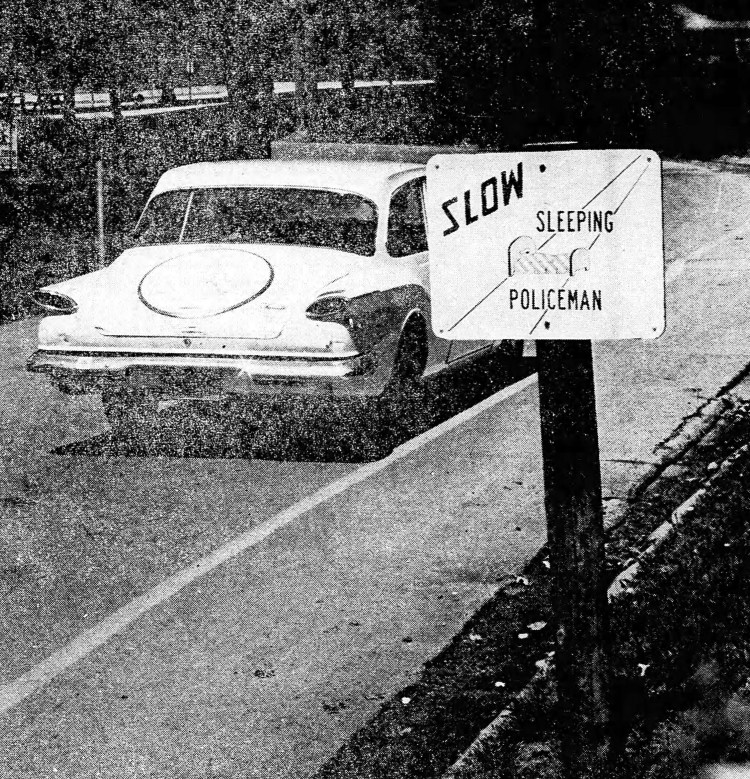
a raised band across a road, designed to make motorists reduce their speed—1961—based on the image of a policeman lying asleep in the middle of a road—in early use often with reference to Jamaica
Read Moreabsenteeism among police officers (and by extension other workers) who claim to be ill but are in fact absent to support union contract demands or negotiations—USA, 1967—alludes to the traditional colour of police uniforms
Read Morein French contexts: a young person, especially a young man, belonging to a youth subculture of the 1950s and 1960s—UK, 1959—from the noun ‘blouson’ (a short jacket) and the adjective ‘noir’ (black)
Read Moreused of a person who likes to observe other people’s activities from his or her window, in a furtive and prying manner—UK and Ireland, 1940
Read MoreUK, 1804—literal meaning: a robbery committed during daylight hours, often characterised as particularly conspicuous or risky—figurative meaning: blatant and unfair overcharging or swindling
Read MoreUK, 1966—a police patrol car having a broad white stripe painted on a dark background—alludes to the black-and-white fur of the giant panda
Read MoreUK, 1972—the nouns ‘granny-bashing’ and ‘granny-battering’ denote: a) the assault or mugging of elderly persons; b) abuse of an elderly member of one’s family, especially one’s grandmother
Read More
