‘flat stick’: meaning and origin
New Zealand, 1970—at full speed—perhaps after ‘flat out’ (i.e., with the maximum speed or effort) and after ‘quicksticks’ (i.e., quickly, without delay)
Read More
“ad fontes!”
New Zealand, 1970—at full speed—perhaps after ‘flat out’ (i.e., with the maximum speed or effort) and after ‘quicksticks’ (i.e., quickly, without delay)
Read MoreUK & Ireland—a shop that sells a wide range of goods at low prices, typically one pound or less—hence also: of the type or quality found in a pound shop, cheap, second-rate
Read Morealso ‘to shoot the red light’, ‘to shoot the amber’, etc.—to drive past a traffic-light when it indicates that one should stop—UK, 1934, as ‘to shoot the lights’
Read Morealso ‘to shoot the red light’, ‘to shoot the amber’, etc.—to drive past a traffic-light when it indicates that one should stop—USA, 1926, as ‘to shoot the yellow’
Read MoreAustralia, 1943—a foolish or silly person—from the synonymous noun ‘dill’ (1933), itself apparently a back-formation from the adjective ‘dilly’, meaning ‘foolish’, ‘silly’
Read Moreindicates that a place or event is one to which guests may or should bring their own alcoholic drink—UK, 1858—USA, 1910—in early U.S. use, often referred to the prohibition of alcohol
Read More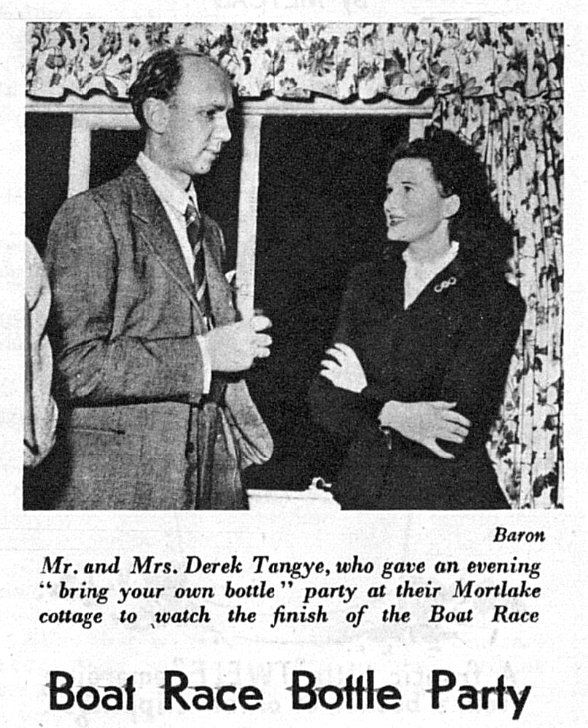
a party to which attendees are encouraged to bring their own drinks, especially alcohol—‘bring-your-own-bottle party’: USA, 1923, in the context of Prohibition—‘bring-a-bottle party’: UK, 1928
Read Moreto hurry up (1849 in Charles Dickens’s David Copperfield); the image is of a skater gliding rapidly over an ice surface—also, in early use (USA, 1886): to get drunk; the rolling gait of a drunk person is likened to the swaying motion of an ice skater
Read MoreUK & Ireland, 2005—the last Friday before Christmas—refers to the high number of fights caused by revellers on that day
Read Morean intelligence operative, also an intelligence operation—UK, 1966—from ‘sneaky’ (furtive, deceitful) and ‘beaky’ (referring to an overly inquisitive person, with allusion to a prominent nose)
Read More
