meaning and origin of ‘on the spur of the moment’
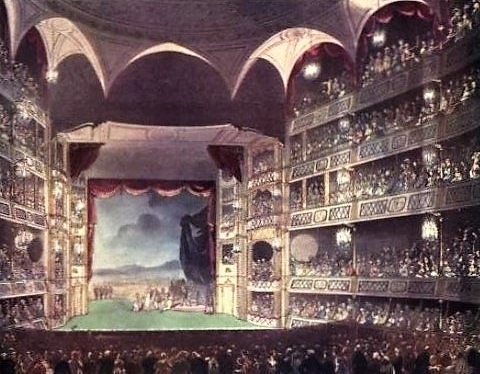
UK, 1784—elaborated on the archaic ‘on the spur’, which meant ‘in great haste’ and referred to the use of spurs to urge a horse forward
Read More
“ad fontes!”
UK, 1784—elaborated on the archaic ‘on the spur’, which meant ‘in great haste’ and referred to the use of spurs to urge a horse forward
Read More
UK, 1826—from the eponymous character played by John Liston in a comedy by John Poole, which premiered at the Haymarket Theatre, London, on 13th September 1825
Read More
UK, 1929—the attitudes, loyalties, values, etc., associated with British public schools—from the distinctive tie that indicates which school the wearer attended
Read More
UK, late 19th cent.—probably a rendering of an Irish patronym, based on stereotypes generated by Irish immigration to Britain and popularised by theatre
Read More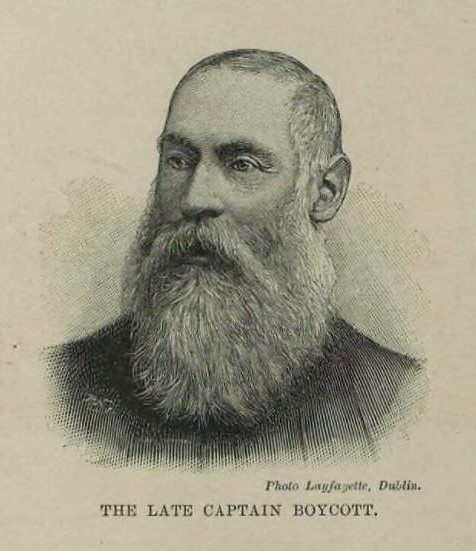
from the name of Captain Charles C. Boycott, land agent in Ireland, who was ostracised for refusing to reduce rents during the Land League agitation in 1880
Read More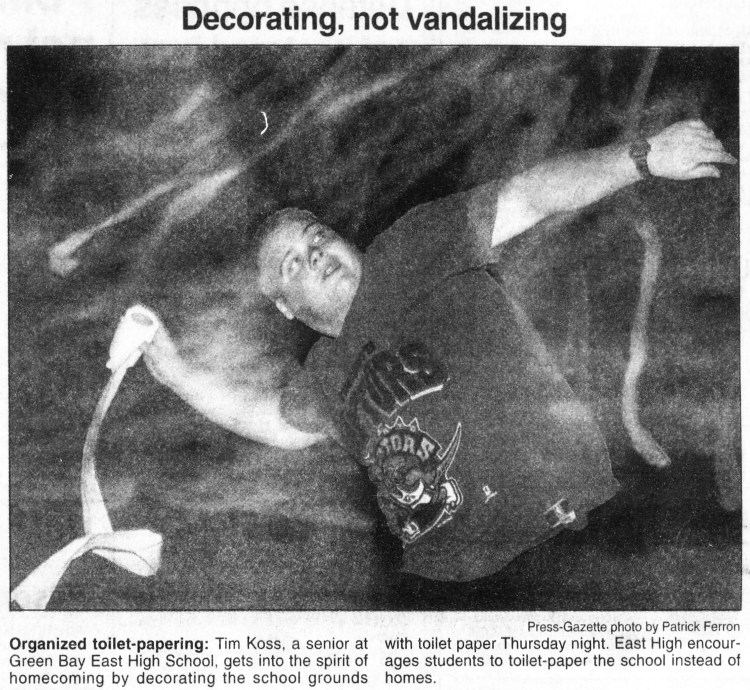
Decorating, not vandalizing Organized toilet-papering: Tim Koss, a senior at Green Bay East High School, gets into the spirit of homecoming by decorating the school grounds with toilet paper Thursday night. East High encourages students to toilet-paper the school instead of homes. from Green Bay Press-Gazette (Green Bay, Wisconsin) of 29th September 1995 […]
Read More
Four’s a Crowd.—A merry, irresponsible farce that dips frequently into pure crazy comedy. For this they have chosen to give Errol Flynn and Olivia de Havilland a “break” from their usual story book hero and heroine types. These two lovely young people do very well, but I cannot think that crazy comedy suits them best. […]
Read More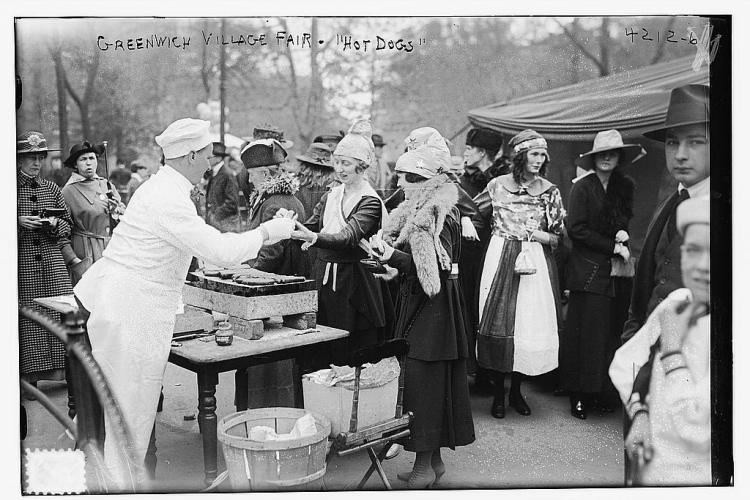
Greenwich Village Fair – “Hot Dogs” – June 1917 photograph: Library of Congress The term hot dog denotes a sausage, especially a frankfurter, served hot in a long roll split lengthways. In US slang, the noun dog has been used to denote a sausage since the late 19th century. This usage is first recorded […]
Read MoreThe phrase money for old rope has various meanings: a profitable return for little or no trouble; a very easy job; a person or thing easy to profit from or to beat. The earliest occurrence of this phrase that I have found is from Driffield Coursing Club. “Peter Delmas” in the genial crowd, published in The Daily Mail (Hull, Yorkshire, England) […]
Read MoreIn the chapter Our lunatic contributor of Words and names (1933), the British philologist Ernest Weekley (1865-1954) wrote: The correspondence columns of our middlebrow weeklies and of our two Sunday papers are the happy hunting-ground of the amateur etymologist. A few years ago he published the discovery that ‘nap,’ ‘a short sleep,’ was derived from Napoleon’s power of sleeping […]
Read More
