Australia, 1884—designates the adjective ‘bloody’ used as an intensifier—although ‘bloody’ is used as an intensifier in other countries, its widespread use in Australia is seen as characteristic of this country
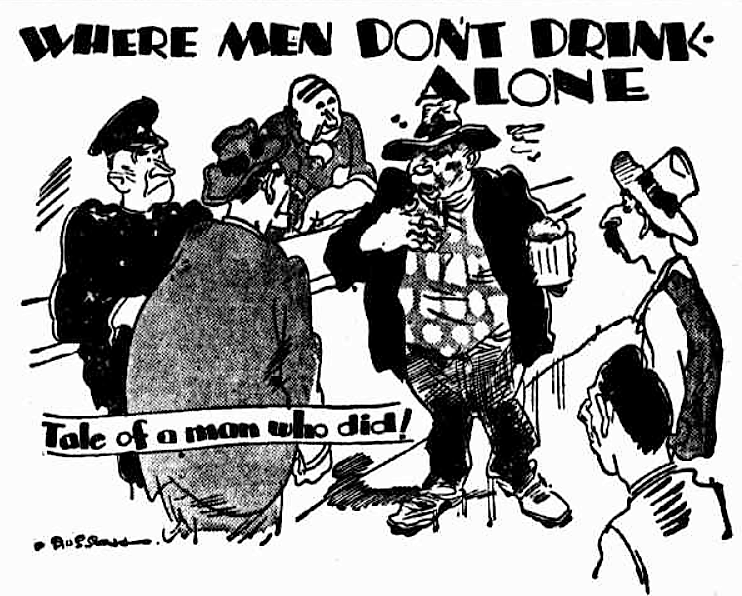
Australia, 1898—to drink by oneself in a public house, which is regarded as an unsociable attitude—the image is that the solitary drinker has no other companions than the flies
Australia, 1964—‘Emma Chisit’: ‘how much is it?’ (allegedly coined by English author Monica Dickens, who reportedly misunderstood the question posed by an Australian)—‘Strine’: Australian pronunciation of ‘Australian’ (coined by Australian author Alistair Morrison)
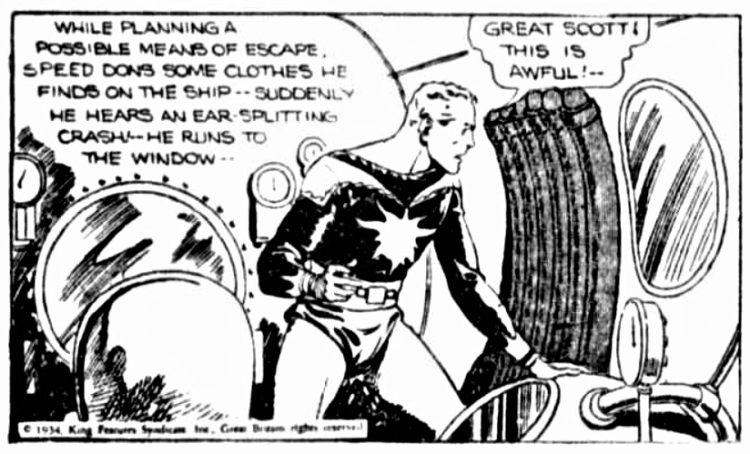
Australia, 1938—beset with extraordinary difficulties—refers to Speed Gordon, the Australian name of Flash Gordon, the hero of the eponymous space-opera comic strip first published in 1934
Australia, 1830—refers to the Aboriginal belief that light-skinned persons are reincarnations of dead Aborigines—extended forms: ‘jump up white fellow, plenty of sixpence’ and ‘go down blackfellow and jump up whitefellow’
Australia, 1941—used of any adverse situation—based on the rhyme between ‘crook’ (meaning ‘bad’, ‘unpleasant’, ‘unsatisfactory’) and ‘Tallarook’, the name of a town in Victoria—sometimes followed by ‘there’s no work in Bourke’
Australia—to test somebody’s fortitude; to put pressure on somebody—coined in 1983 by Neville Wran, Premier of New South Wales, to characterise the inexperience of Nick Greiner, the newly elected Leader of the Opposition
Australia—used to express unluckiness or unhappiness—first recorded in The Four-legged Lottery (1958), by Australian novelist Frank Hardy, who later often reused it
Irish English, 1834—extremely cold, literally (i.e., with reference to low temperatures) and figuratively (i.e., with reference to lack of feeling, of emotion)
UK 1945: ‘as lucky as the pox doctor’s clerk’: very lucky—UK 1954, ‘to look like a pox doctor’s clerk’, Australia 1957, ‘done up like a pox doctor’s clerk’: dressed nattily but in bad taste

 word histories