‘Malabar Hilton’: meaning and early occurrences
Australia, 1982—a familiar name given to the Long Bay Correctional Complex, a correctional facility located in Malabar, Sydney, New South Wales
Read More
“ad fontes!”
Australia, 1982—a familiar name given to the Long Bay Correctional Complex, a correctional facility located in Malabar, Sydney, New South Wales
Read MoreAustralia, 1973—used of anything that is absolutely unacceptable, and of any disagreeable situation or experience—‘Jap’: derogatory shortening of ‘Japanese’—Anzac Day: commemoration of the landing of the Australian and New Zealand Army Corps in the Gallipoli Peninsula in 1915
Read More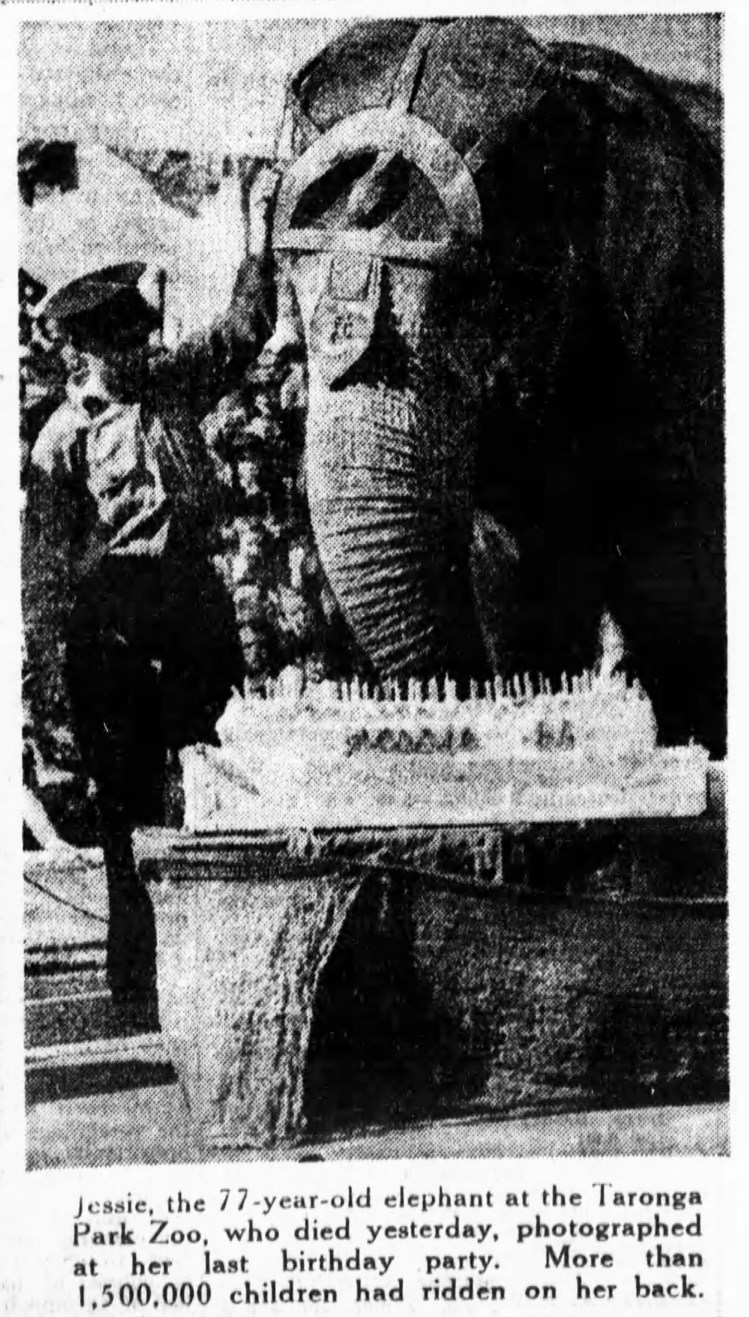
Australia, 1919—an excess of effrontery—puns on two meanings of ‘hide’ (the skin of an animal – effrontery) and refers to ‘Jessie’, the name of an elephant that was kept in the zoological gardens of Sydney, New South Wales
Read MoreUK, 1890—USA, 1899—the humorous phrase ‘the nineteenth hole’ denotes the bar room in a golf clubhouse, as reached at the end of a standard round of eighteen holes
Read MoreUSA, 1936—the facts about sexual reproduction, especially as explained to a child—when this phrase appeared, ‘birds’ and ‘bees’ had long been commonly paired in literary allusions
Read More1980s—to become wildly or explosively angry; to become highly excited or enthusiastic; to intensify rapidly and especially alarmingly—refers to the failure of a guided missile’s guidance system (1966)
Read MoreUK, 1828—sleep, especially taken before midnight, assumed to be necessary to keep one looking healthy and attractive; any extra sleep—sleep taken before midnight is popularly thought to be most restful
Read MoreUSA, 1953—value for money, return on an investment—originally used of military spending on nuclear weapons—‘bang’ denotes a nuclear explosion, ‘buck’ denotes a dollar
Read MoreUSA—‘asphalt jungle’ 1920—‘concrete jungle’ 1924—designate a city or urban area which has a high density of large, unattractive, modern buildings and is perceived as an unpleasant living environment
Read MoreUK, 1847—obviously not present where one/it should be—popularised in 1859 by the British statesman John Russell—alludes to the Annals, Book III, 76, by the Roman historian Tacitus
Read More
