‘spit and sawdust’: meaning and origin
UK, 1928—of a public-house: very basic and lacking in comforts—refers to the former practice of covering the floor of a public-house with sawdust into which customers spat
Read More
“ad fontes!”
UK, 1928—of a public-house: very basic and lacking in comforts—refers to the former practice of covering the floor of a public-house with sawdust into which customers spat
Read More1914—the colloquial British-English phrase ‘to pop one’s clogs’ means ‘to die’—while ‘clog’ designates a shoe with a thick wooden sole, the acceptation of the verb ‘to pop’ is obscure
Read MoreUK, 1844—extreme meanness never made anyone better off—compare Book of Proverbs, 11:24: “There is one who scatters, yet increases more; and there is one who withholds more than is right, but it leads to poverty.”
Read More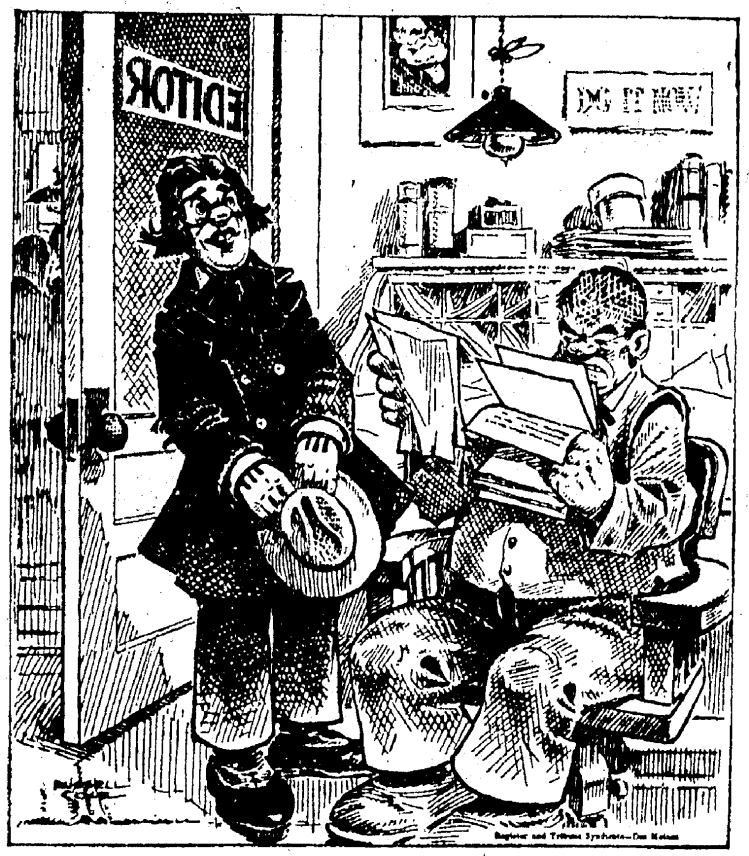
USA, 1905—a situation that is likely to lead to disaster or misfortune, especially because of negligence or neglect; someone who behaves in a way that is likely to cause trouble
Read More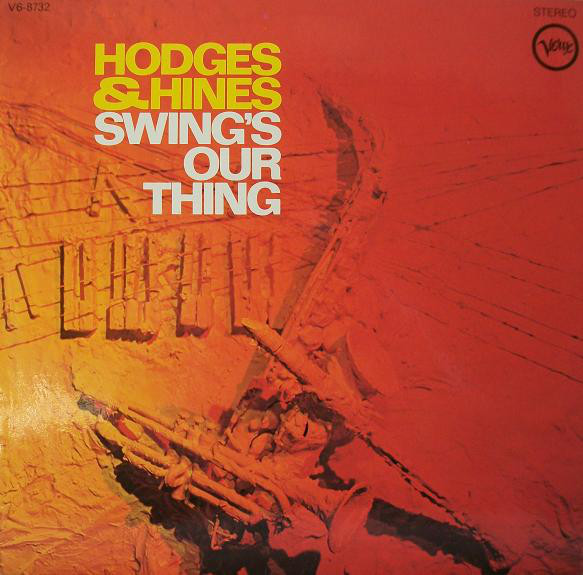
USA, 1967—emphatic negative phrase meaning ‘well, hardly’ or ‘no, that’s impossible’—used as the title of a jazz piece composed by Johnny Hodges—said to be a folk phrase that he had heard “out West”
Read MoreUSA, 1976—the outcome of a situation cannot be assumed—may allude to the stereotype of a large female soprano singing the final aria of an opera—from ‘church ain’t out ’till the fat lady sings’ (1976), itself from ‘church ain’t out until the singing is over’ (1872)
Read Morecolloquial, Australia, 1910—‘the night’s (only) a pup’, or ‘the day’s (only) a pup’, means the night, or the day, is young—refers to ‘pup’ in the sense of a young dog
Read MoreAustralia, 1951—used of someone who has departed and left no indication of their present whereabouts—purportedly from the story of one Malley, who was told by his boss to hold a cow; on the boss’s return, the cow had disappeared, and Malley said “She’s a goner!”
Read MoreAustralia, 1960—very fit and well, in robust health—the image is of a bull strengthened by his living in one of the semi-desert areas of Australia in which the principal vegetation is mallee, i.e., low-growing bushy eucalyptus
Read MoreUSA, 1872—the first clause refers to accurate calculations, the second punningly refers to the manipulation of those calculations—based on the figure called chiasmus, i.e., in which the order of words in the first clause is inverted in the second
Read More word histories