‘unshirted hell’: meaning and origin
‘serious trouble’—USA, 1866—from the image of taking off one’s shirt before getting into a fight, and from ‘hell’ in the sense of ‘a severe reprimand’, as in ‘to give someone hell’
Read More
“ad fontes!”
‘serious trouble’—USA, 1866—from the image of taking off one’s shirt before getting into a fight, and from ‘hell’ in the sense of ‘a severe reprimand’, as in ‘to give someone hell’
Read Moreused of a person who is frozen with fright or surprise, or is trying to flee, as a result of suddenly becoming the focus of attention—alludes to the habit of deer and rabbits of stopping still when dazzled by the headlights of a motor vehicle, or of running away within the headlight beam
Read MoreUK, 1934—used of a person regarded as physically unattractive or sexually undesirable
Read MoreUK (Midlands), 1939—exclamative phrase used to express astonishment or incredulity—the reason that this metaphor was chosen is unknown
Read Moreto refuse to face up to unpleasant or awkward realities—refers to the practice traditionally attributed to the ostrich of thrusting its head into the sand when being overtaken by pursuers, supposedly through an incapacity to distinguish between seeing and being seen
Read More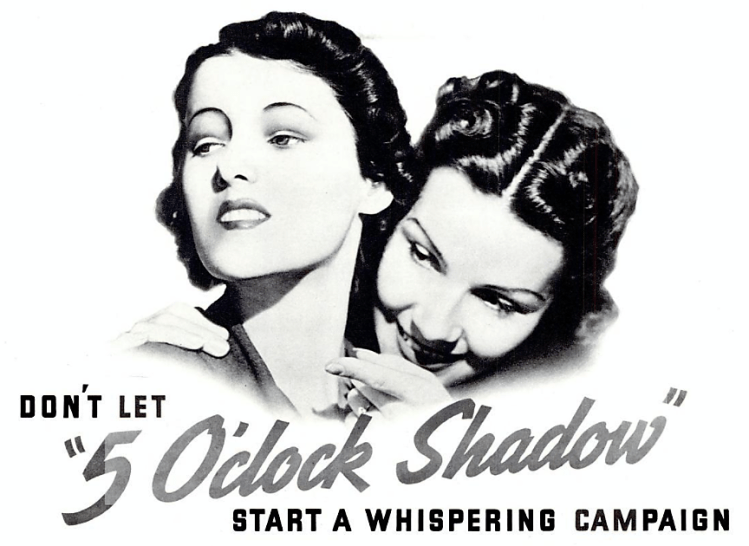
the beard growth which becomes visible in the late afternoon on the face of a man who has shaved earlier in the day—originally (USA, 1937) the catchline of an advertising campaign for Gem Micromatic Razor and Blades
Read MoreUSA, 1888—used as a way of telling someone that they will have to accept a situation they do not like because they have no choice—the noun ‘titty’ denotes a teat, and, in the phrase, the image is of sucking a tough teat
Read MoreUK, 1872—meaning: ‘it would be good if something (stated or implied) were true or likely, but it is not’
Read Moreto do or say something which causes trouble, controversy or upset—first occurs (1841 & 1843, Yorkshire, northern England) in quotation marks, which indicates that it was already in common usage
Read More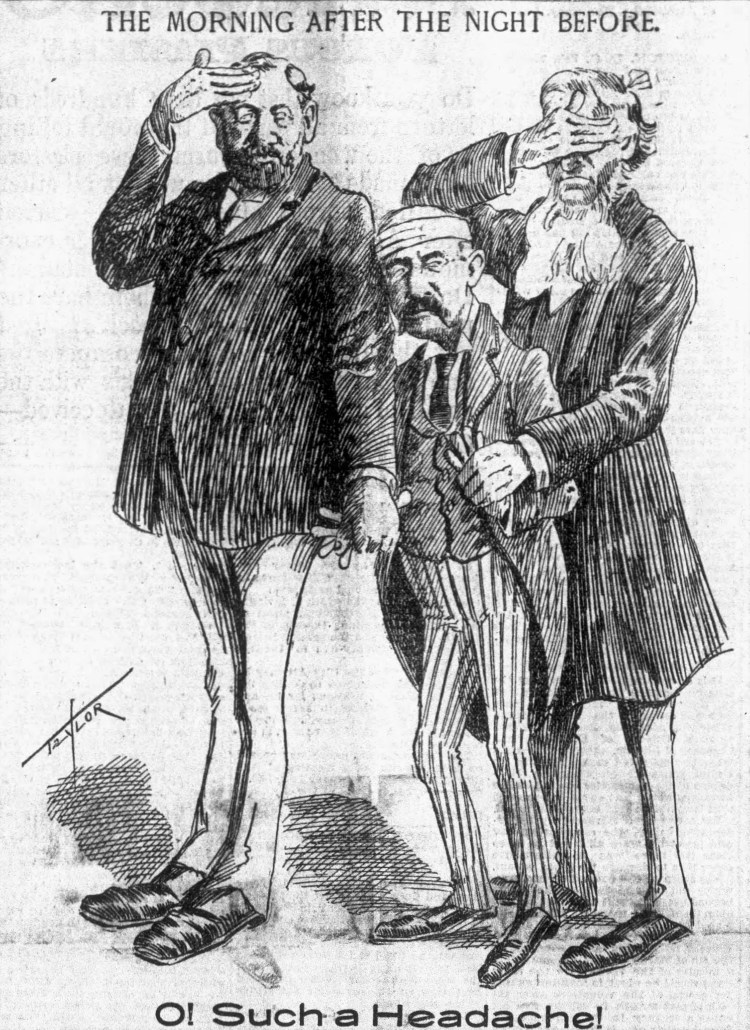
UK, 1860—the morning after an evening of drinking, when one has a hangover—in extended use: the morning after any night of excessive revelry
Read More word histories