the liturgical origin of ‘Quasimodo’

in full ‘Quasimodo Sunday’: the Sunday after Easter—from the opening words of the Latin introit for that day, ‘quasimodo geniti infantes’, ‘as newborn babies’
Read More
“ad fontes!”
in full ‘Quasimodo Sunday’: the Sunday after Easter—from the opening words of the Latin introit for that day, ‘quasimodo geniti infantes’, ‘as newborn babies’
Read MoreUK, 1891—‘to take the mickey (or ‘the mike’) out of’: ‘to tease or ridicule’—probably after ‘Mickey (or ‘Mike’) Bliss’, rhyming slang for ‘piss’
Read More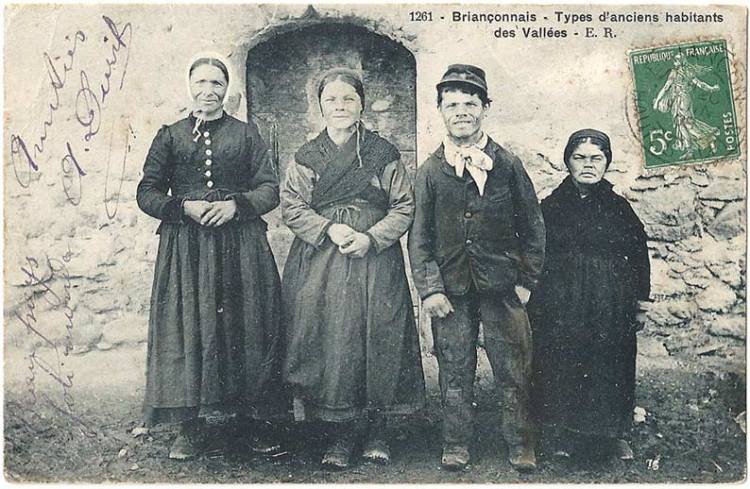
Swiss-French ‘crestin’ (= ‘Christian’): in certain valleys of the Alps, a mentally deficient, deformed person suffering from a congenital thyroid deficiency
Read More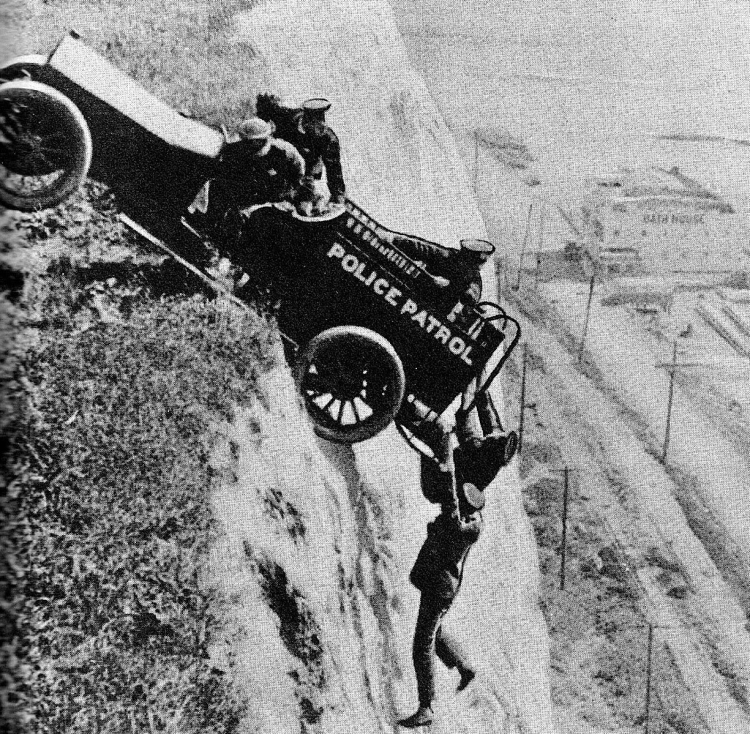
In cinematography, ‘to cut to the chase’ is to cut to a chase scene, hence to cut to an interesting or fast-paced part of a film, deleting less exciting scenes.
Read More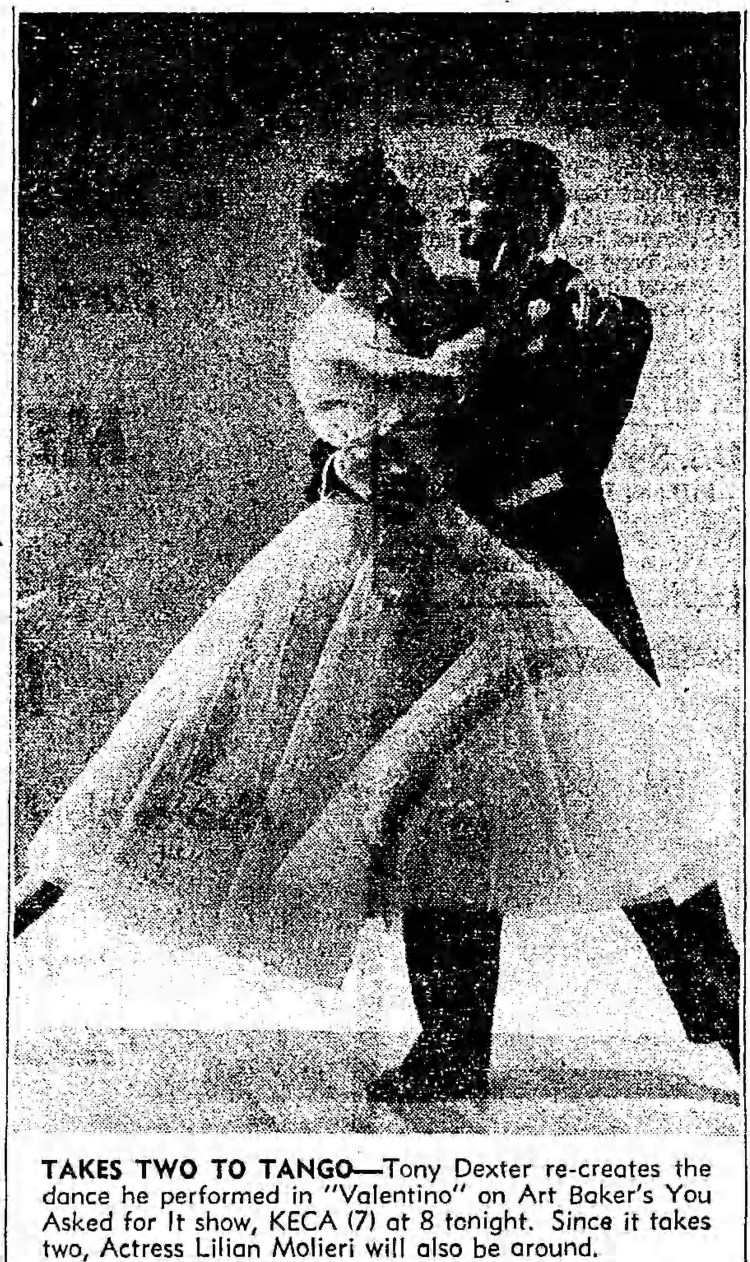
both parties involved in a situation or argument are equally responsible for it—USA, 1952—from ‘Takes Two to Tango’ (1952), a song by Hoffman and Manning
Read More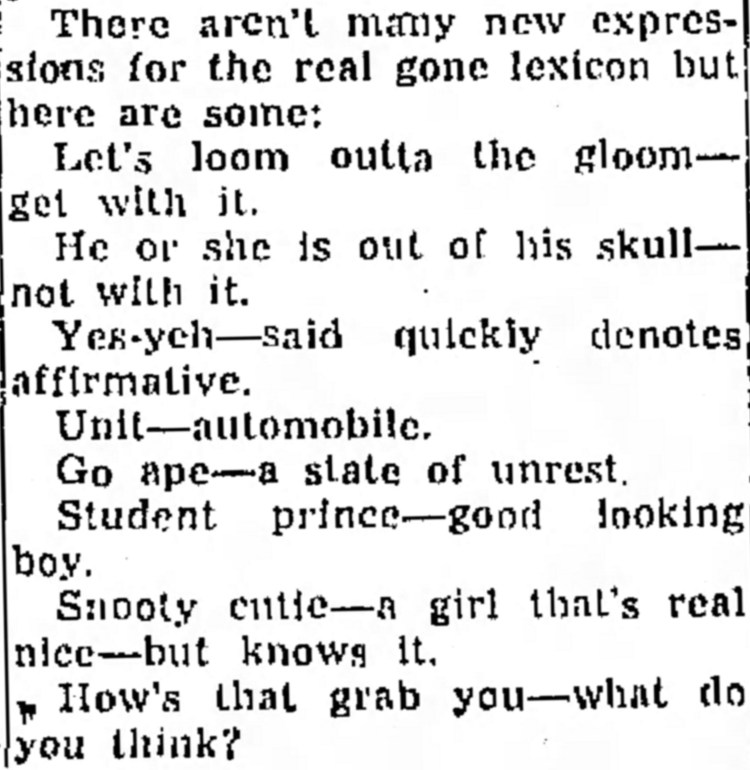
USA—‘not part of a particular exclusive group’, 1955—‘out of one’s mind’, 1958—‘smashed out of one’s skull’ (= ‘drunk’, 1963)—‘bored out of one’s skull’, 1967
Read Morefrom Job, 19:20—this verse, and particularly the Hebrew verb form immediately preceding ‘bĕʿōr šinnāi’ (‘with the skin of my teeth’), are of uncertain meaning
Read More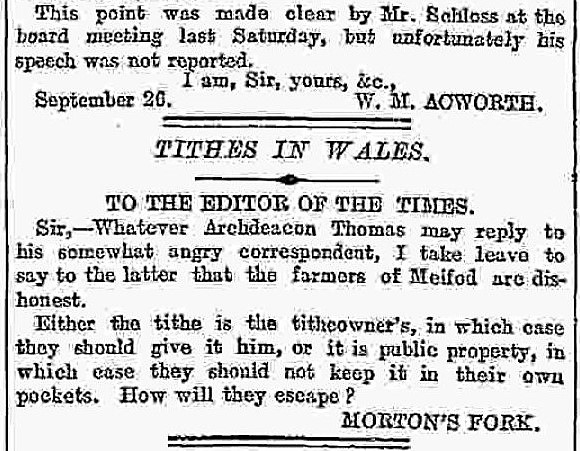
an argument said to have been used by John Morton in levying forced loans: a person living well was obviously rich; one living frugally must have savings
Read More
from Speed the Plough (1798), by Thomas Morton; Dame Ashfield is constantly fearing to give occasion for the sneers of Mrs Grundy, her unseen neighbour
Read More
‘something new can only be judged to be good or bad after it has been tried or used’ (‘proof’ = ‘test’)—1623, in Remaines, concerning Britaine, by W. Camden
Read More
