the phrase ‘to spend money as if it were going out of fashion’
British and Irish—to spend money as if it were worthless or soon to become so—first (from 1962 onwards) as a misogynistic cliché hammered by the Liverpool Echo
Read More
“ad fontes!”
British and Irish—to spend money as if it were worthless or soon to become so—first (from 1962 onwards) as a misogynistic cliché hammered by the Liverpool Echo
Read More
1941—expresses exasperation or derision at a clumsy, erratic or idiotic person—popularised by Jimmy Clitheroe in his radio programme The Clitheroe Kid (1958-72)
Read More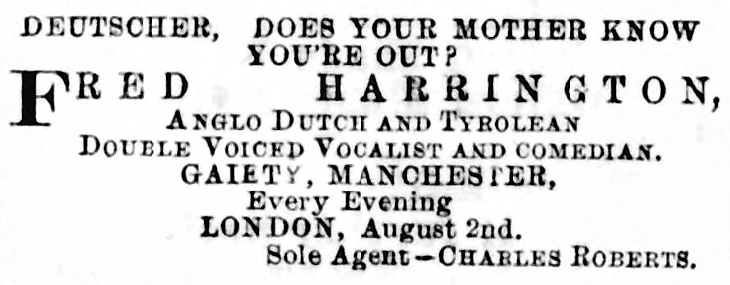
Irish English, 1836—mocking or condescending question addressed to a person whose behaviour is regarded as puerile or inappropriate
Read More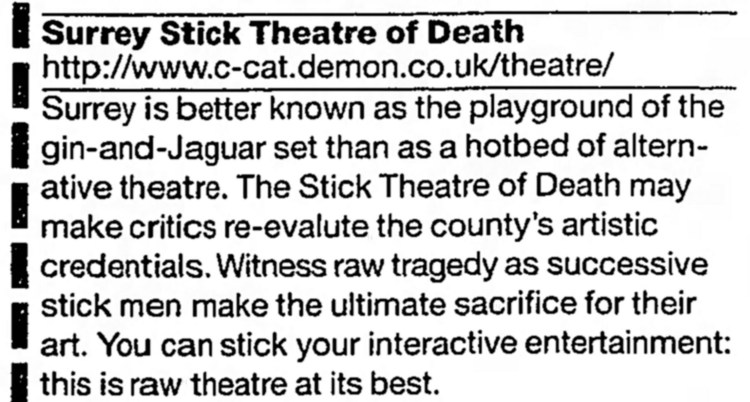
1963—refers to the wealthy English middle-class people, characterised as drinking gin and driving luxury cars such as Jaguars, and to the areas where they live
Read More
USA, 1936—serves as a mnemonic for remembering to set the clocks when daylight-saving time comes into effect and when it ends
Read More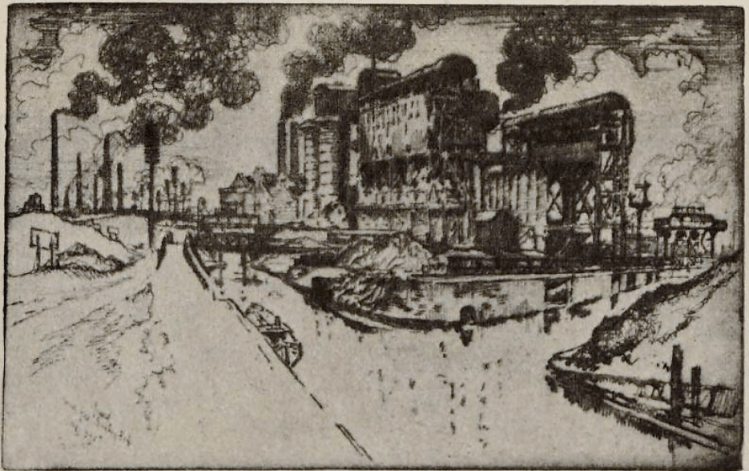
UK, 1913—industrial mills—working places characterised by dehumanising forms of labour—from ‘And did those feet in ancient time’, by the English poet William Blake
Read More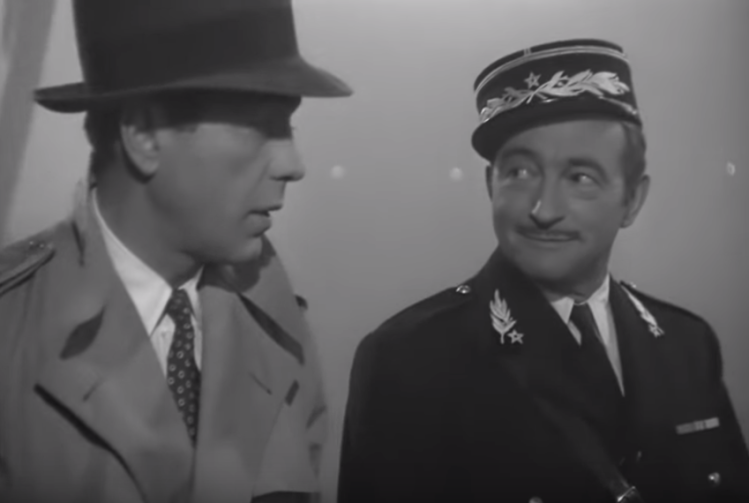
USA, 1932—originally used of the impunity enjoyed by gangsters when one of them was murdered—therefore, did not originate in the 1942 film Casablanca
Read More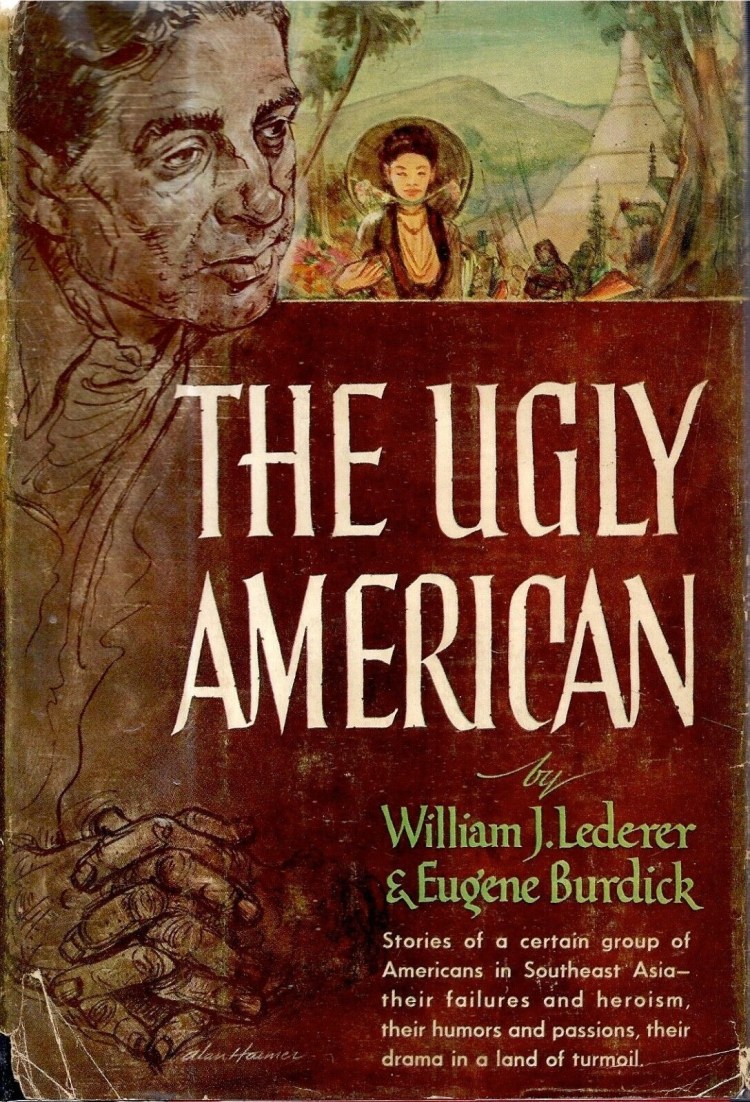
USA, 1958—an American who behaves offensively abroad—refers to The Ugly American, a 1958 novel denouncing the U.S. Foreign Service in Southeast Asia
Read More
UK, 1985—the blue flashing lights and two-tone siren used on an emergency vehicle when responding to an incident; by extension, the emergency services
Read More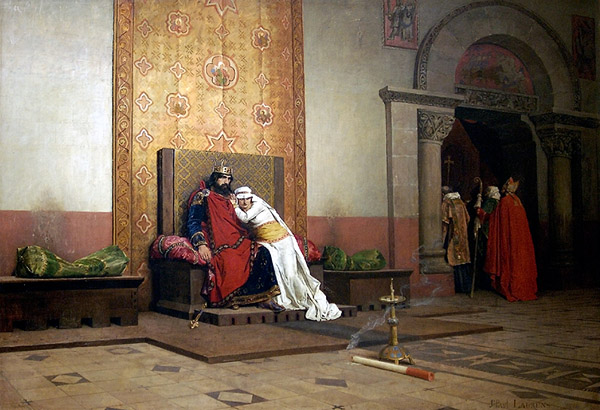
14th century—a form of excommunication from the Catholic Church—by extension any process of condemnation carried out thoroughly
Read More
