‘to be saved by the bell’ – ‘être sauvé par le gong’
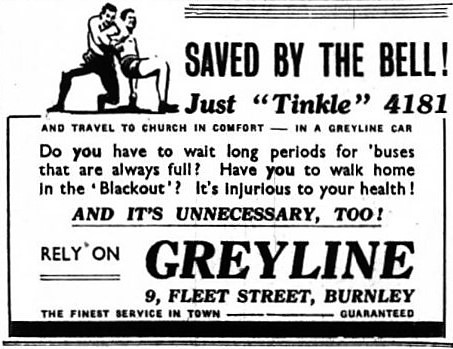
‘rescued from a difficult situation by a timely intervention’, from (in boxing) ‘saved from being counted out by the ringing of the bell at the end of a round’
Read More
“ad fontes!”
‘rescued from a difficult situation by a timely intervention’, from (in boxing) ‘saved from being counted out by the ringing of the bell at the end of a round’
Read More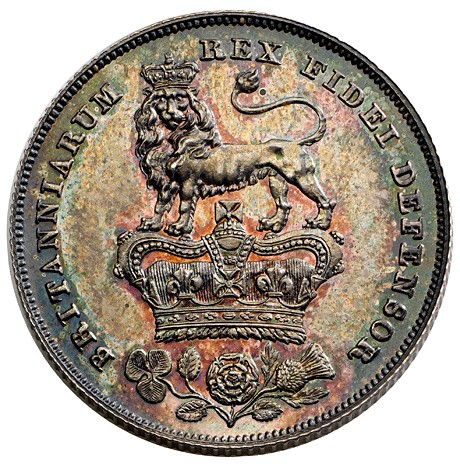
UK, 1707—‘to take the (King’s/Queen’s) shilling’: to sign up as a soldier, from the former practice of giving a shilling to a recruit when he enlisted
Read MoreUK (early form: 1763): a fanciful bet wagering the wealth that is available in Lombard Street—a centre of London banking—against something of trifling value
Read MoreUS, 1898: ‘to know one’s onion’ (in the singular), to be very knowledgeable about something — French, 1897: ‘c’est mes oignons’, it’s my own business
Read More
‘the answer to a maiden’s prayer’—primary meaning (USA, 1926): ‘an eligible bachelor’—hence, in extended use, ‘a miracle solution’
Read More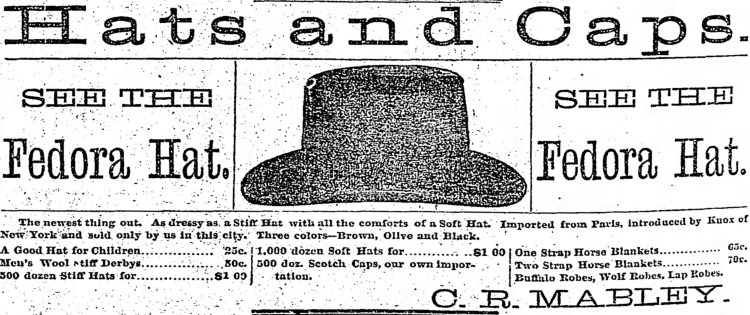
US, 1883—from the craze generated by ‘Fédora’, an 1882 drama by Victorien Sardou and the name of its heroine, played in early productions by Sarah Bernhardt
Read Moreprobably from Latin ‘Mater Cara’ or Italian ‘Madre Cara’, ‘dear mother’, i.e. the Virgin Mary, believed by sailors to send the petrel as a harbinger of storms
Read More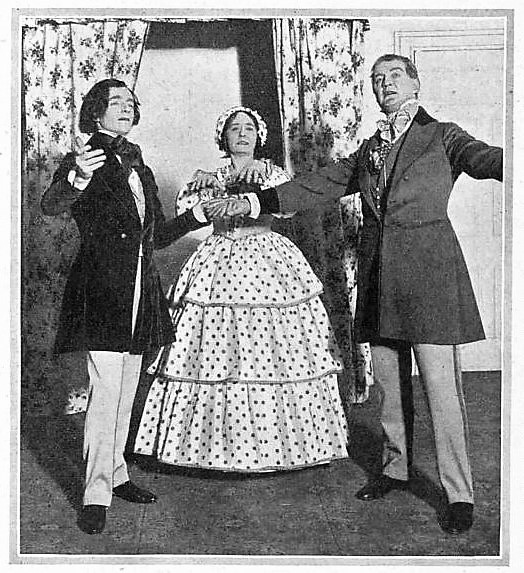
from the name of an 1847 farce in which a landlady lets out, unbeknown to them, the same room to two tenants, Box and Cox, the one by day, the other by night
Read MoreThe term old chestnut denotes a joke, story or subject that has become tedious and uninteresting through constant repetition. Here, the adjective old is simply an intensifier of the noun. The figurative use of chestnut originated in American-English theatrical slang. Diary of a Daly Débutante: being passages from the journal of a member of Augustin Daly’s […]
Read Moreadvertisement for Blotto brothers’ triporteurs Le Jardin des Modes nouvelles – 15th October 1913 The adjective blotto, which means drunk [however, cf. note 1], originated in British military slang during the First World War. It is first recorded in this sense in the chapter Slang in a War Hospital of Observations of an Orderly: […]
Read More word histories