The literal meaning of ‘rocket science’ (USA, 1930) is the science of rockets and rocket propulsion—in the 1980s, in connexion with sports, it came to be used ironically as a generic term for anything requiring a high level of intelligence or expertise.
1794—from French ‘terroriste’ (1794): during the French Revolution, adherent or supporter of Robespierre’s faction, who advocated and practised the Terror (methods of partisan repression and bloodshed in the propagation of the principles of democracy and equality)
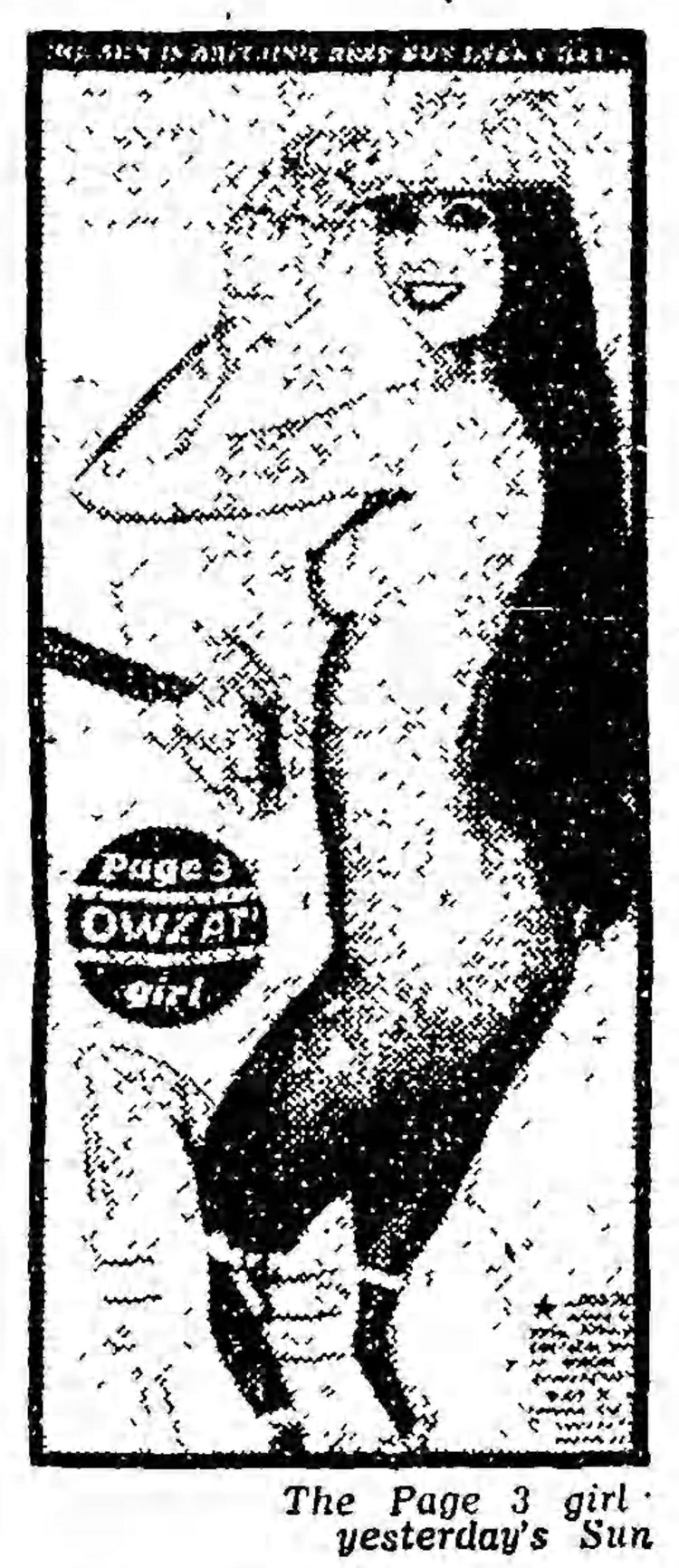
British English—‘Page Three’, or ‘Page 3’: a feature which appeared daily on page three of the British tabloid The Sun (London), and included a pin-up picture of a topless or nude young woman; this feature first appeared on 17 November 1970.
UK, 1819—specifically invented to qualify the English poet and critic William Gifford with reference to the fact that he had been a shoemaker’s apprentice—alludes to the proverb ‘let the cobbler stick to his last’ from Pliny’s Natural History (AD 77)
USA, 1956—acronym from ‘white Anglo-Saxon Protestant’—‘Wasp’, or ‘WASP’: a person who belongs to, or is thought of, as being part of a white, upper middle-class, northern European, Protestant group that dominates economic, political and cultural activity in the USA
The phrase ‘boys in the backroom’, or ‘backroom boys’, appeared in the 1920s as a U.S. political term denoting persons exercising a surreptitious influence. The Oxford English Dictionary is therefore mistaken in saying that it originally denoted, in 1941, persons engaged in research.
‘Backward in coming forward’ means ‘reluctant, shy to do something’. The earliest instances that I have found are about funds set up in order to provide aid to soldiers wounded during the Napoleonic Wars.
Bing Crosby popularised ‘pennies from heaven’ in the 1936 film and song of the same name, but the phrase already existed; and Abraham Burstein, rabbi and author, had used ‘pennies falling from heaven’ in The Ghetto Messenger in 1928.
From Japanese ‘taikun’, ‘tycoon’ was originally the title by which the shogun of Japan was described to foreigners. The current sense originated in the Japanese Embassy to the United States in 1860, not from the use of ‘tycoon’ as a nickname of Abraham Lincoln.
Of American-English origin, ‘bag lady’, or ‘shopping-bag lady’, denotes a homeless woman, often elderly, who carries her possessions in shopping bags. The earliest instance that I have found is from The Pocono Record (Stroudsburg, Pennsylvania) of 19th June 1971.