original meaning of ‘bulldozer’: a racist bully
U.S., 1876—‘bulldozers’: members or supporters of the Democratic Party who used threats and acts of violence in order to prevent Afro-Americans from voting for Republican candidates
Read More
“ad fontes!”
U.S., 1876—‘bulldozers’: members or supporters of the Democratic Party who used threats and acts of violence in order to prevent Afro-Americans from voting for Republican candidates
Read MoreItalian translation of Latin ‘in pectore’ (‘in the breast’, ‘in the secret of the heart’)—when a pope announces that he has appointed a cardinal whom he reserves ‘in petto’, it means that he will reveal this cardinal’s name later
Read MoreUK, early 19th century—private property taken from an enemy in war—originally an Anglo-Indian noun, from Hindi ‘lūṭ’, from Sanskrit ‘luṇṭh-‘, ‘to rob’—came to be also used as slang for ‘money’ and to also denote ‘wedding presents’
Read MoreThe name ‘Quorn’ was first registered as a trademark—for certain edible products other than meat substitutes—by the Quorn Specialities Company of Leicester, England, in 1914. The meat substitute was subsequently developed by the successors of this company.
Read Moremi-17th century—probably from ‘hand in (the) cap’, used of a sort of game in which players put forfeit money in a cap and then drew from it—later applied to a race between two horses (the better of which carried extra weight), arranged by such rules
Read MoreBritish English, first recorded, apparently as army slang, in 1945—probably from ‘bonk’ (= a blow on the head) and the suffix ‘-ers’ as in ‘ravers’ (from ‘raving mad’) and ‘starkers’ (from ‘stark mad’)
Read MoreThe literal meaning of ‘rocket science’ (USA, 1930) is the science of rockets and rocket propulsion—in the 1980s, in connexion with sports, it came to be used ironically as a generic term for anything requiring a high level of intelligence or expertise.
Read More1794—from French ‘terroriste’ (1794): during the French Revolution, adherent or supporter of Robespierre’s faction, who advocated and practised the Terror (methods of partisan repression and bloodshed in the propagation of the principles of democracy and equality)
Read More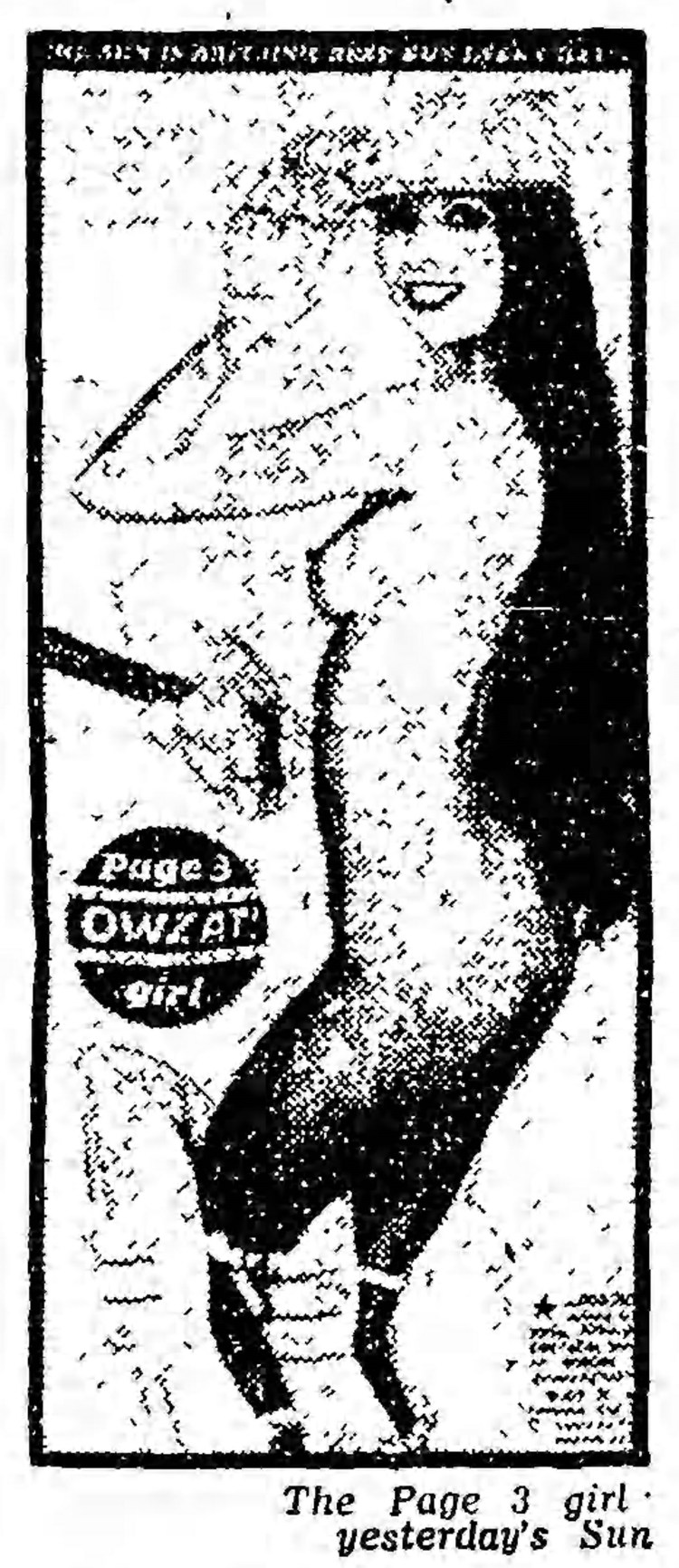
British English—‘Page Three’, or ‘Page 3’: a feature which appeared daily on page three of the British tabloid The Sun (London), and included a pin-up picture of a topless or nude young woman; this feature first appeared on 17 November 1970.
Read MoreUK, 1819—specifically invented to qualify the English poet and critic William Gifford with reference to the fact that he had been a shoemaker’s apprentice—alludes to the proverb ‘let the cobbler stick to his last’ from Pliny’s Natural History (AD 77)
Read More
