‘as camp as a row of tents’: meaning and early occurrences
1951—with pun on the noun ‘camp’ (i.e.: encampment): extremely camp (i.e.: ostentatiously and extravagantly effeminate; deliberately exaggerated and theatrical in style)
Read More
“ad fontes!”
1951—with pun on the noun ‘camp’ (i.e.: encampment): extremely camp (i.e.: ostentatiously and extravagantly effeminate; deliberately exaggerated and theatrical in style)
Read Morea word in confidence—UK, 1927—‘shell-like’ elliptical for ‘shell-like ear’, which was originally a poetical term associating the shape of the external ear with the graceful convolutions of a small pink seashell
Read More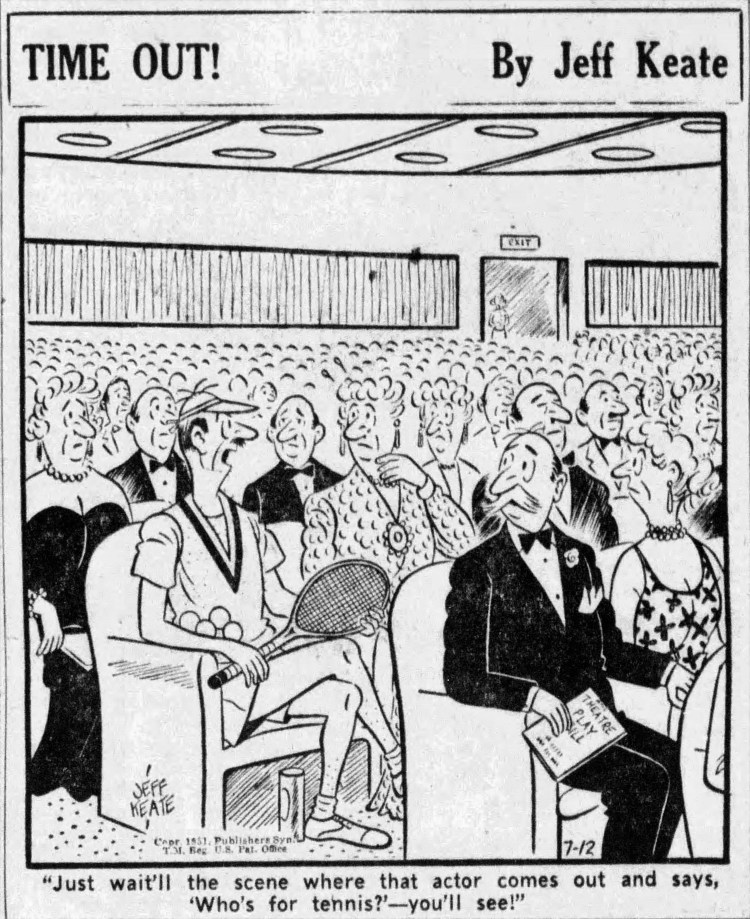
theatre—a typical entrance or exit line given to a young man in a superficial drawing-room comedy—USA 1934—but 1908 in a short story evoking the pastimes of members of the leisured class during a stay at a country house
Read MoreAmerican English, 1823—meaning: if one is falsely reputed to act in a specific manner, then one may as well act in that manner
Read Moredirty fingernails—1906—British and Irish English—but the comparison between the dirt edging the fingernails and the black border edging mourning paper dates back to the 19th century
Read MoreUK, 1898—Australia, 1913—used when, while addressing someone, the speaker is interrupted by someone else—in particular when the person who interrupts is a subordinate of the person whom the speaker addresses
Read More
refers to “All right, have it your own way—you heard a seal bark”, the caption to a drawing by James Thurber, originally published in The New Yorker of 30th January 1932
Read MoreUSA, 1909—a derogatory description of a specific place or occupation, typically used by somebody who is getting expelled from this specific place or occupation
Read More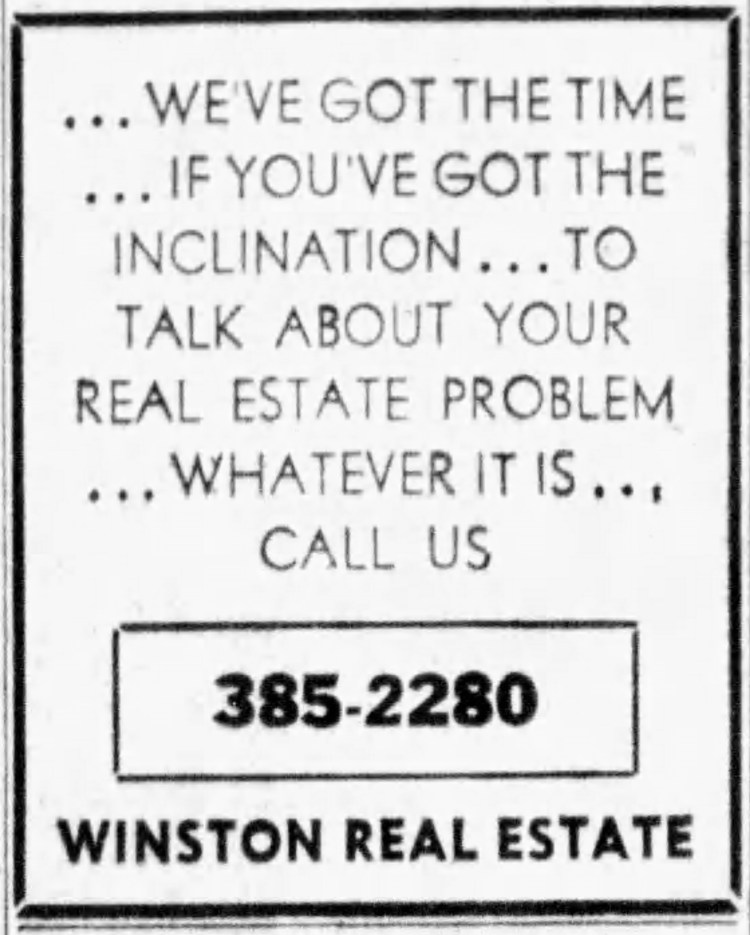
Seems to have originated in a joke, first recorded in 1955, in which the Tower of London says to the Leaning Tower of Pisa: “I’ve got the time and you’ve got the inclination.”
Read More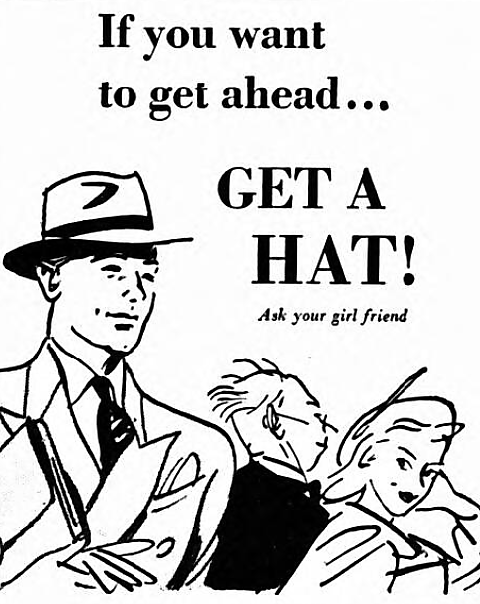
one must wear a hat in order to become successful in one’s life or career—originally the slogan for an advertising campaign organised in 1948 by the British hat-manufacturers when hat-wearing began to decline
Read More
