‘sneaky-beaky’: meaning and origin
an intelligence operative, also an intelligence operation—UK, 1966—from ‘sneaky’ (furtive, deceitful) and ‘beaky’ (referring to an overly inquisitive person, with allusion to a prominent nose)
Read More
“ad fontes!”
an intelligence operative, also an intelligence operation—UK, 1966—from ‘sneaky’ (furtive, deceitful) and ‘beaky’ (referring to an overly inquisitive person, with allusion to a prominent nose)
Read MoreUSA—also ‘pinky promise’—a binding promise made while linking one’s little finger with that of another person—‘pinky’ designates the little finger
Read MoreIreland, 1891—used in negative contexts to denote rejection, especially in ‘not for all the tea in China’, meaning ‘not in any circumstances’—refers to China as a major producer of tea, and to tea as a commodity of great value
Read More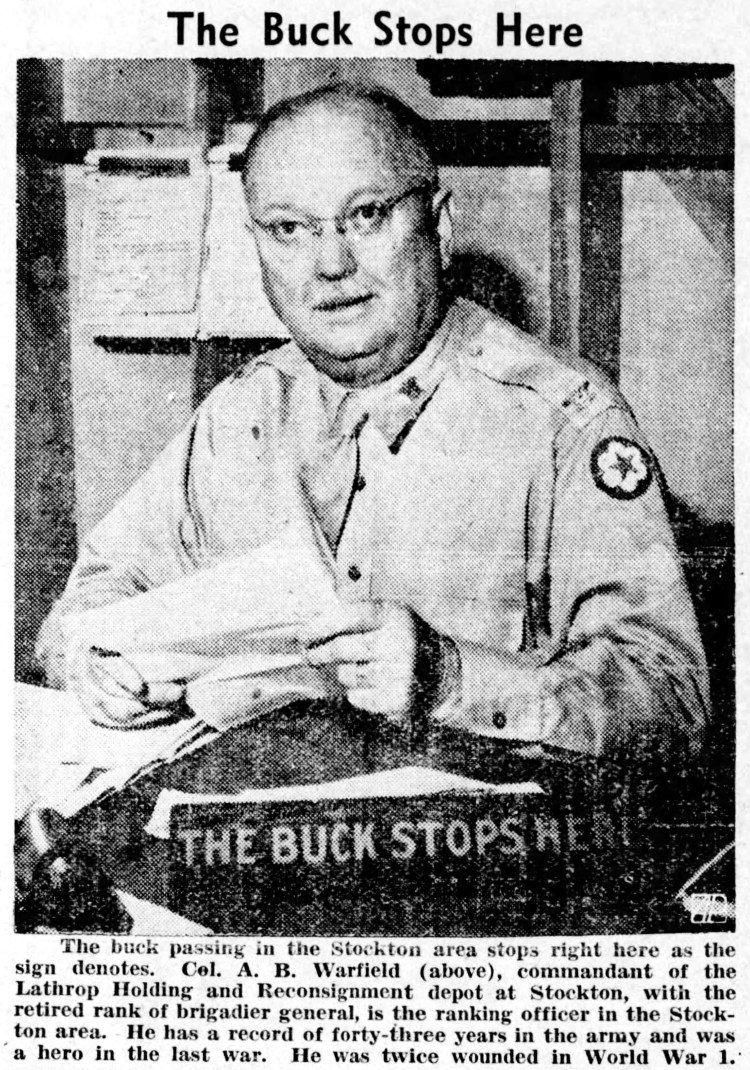
USA, 1929—the final responsibility lies with a particular person—from ‘to pass the buck’—‘buck’: in the game of poker, any object in the jackpot to remind the winner of some obligation when his or her turn comes to deal
Read MoreAustralia, 1976—used by Aborigines to depreciatively designate unemployment or welfare benefits—‘sit-down’ means: performed or obtained while sitting down, with the implication that no or few efforts are required
Read MoreAustralia, 1932: to attract unwelcome attention or criticism—originally, WWI slang: to draw artillery fire from the enemy, in reference to crab shells, used with punning allusion to artillery shells
Read MoreAustralia, 1957, as ‘a hatful of bronzas’—used in similes expressing notions such as ugliness and silliness
Read More
also ‘to throw a wobbler’—New Zealand, 1964—to lose one’s self-control in a fit of nerves, temper, panic, etc.—‘wobbly’, also ‘wobbler’, denotes a fit of temper or panic
Read More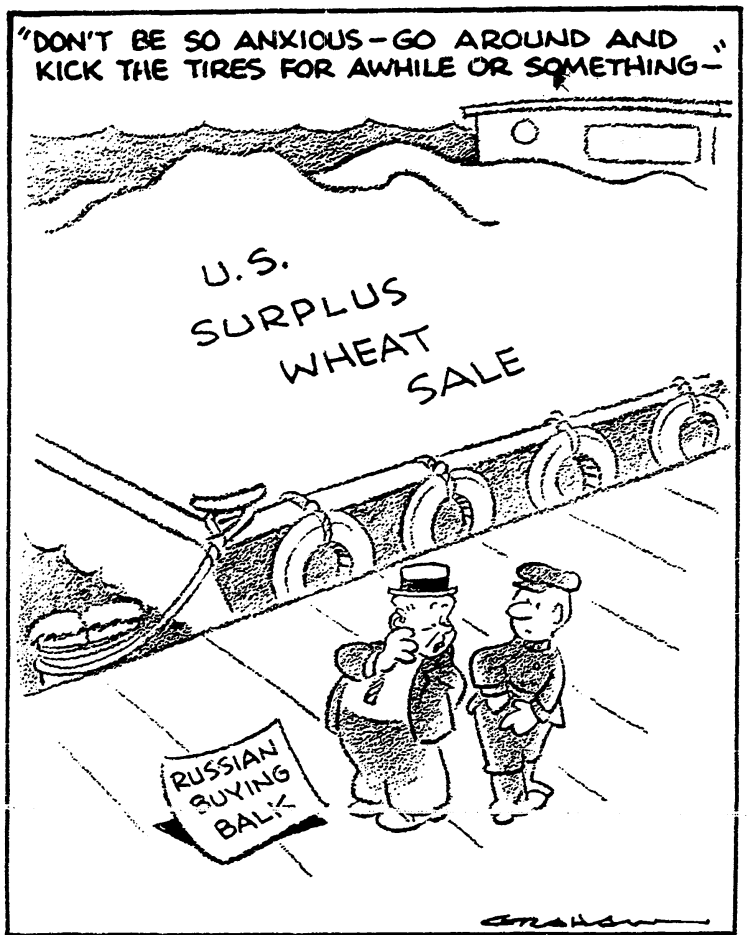
USA, early 1960s—to test, check or research the condition or quality of a product, service, etc., before purchase or use—alludes to the practice consisting for a prospective buyer in kicking the tyres of a motorcar when inspecting it
Read Morecharacterises a person who has an insatiable appetite for something—especially in ‘tiger for work’ (Australia, 1857) and ‘tiger for punishment’ (New Zealand, 1911)
Read More
