‘to make the fur fly’: meaning and origin
to cause trouble or an argument—USA, 1814—based on the image of cats fighting
Read More
“ad fontes!”
to cause trouble or an argument—USA, 1814—based on the image of cats fighting
Read Morea brave Māori female warrior; by extension, any strong or brave woman—New Zealand—in Māori, 1873—in English, 1902—from ‘wahine’ (a Māori woman or wife) and ‘toa’ (a brave Māori male warrior)
Read More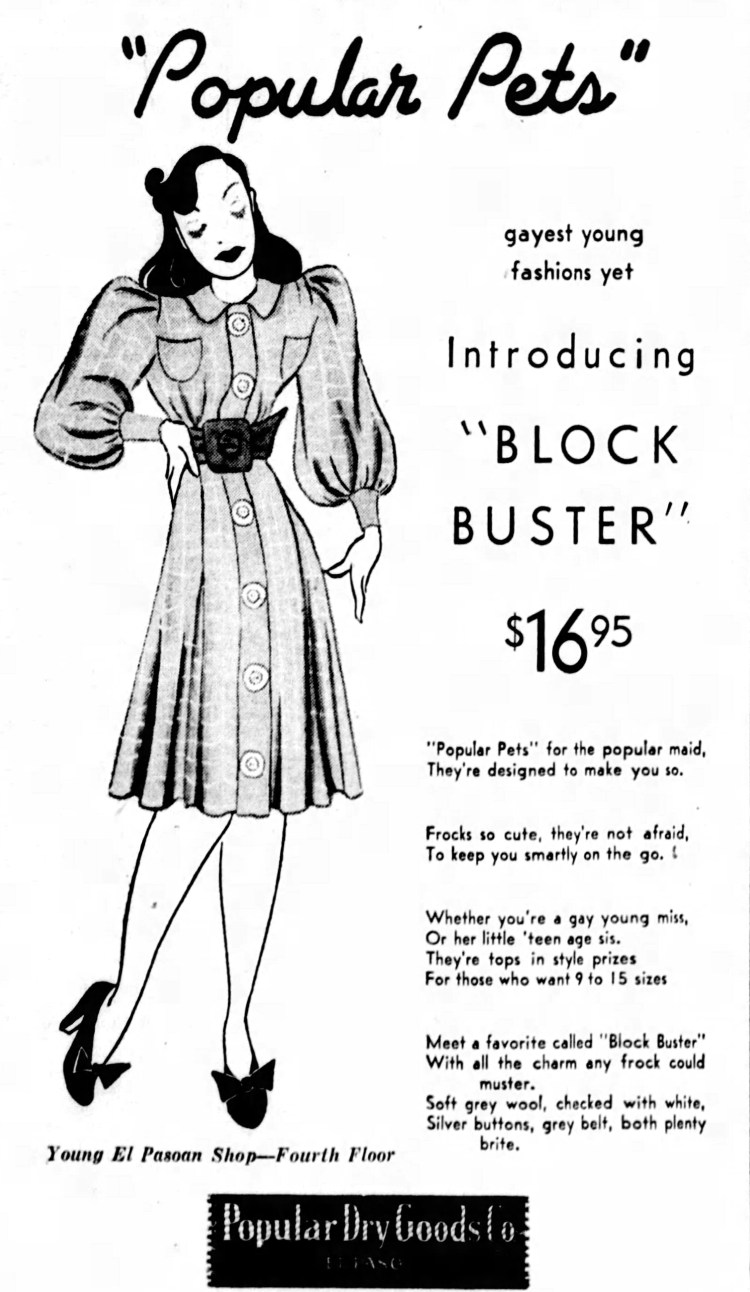
USA, 1942: a large aerial bomb that can destroy a whole block of buildings—USA, 1942: a thing of enormous impact, power or size
Read More‘to snatch victory from the jaws of defeat’: to win a battle, contest, etc., when defeat seemed inevitable—‘to snatch defeat from the jaws of victory’: to be defeated in a battle, contest, etc., when victory seemed inevitable
Read Morea state of depression or despair—1893—a shift in meaning of the British-English expression ‘blue funk’, denoting a state of extreme nervousness or dread (the original meaning in American English)
Read MoreUK slang—expresses exasperation at a situation or course of action—military, 1941—what ‘game of soldiers’ refers to is unclear
Read MoreBritish, colloquial: a period during which an employee who is about to leave a company continues to receive a salary and in return agrees not to work for anyone else—origin, British Army: a paid leave between the end of one posting and the beginning of another
Read Morea gesture (made by a French person to deny responsibility, knowledge or agreement) consisting typically in shrugging one’s shoulders while upturning one’s hands
Read Moreto undertake a dangerous or hazardous operation or activity—UK, 1867, as ‘to tickle the dragon’s nose’—‘to tickle the dragon’s tail’ was used of a nuclear experiment at Los Alamos during WWII
Read Moreliterally (1618): a blanket dampened with water so as to extinguish a fire—figuratively (1775): a person or thing that has a subduing or inhibiting effect
Read More
