‘to throw a wobbly’: meaning and origin

also ‘to throw a wobbler’—New Zealand, 1964—to lose one’s self-control in a fit of nerves, temper, panic, etc.—‘wobbly’, also ‘wobbler’, denotes a fit of temper or panic
Read More
“ad fontes!”
also ‘to throw a wobbler’—New Zealand, 1964—to lose one’s self-control in a fit of nerves, temper, panic, etc.—‘wobbly’, also ‘wobbler’, denotes a fit of temper or panic
Read More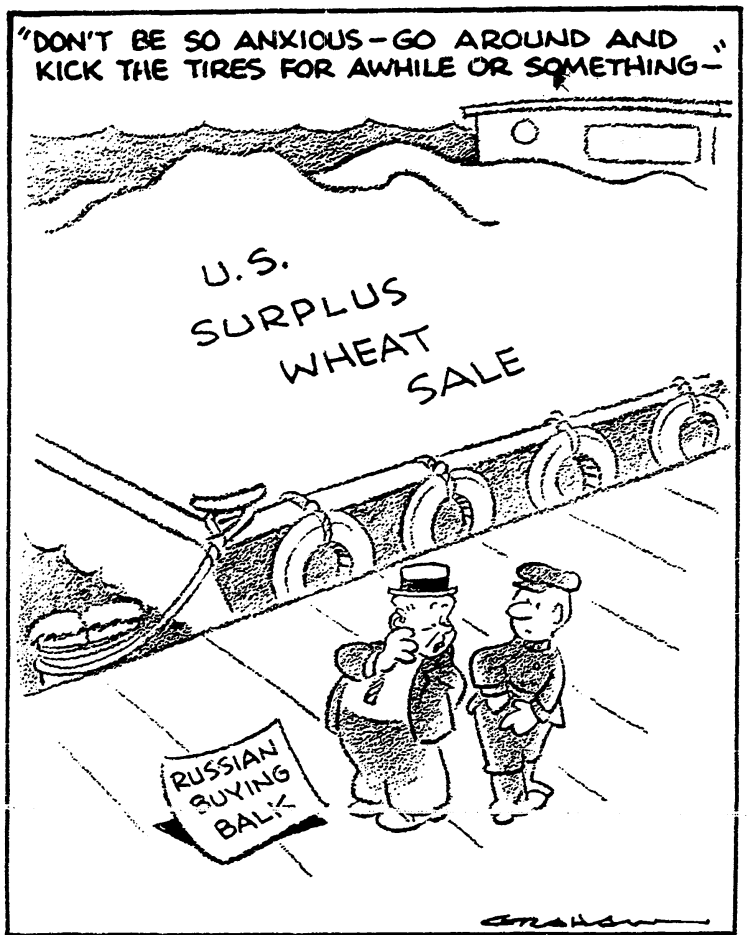
USA, early 1960s—to test, check or research the condition or quality of a product, service, etc., before purchase or use—alludes to the practice consisting for a prospective buyer in kicking the tyres of a motorcar when inspecting it
Read Morecharacterises a person who has an insatiable appetite for something—especially in ‘tiger for work’ (Australia, 1857) and ‘tiger for punishment’ (New Zealand, 1911)
Read Moreto cause trouble or an argument—USA, 1814—based on the image of cats fighting
Read Morea brave Māori female warrior; by extension, any strong or brave woman—New Zealand—in Māori, 1873—in English, 1902—from ‘wahine’ (a Māori woman or wife) and ‘toa’ (a brave Māori male warrior)
Read More
USA, 1942: a large aerial bomb that can destroy a whole block of buildings—USA, 1942: a thing of enormous impact, power or size
Read More‘to snatch victory from the jaws of defeat’: to win a battle, contest, etc., when defeat seemed inevitable—‘to snatch defeat from the jaws of victory’: to be defeated in a battle, contest, etc., when victory seemed inevitable
Read Morea state of depression or despair—1893—a shift in meaning of the British-English expression ‘blue funk’, denoting a state of extreme nervousness or dread (the original meaning in American English)
Read MoreUK slang—expresses exasperation at a situation or course of action—military, 1941—what ‘game of soldiers’ refers to is unclear
Read MoreBritish, colloquial: a period during which an employee who is about to leave a company continues to receive a salary and in return agrees not to work for anyone else—origin, British Army: a paid leave between the end of one posting and the beginning of another
Read More word histories